
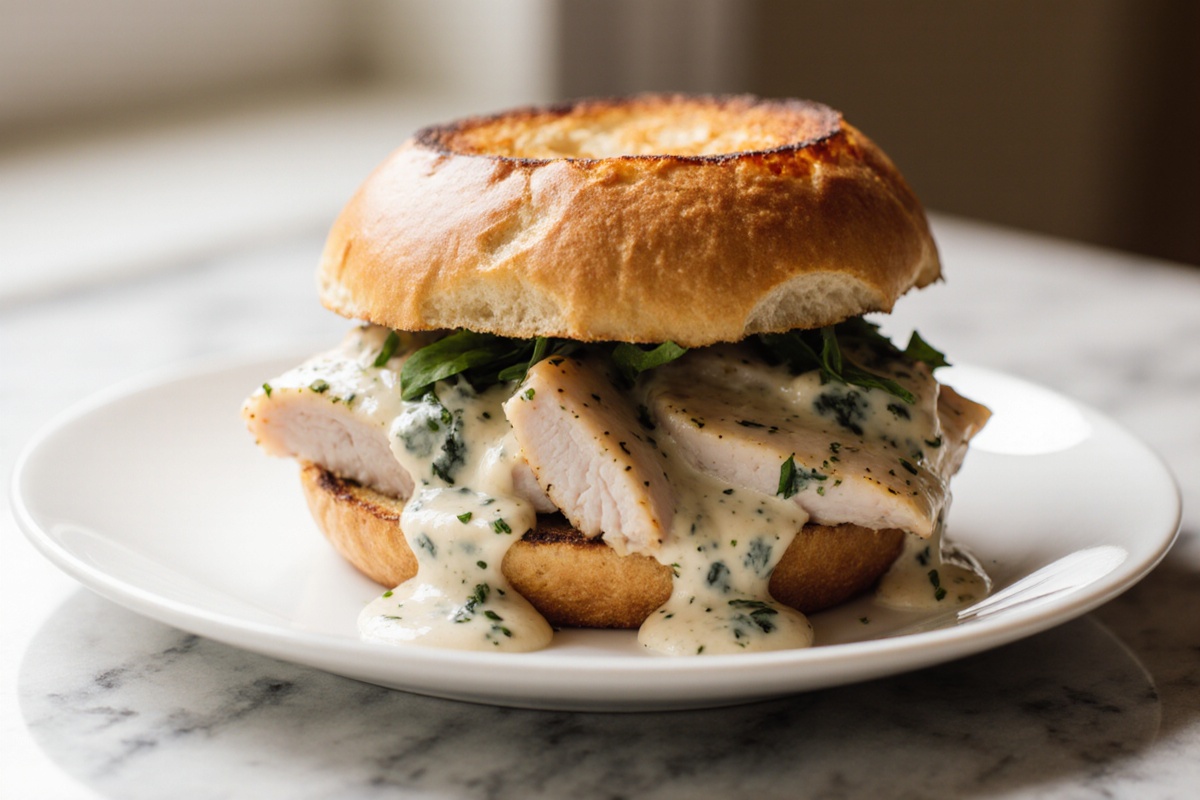
Chicken Garlic Sandwich used to be one of those dishes I’d save for weekends, thinking it was too fussy for a busy weeknight. But after some testing (including a few slightly burnt attempts), I’ve nailed a version that’s quick, full of flavor, and super satisfying. With just a handful of ingredients and simple steps, you can whip this up in no time without sacrificing taste. Once you try this easy recipe, I bet it’ll find its way into your regular dinner rotation too.
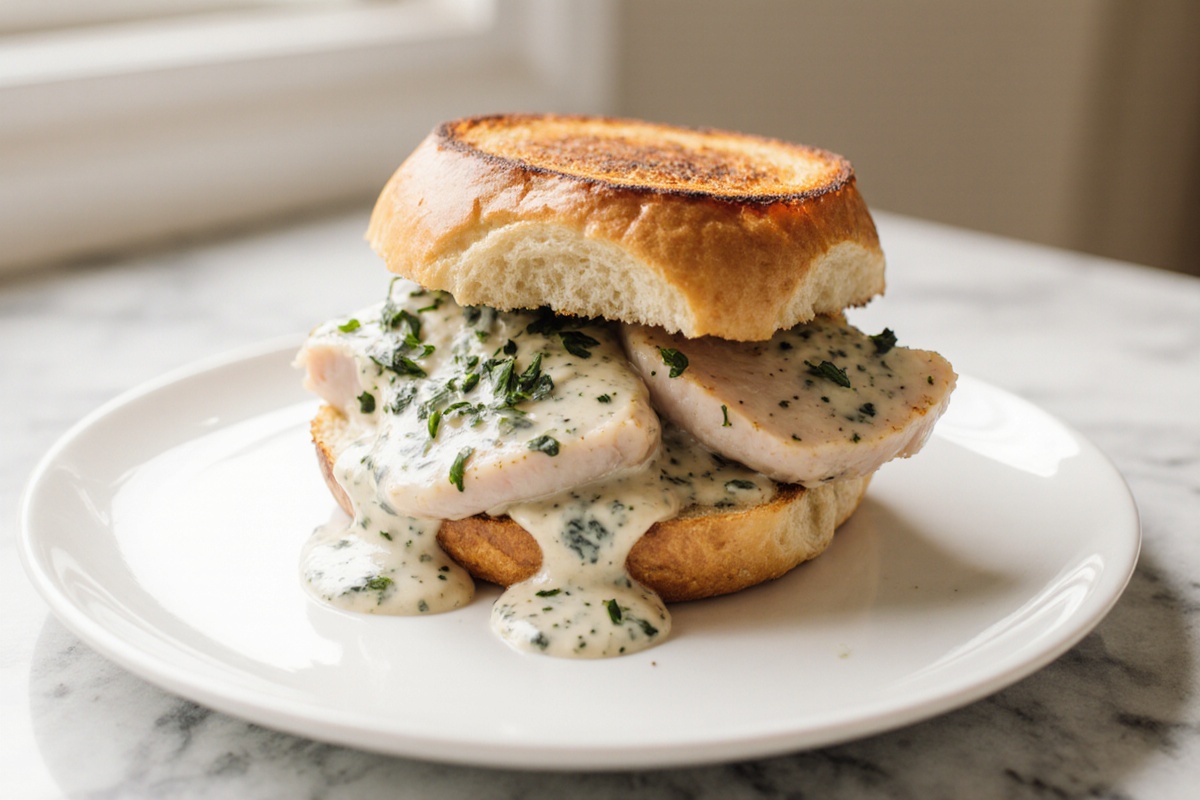
Recipe Card – Chicken Garlic Sandwich
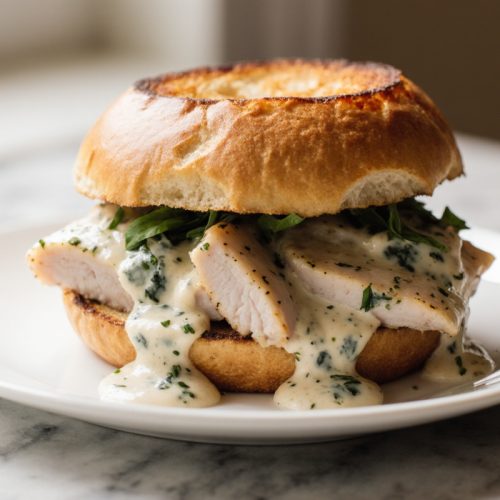
Chicken Garlic Sandwich
Equipment
- Large Skillet
- Whisk
- Mixing Bowl
- Toaster
Ingredients
Ingredients
- 500 g Chicken breast or thighs for extra juiciness
- 3 cloves Garlic minced
- 4 slices Bread strong, crusty rolls or ciabatta
- 60 ml Yogurt or mayonnaise for spread
- 15 ml Lemon juice for flavor balance
- 1 pinch Salt
- 1 pinch Pepper
- 15 g Fresh herbs like parsley or chives for garnish
Instructions
- Start by preparing a garlicky base: finely mince the garlic and whisk it into a light sauce with yogurt or mayonnaise, then add lemon juice and chopped herbs.
- Cook the chicken in a large skillet over medium heat until it reaches an internal temperature of 74°C and is nicely seared on the outside.
- While the chicken rests, toast the bread until it's crisp on the outside and warm inside.
- Slice the chicken into portions, cover with a little sauce, and stack it on the bread with any desired greens or toppings.
- Finish with a drizzle of garlic sauce and enjoy your freshly made Chicken Garlic Sandwich.
Notes
What Makes a Great Chicken Garlic Sandwich
Search Intent and User Expectations
Readers come here looking for a satisfying, flavorful Chicken Garlic Sandwich that’s doable on a busy weeknight. They want juicy chicken, a garlicky kick, and a nice crunch from either toasty bread or a crispy crust. Practicality is key: they appreciate adaptable ingredients, easy swaps, and straightforward steps that don’t require fancy gear. In my kitchen, this means I deliver a recipe that’s reliable, packed with garlic aroma, and flexible enough to use what you have on hand. Trust me, the best sandwiches respect the garlic without overwhelming the chicken, so every bite tastes bright and savory.
Along with flavor, home cooks want reliability. A great sandwich should come together quickly, hold up well in your hands, and allow for substitutions without fuss. Tips that save time and reduce waste—like using leftovers or turning a simple garlic pan sauce into a spread—are appreciated. In this section, you’ll get advice on balancing texture, aroma, and nutrition while keeping the process friendly for cooks of all skill levels. If you want a delicious, weeknight-friendly option, you’re in the right place for a dependable Chicken Garlic Sandwich.
Key Flavor Components and Variations
At the core, a Chicken Garlic Sandwich relies on three main elements: juicy chicken, a bold garlic flavor, and sturdy bread to carry the flavor—usually something with a satisfying crunch. The garlic should add a lovely aroma to the chicken and sauce without taking over. A hint of acidity, like lemon or a pickled topping, keeps everything fresh. For texture, think of a gentle crust on the chicken or a slightly crisp exterior from toasting the bread. Fresh herbs brighten everything up, while a creamy spread or mayo-based sauce adds richness and keeps each bite cohesive.
Variations allow you to customize the sandwich based on your mood or what you have in your fridge. A Southern fried style adds a crunchy cornmeal crust and a hot bite. Mediterranean-inspired versions use garlic yogurt, lemon, and parsley for a refreshing twist. Quick flavor changes—try goat cheese or feta, add pickled peppers for heat, or sprinkle in smoked paprika for warmth—let you keep the base but explore new flavors. The beauty is in preserving that garlic-forward chicken while experimenting with color, texture, and local influences.
Nutritional Profile and Health Benefits
Calorie and Macronutrient Breakdown
A Chicken Garlic Sandwich centers around protein from chicken, carbs from the bread, and fats from any sauces or frying. Leaner chicken cuts keep the fat low, while whole-grain bread boosts fiber and filling power. A lighter sauce, like one based on yogurt or yogurt-lemon, can reduce overall fat without sacrificing flavor. If you’re watching calories, toast the bread for texture instead of deep-frying, and pile on the fresh greens or tomatoes to add volume without too many calories. It’s about finding balance: enough protein to keep you full, carbs for energy, and a bit of healthy fat to round out the flavors.
If you track macros, you can tweak portions to suit your goals. A good rule is a palm-sized portion of chicken, one sandwich roll, and a modest amount of sauce. If you need more protein, boost the chicken by about 20–30 g per sandwich and slightly reduce the bread. If you want more carbs, go for a bigger roll or add a bready side. The key is to enjoy your sandwich while keeping portions in line with your daily targets.
Vitamins, Minerals, and Health Considerations
Chicken provides essential B vitamins, phosphorus, and high-quality protein to support muscle maintenance and keep you feeling satisfied. Garlic offers minerals like manganese and vitamin B6 in smaller amounts, plus sulfur compounds that may help with heart health and immune support. A garlic-rich sauce or spread can add depth of flavor without piling on fat if you choose yogurt-based bases. Whole-grain bread contributes iron and fiber, aiding digestion and providing steady energy release. If you need to cut back on sodium, opt for low-sodium chicken and adjust the salt in the sauce to your liking. For those sensitive to garlic, you can reduce the amount or swap in milder aromatics like shallots or green onions.
When it comes to health, balancing fat sources and cooking methods matters. By pan-searing in a little oil or baking instead of frying, you keep the flavor in check while minimizing fat. Adding leafy greens to the sandwich boosts fiber and nutrients. If you have dietary restrictions, easy swaps are available: try plant-based mayo alternatives or use chickpeas or white beans for a creamy spread that’s still packed with protein.
Healthier Cooking Methods Comparison
Healthier methods include baking, air frying, or pan-searing with minimal oil rather than deep-frying the chicken for that crispy crust. Baking sliced chicken cutlets or pounded breast pieces yields a juicy interior with less oil absorption. Air frying creates a crisp exterior with much less fat than traditional frying. Pan-searing in a hot skillet with just enough oil to sizzle gives you a golden crust quickly; finishing it in a warm oven keeps the inside tender. Each method keeps the flavor while accommodating different kitchen setups and health goals.
If you crave extra crispiness without heavy oil, dust the chicken with a light coating of cornstarch or panko before cooking. This tip helps achieve a satisfying crunch with less grease than frying. Whatever method you go with, let the chicken rest briefly after cooking to reabsorb juices—this keeps the slices moist on the inside and crisp on the outside.
Classic Recipe and Step-by-Step Preparation
Essential Ingredients and Substitutions
Essential ingredients for a tasty Chicken Garlic Sandwich typically include chicken, garlic, bread, a creamy spread or sauce, and spices. You can start with chicken breast for lean protein or thighs for extra juiciness. A yogurt-based spread lightens the dish, while mayo or a light aioli adds richness. Fresh lemon juice, salt, and pepper brighten the flavors, with herbs like parsley or chives providing the finishing touch. If you’re gluten-free, swap in a sturdy gluten-free roll or use lettuce wraps as the vehicle for the fillings.
Substitutions make the recipe accessible. Use chicken thighs instead of breasts if that’s your preference, or try turkey for a similar texture. If you can’t have dairy, replace mayonnaise with mashed avocado or a dairy-free yogurt. For gluten-free bread, pick a sturdy roll or wrap, ensuring it can hold the fillings without becoming soggy. If you find yourself low on garlic, start with 1–2 cloves and adjust to your taste; you can always add more later. The goal is to create a balanced bite that’s both garlicky and juicy.
Detailed Cooking Instructions
Start by preparing a garlicky base: finely mince garlic and whisk it into a light sauce with yogurt, mayonnaise, or a mix, then add a squeeze of lemon and some chopped herbs. Next, cook the chicken until it reaches a safe internal temperature of 165°F (74°C) and is nicely seared on the outside for some color. While the chicken rests, toast the bread until it’s crisp on the outside and warm inside. Slice the chicken into portions, cover with a little sauce, and stack it on the bread with any desired greens, tomatoes, or pickles. Top it off with a final drizzle of garlic sauce and enjoy.
If you want more crunch, you can pat the chicken dry, lightly dust it with cornstarch, and sear it in a hot pan until it’s deep golden. For a stronger garlic flavor, brush the bread with a little garlic butter before toasting. Remember, the best sandwich comes together quickly and confidently, with balanced flavors and a satisfying crunch in every bite.
Common Mistakes and Solutions
A common mistake is overdoing the sauce, which can make the bread soggy. The fix is to apply sauce to the chicken or spread a thin layer on the bread before putting it together. Another pitfall is underseasoning; always taste the sauce and add salt gradually. If the chicken turns out dry, consider brining it briefly or using thighs for juicier meat and don’t overcook—stick to the 165°F mark. A dull garlic flavor may happen when garlic is added too late or in large amounts; heat should release the garlic’s flavor without burning it.
Soggy bread can be avoided by toasting well and letting cooked chicken rest before assembling. If you want to amp up the garlic flavor without the bitterness, sweat the garlic in a little oil over low heat first, then blend it into the sauce. For extra crispness, ensure the bread surface is dry before toasting, and avoid stacking the sandwich too high; a clean, balanced bite should feel crisp and flavorful instead of heavy.
Pro Tips for Maximum Crispiness and Flavor
To get the crispiest chicken and the most flavorful sandwich, pat the chicken dry before cooking and consider a light dusting of cornstarch or breadcrumbs for extra texture. Heat your cooking surface until it’s hot to achieve a golden exterior. Toast the bread until it’s nice and crisp, then let it cool slightly to prevent steam from softening the crust. Finish with a zesty garlic sauce and fresh herbs for a perfect balance of flavors.
Layering is key: place greens first to create a moisture barrier, followed by chicken, then a thin coat of sauce. If you’re making it ahead, keep the parts separate and assemble right before serving. A quick squeeze of lemon on the finished sandwich brightens flavors and cuts through the richness. It pairs wonderfully with a side salad or warm, crusty bread to complete the meal.
Regional and International Variations
Southern Fried Style
In the Southern fried style, chicken is coated with cornmeal or seasoned flour and fried until it’s crispy and golden. Pickles and a tangy, slightly spicy sauce often accompany the sandwich, enhancing the fried texture. This style emphasizes crunch and a bold, comforting flavor profile, making it a favorite when you want a hearty treat. If you’re pressed for time, you can pan-fry a lightly breaded chicken breast instead of deep-frying to get a similar texture with less oil.
To keep things balanced, serve the fried version with a cool, creamy spread to offset the heat and a crisp pickle for contrast. You can adjust the heat with a pinch of cayenne or hot sauce in the sauce. For an easier option, use store-bought fried chicken tenders and finish the sandwich with your favorite garlic mayo. This version offers a nostalgic, satisfying bite perfect for casual gatherings.
Mediterranean and Middle Eastern Versions
Mediterranean and Middle Eastern styles focus on yogurt-based sauces, lemon, garlic, and fresh herbs like parsley or mint. A light, tangy sauce complements the chicken’s flavor and adds brightness. This variation might include spices such as sumac, cumin, or za’atar for a regional flair. Instead of sandwich rolls, pita or flatbread can give you a lighter, more oil-infused experience. Add cucumber, tomato, and pickled onions for a refreshing crunch.
Healthful options include a cucumber-dill salsa or a chickpea-based spread that boosts protein without heaviness. The result is a colorful, garlicky sandwich with a Mediterranean twist that’s perfect for a quick lunch or laid-back dinner. If you’re after bold herbal flavors with a lighter touch, this variation is your go-to.
Quick Flavor Customizations
If you want to mix things up fast, try swapping the herbs in the garlic sauce (e.g., parsley, dill, or cilantro) for different aromas. Add a smoky flavor with paprika or chili flakes or brighten the dish with lemon zest. For a creamier bite, mix in some yogurt or labneh. You can also experiment with different breads—ciabatta, baguette, or a crusty roll—to change the texture and how well it holds everything together.
Other quick variations include swapping chicken for turkey or using plant-based chicken substitutes for a meat-free option. Top it off with avocado slices for creaminess or arugula for a peppery touch. The essential technique remains the same: a crispy, garlicky chicken tucked into warm bread with a balance of freshness and richness.
Video: This Sandwich Is More Tastier Than Cafes | Garlic Chicken …
FAQ – Chicken Garlic Sandwich
Can I use chicken thighs instead?
Yes. Chicken thighs stay juicier and more forgiving if you’re cooking ahead or on a busy schedule. They do have a higher fat content, which can add richness to the sandwich; you may want to adjust the sauce to keep the overall balance. Thighs also respond well to quick searing, then finishing in the oven to ensure even doneness.
How to make it less greasy?
To reduce grease, choose lean chicken and minimize oil during cooking. Air frying or baking the chicken yields a crisp crust with far less oil than deep frying. Use a light spread or yogurt-based sauce rather than a heavy mayo-based one, and pat the cooked chicken dry before assembly.
Can I prepare the garlic sauce ahead?
Yes. A garlic sauce or spread can be made ahead and stored in the refrigerator for up to 2–3 days. Keep it in an airtight container and stir before using to restore texture. If you’re using yogurt-based sauces, a quick whisk in lemon juice helps keep flavors bright.
What’s the best bread for this sandwich?
A sturdy, crusty roll, baguette, or ciabatta works well for a Chicken Garlic Sandwich. The bread should be able to hold the filling without getting soggy while offering a pleasant chew. If you’re avoiding gluten, look for gluten-free rolls designed to hold sauces and fillings without falling apart.
How long can I marinate the chicken?
Marinating can enhance tenderness and flavor, typically ranging from 30 minutes to a few hours depending on the acidity of the marinade. If you’re using a dairy-based or mild marinade, a longer soaking can be beneficial, but avoid over-marinating to prevent texture changes.
Conclusion
In the end, the Chicken Garlic Sandwich stands tall with its crispy, golden outside and juicy, garlicky interior. Just imagine the aroma filling your kitchen as it comes together – it’s mouthwatering! Each bite is a delightful crunch followed by rich flavors that sneak up on you. This isn’t just a sandwich; it’s a home-cooked hug on a plate. So, give this recipe a try – you might be surprised how simple and satisfying it can be on a busy weeknight!