
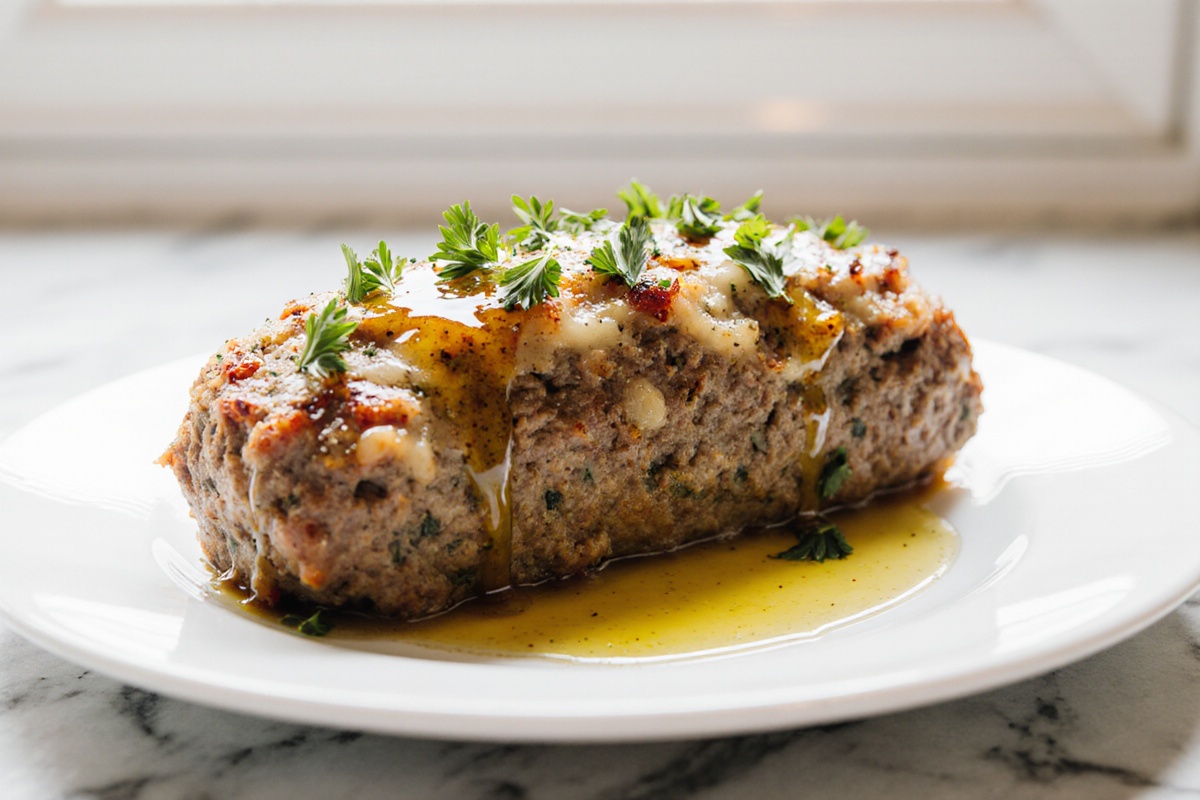
Garlic Parmesan Meatloaf used to be one of those dishes I only made on weekends, because it felt fussy and easy to mess up. After testing different methods, I finally landed on a version that fits right into a busy weeknight. The steps are simple, the ingredients are easy to find, and the result is full of flavor without extra hassle. Once you try this approach, I think it will become a regular part of your dinner rotation too.
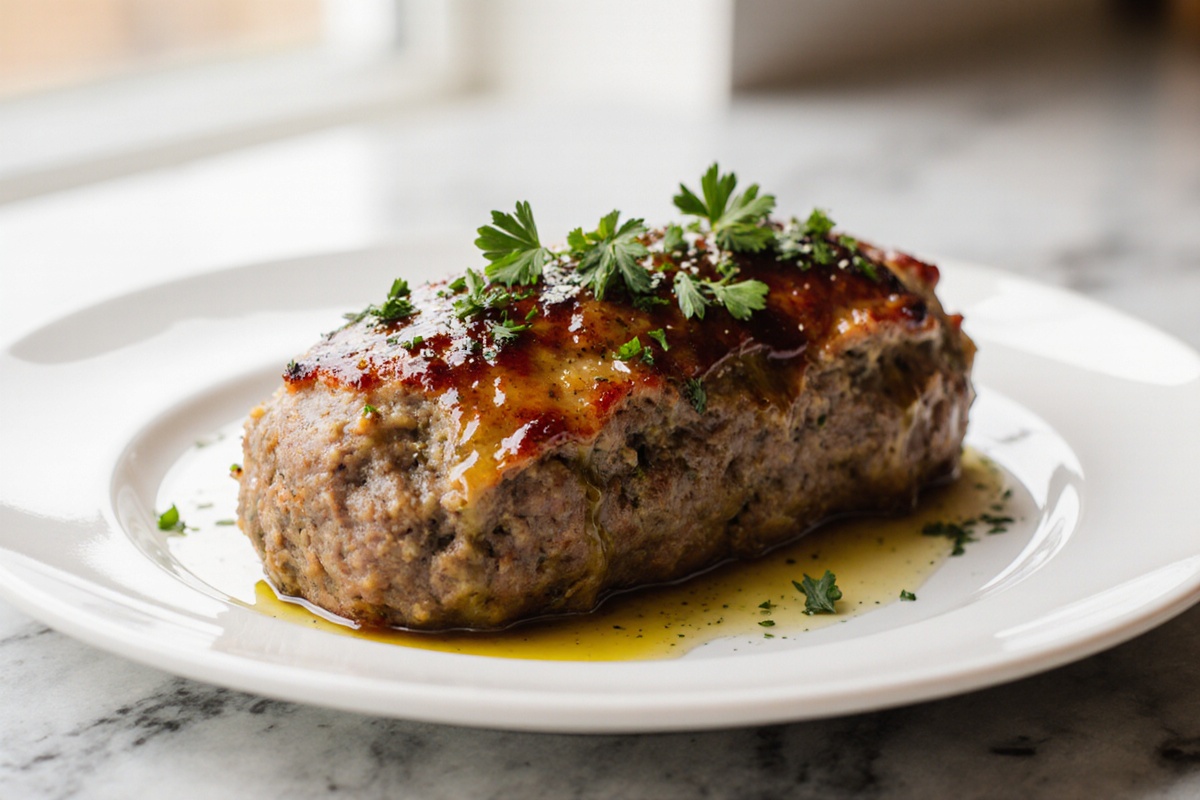
Recipe Card – Garlic Parmesan Meatloaf
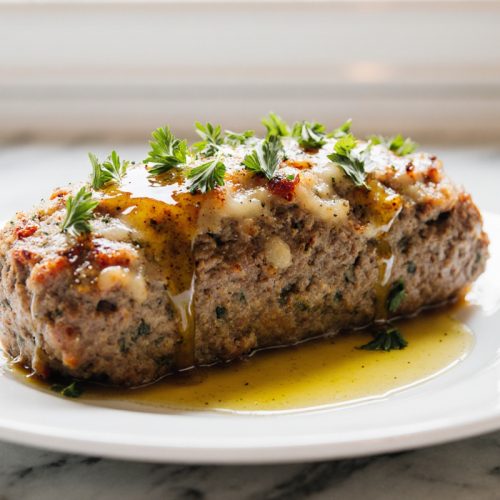
Garlic Parmesan Meatloaf
Equipment
- Large Bowl
- Parchment-lined baking sheet
- Oven
Ingredients
Ingredients
- 680 g Ground beef 80/20
- 60 g Breadcrumbs
- 25 g Grated parmesan
- 2 cloves Garlic, minced
- 1 small Onion, finely chopped
- 1 large Egg
- 60 ml Milk
- 15 g Chopped fresh parsley
- 5 g Salt
- 2.5 g Black pepper
- 15 ml Olive oil for drizzling on top
- 5 g Dried oregano optional
- 15 ml Worcestershire sauce optional
Instructions
- Preheat your oven to 175°C. In a large bowl, mix the classic ingredients just until they’re evenly combined. Shape into a loaf on a parchment-lined baking sheet or loaf pan.
- Brush or drizzle the top with a little olive oil, then bake for 45–60 minutes. Check for an internal temperature of 71°C. Let the loaf rest for 10 minutes before slicing.
- If you want a deeper brown top, pop it under the broiler for 1–2 minutes after baking.
Notes
What Is Garlic Parmesan Meatloaf?
Why This Recipe Is Popular
Garlic parmesan meatloaf is a comforting favorite that combines classic pantry staples with a cheesy, savory twist. It’s easy to make, can feed a crowd, and works great for family dinners or potlucks. The mix of garlic, parmesan, and a tender texture delivers a flavor that appeals to everyone, from kids to adults. Trust me, the aroma alone brings everyone to the kitchen.
What makes it special is its straightforward technique and big flavor. Parmesan adds a nutty depth that keeps the loaf savory without much fuss. This meatloaf comes together with simple ingredients and can be made in the oven or an air fryer without losing its charm. It’s the kind of dish that you can customize while keeping its comforting essence intact.
Flavor Profile and Texture
This Garlic Parmesan Meatloaf offers a juicy interior and a nicely browned crust. The garlic gives the ground meat a warm, pungent aroma that pairs perfectly with the salty, savory parmesan. Breadcrumbs soak up moisture, keeping the loaf tender instead of dry. The result is a slice packed with flavor from edge to center, with a pleasant bite instead of a crumble.
Texture-wise, you get a soft, cohesive crumb with a nice chew from the parmesan and breadcrumbs. The top browns a bit during cooking, adding a slight crisp that contrasts beautifully with the moist inside. If you prefer a more pronounced crust, a quick glaze or a final broil can deepen that finish without drying out the center.
Best Meats to Use
For the juiciest loaf, choose ground beef with some fat, typically 80/20. A mix of beef with a bit of pork or turkey works well too if you’re looking for a lighter option, but just keep the moisture levels in mind. Leaner meats can dry out faster, so you’ll want to add more binder or moisture to make up for it.
In my kitchen, using the right fat content helps the loaf hold together and stay moist while baking. If you’re serving a crowd with different tastes, consider meat blends in the 70/30 to 80/20 range for the best balance. Whatever you pick, seasoning is key, so taste and adjust salt and garlic accordingly before shaping.
Garlic Parmesan Meatloaf Ingredients
Classic Ingredient List
To build a Garlic Parmesan Meatloaf, gather these classic ingredients:
- 1 1/2 lb (680 g) ground beef 80/20
- 1/2 cup (60 g) breadcrumbs
- 1/4 cup (25 g) grated parmesan
- 2 cloves garlic, minced
- 1 small onion, finely chopped
- 1 large egg
- 1/4 cup (60 ml) milk
- 1 tablespoon chopped fresh parsley
- 1 teaspoon salt
- 1/2 teaspoon black pepper
- 1 tablespoon olive oil
Optional additions: 1 teaspoon dried oregano and 1 tablespoon Worcestershire sauce. These ingredients combine to create a fragrant, cohesive loaf. The parmesan and garlic shine, while the breadcrumbs and milk help bind everything into a juicy, sliceable centerpiece. A light drizzle of olive oil on top promotes browning.
If you’re looking for a dairy-free option, you can try a dairy-free parmesan substitute and a plant-based milk, but keep in mind that the texture and flavor will change. For a milder version, cut the garlic in half or swap some beef for ground turkey. The base ratio can remain the same, which keeps the method consistent even with substitutions.
Ingredient Swaps and Variations
To mix things up, try swapping the beef for ground turkey or chicken for a lighter option, always keeping some fat in to maintain moisture. You can also use gluten-free breadcrumbs or finely crushed crackers if you need a gluten-free option. For extra richness, toss in a splash of Worcestershire sauce or a teaspoon of Dijon mustard.
If you want a stronger garlic flavor, increase the minced garlic to 3 cloves or sprinkle in some garlic powder. Fresh parsley brightens the loaf, but dried parsley or chives will work fine if that’s what you have. For a more decadent finish, top with melted cheese in the last few minutes of cooking. These variations let you adjust the recipe to fit your pantry and taste.
Role of Parmesan and Breadcrumbs
Parmesan adds a nutty, savory depth that boosts the meat without overwhelming it. It also contributes to texture, giving the loaf a firmer bite while keeping it moist. Breadcrumbs act as a binder and sponge for moisture, soaking up liquid as the loaf bakes and preventing a dry result. Together, these ingredients create a nice balance between flavor and structure, allowing the garlic to shine while keeping the loaf light.
A good mix keeps the loaf cohesive yet tender. Too much binder can make it gummy, while too little can lead to a loose loaf. So aim to combine the ingredients gently, folding them together until just mixed.
How to Make Garlic Parmesan Meatloaf
Oven Method
Preheat your oven to 350°F (175°C). In a large bowl, mix the classic ingredients just until they’re evenly combined — overworking can toughen the texture. Shape it into a loaf on a parchment-lined baking sheet or in a loaf pan for even thickness. Brush or drizzle the top with a little olive oil to encourage browning, then bake for 45–60 minutes. Check the internal temperature; it should reach 160°F (71°C). If it hasn’t reached that, continue baking in 5-minute increments. Let the loaf rest for 10 minutes before slicing to keep the juices in. Trust me, this resting period is key — skipping it is the fastest route to a crumbly slice.
If you want a deeper brown top, pop it under the broiler for 1–2 minutes after taking it out of the oven. Just keep an eye on it to prevent burning. The goal is to keep moisture while achieving a nice crust. I’ve learned that a little patience goes a long way in getting clean slices.
Air Fryer Method
If you’re short on time, the air fryer is great for a quicker, crispier finish. Preheat your air fryer to 360°F (180°C). Form the meat mixture into a compact loaf or loaf-shaped patty to fit your basket. Cook for 20–25 minutes, flipping once about halfway if your model requires it. Use a meat thermometer to check for an internal temperature of 160°F (71°C). If the top isn’t browned enough, give it a quick extra minute or two, but keep an eye on it to avoid overcooking. Let it rest for 8–10 minutes before slicing. The air fryer creates a faster crust with less overall heat, which is perfect for busy nights.
How to Tell When It’s Done
The best indicator is a reliable internal temperature of 160°F (71°C). Use a digital thermometer and insert it into the center of the loaf, steering clear of the pan or sides. Juices should run clear, and the center should feel firm but not overly dense. If you’re unsure, a brief test at a higher temp (165°F) is fine, but watch out for overcooking to keep the loaf moist. A properly rested loaf will slice smoothly with minimal crumbling.
Tips for the Best Results
How to Keep It Moist
To keep the meatloaf moist, balance the fat content in the meat and add a little dairy to the mix. If your loaf seems dry, you might want to gently increase the milk to 1/3 cup (80 ml) or add another tablespoon of olive oil to the mixture. Also, be careful not to overmix, as that can lead to toughness; mix just until everything is combined. Resting the loaf after baking helps redistribute the juices, leading to a juicier slice.
Consider letting the mixture sit for 5–10 minutes after combining before shaping; this helps the breadcrumbs hydrate and bind, resulting in a more even texture. If you’re adding cheese on top, a final light glaze of olive oil can help keep moisture as it cooks. Believe me, taking a little time here pays off in the final dish.
How to Get a Browned Top
To achieve that beautifully browned top without drying out the inside, brush the loaf with a thin layer of olive oil or a milk glaze in the last 5–10 minutes of baking. If you’re using the oven method, you can switch to the broiler for a minute or two toward the end — just keep a close watch to avoid burning. For an evenly browned crust, rotate the pan halfway through cooking. A browned top gives a tasty contrast to the soft interior and keeps the juices locked in.
Avoid crowding the baking sheet, as it can trap steam and soften the crust. Adequate space and a hot oven are your best friends for a crisp, golden finish. You’ll notice that the edges become firmer and more flavorful as they brown.
Common Mistakes to Avoid
Some common errors include overmixing the meat mixture, leading to a dense texture, and using meat that’s too lean, which can dry out during cooking. Also, don’t skip the rest time; slicing too early releases the juices, leaving the loaf dry. If your loaf turns out pale or undercooked in the center, it probably means the oven wasn’t hot enough or it just needed more time. Lastly, make sure you’re using a cooking method (oven or air fryer) that suits your loaf’s thickness to avoid having a raw center.
A good approach is to monitor the temperature with a probe thermometer and keep the loaf relatively uniform in thickness. This way, you’ll ensure even cooking and prevent the outside from browning too much before the center is done. Small adjustments can make a huge difference for consistent results.
Variations, Side Dishes, and Storage
Flavor Variations
If you’re looking for a twist, try adding sun-dried tomatoes for a sweet tang, switching in Italian herbs like oregano and basil, or mixing in a hint of smoked paprika for warmth. For a stronger garlic flavor, toss in another minced clove or a pinch of garlic powder. Adding mozzarella in the center can create a gooey surprise. These variations keep the dish exciting while sticking to its garlic-parmesan spirit.
For a complete dinner, mix in chopped olives or capers for a briny contrast, or fold in finely chopped bell peppers for some color and sweetness. If you’re cooking for kids, mild herbs and a light cheese topping can be more appealing. The idea is to keep the loaf’s structure while exploring new flavors.
Best Side Dishes
Serve this garlic parmesan meatloaf with roasted vegetables like carrots and Brussels sprouts, or a simple green salad for some brightness. Creamy mashed potatoes or a buttery dinner roll add comforting heft, while a tangy coleslaw provides a nice crunch. A warm, crusty bread loaf is perfect for soaking up those delicious pan juices.
If you prefer lighter options, pair it with steamed green beans or a quick tomato-cucumber salad. A side of sautéed mushrooms with a splash of olive oil complements the parmesan flavors wonderfully. These sides make for a satisfying and well-rounded meal.
How to Store, Freeze, and Reheat
Keep leftover slices in an airtight container in the fridge for up to 3–4 days. To freeze, wrap individual portions tightly and store for up to 2–3 months; thaw overnight in the refrigerator before reheating. Reheat gently at 325°F (165°C) until warmed through — about 10–15 minutes for slices or 20–25 minutes for a whole loaf. For the best texture, use the oven instead of the microwave if you can.
Always refrigerate any meat within two hours of cooking. Slice leftovers while cold to keep moisture in, then reheat evenly. A well-sealed container helps preserve flavors and prevents them from soaking up any fridge odors.
Video: How to Make Garlic Parmesan Chicken Meatloaf #chicken
FAQ – Garlic Parmesan Meatloaf
Best Meat for Meatloaf
Ground beef with some fat (around 80/20) is a reliable standard for juicy meatloaf. You can mix in ground pork or turkey if you want to vary the flavor or reduce fat, but keep a portion of fat to preserve moisture. The trick is balancing fat with a binder and moisture to keep the loaf cohesive without becoming greasy.
Preventing Dry Meatloaf
Avoid overmixing the mixture; this tightens the texture. Use a little dairy or moisture in the mix, such as milk or grated onion, to keep the loaf succulent. Cooking to the correct internal temperature (160°F/71°C) and letting it rest before slicing are crucial steps to prevent dryness. If you notice dryness, you can brush the top with a little oil or glaze during the last minutes of cooking.
Cooking in an Air Fryer
Air frying is convenient for a quicker finish and crisper crust. Ensure the loaf fits and isn’t too thick; you may need to cut the loaf into portions. Cook at 360°F (180°C) for 20–25 minutes, checking internal temperature at 160°F (71°C). Rest briefly before slicing. Air fryers vary, so adjust time accordingly and monitor closely for best results.
Safe Cooking Temperatures
The safe internal temperature for cooked meatloaf is 160°F (71°C). Use a digital thermometer to verify at the center. If the loaf overshoots this, the interior can dry out quickly, so aim for the target and remove from heat promptly. Always wash hands, utensils, and surfaces after handling raw meat.
Freezing Options
Meatloaf freezes well in individual portions or as a whole loaf. Freeze before baking for best texture; wrap tightly and freeze up to 2–3 months. Thaw in the fridge overnight before cooking, or bake from frozen, increasing time by about 50%. Reheat until the center reaches 160°F (71°C). Freezing is a great way to meal prep for busy weeks.
Fresh vs. Powdered Garlic
Fresh garlic provides aromatic brightness and a more nuanced flavor, but powdered garlic is a convenient substitute when you’re low on time. If using powder, reduce the quantity slightly to avoid bitterness, and consider adding a splash of olive oil for moisture. Fresh garlic is generally preferred for depth, but both can work with proper adjustments.
Breadcrumb Alternatives
If you don’t have breadcrumbs, crushed crackers, oats, or finely chopped cooked rice can work as binders. Each substitute offers a different texture, so pick the one you like best. For gluten-free options, use gluten-free breadcrumbs or ground almonds for added moisture and structure.
Conclusion
When you pull that Garlic Parmesan Meatloaf out of the oven, the golden crust and savory aroma will have you ready to dig in. The slices are juicy, tender, and packed with flavor, perfectly balanced with that delightful crunch on top. Trust me, there’s nothing like the feeling of serving a home-cooked meal that genuinely wows everyone at the table. Give it a try – you might be surprised how simple and satisfying this recipe can be on a busy weeknight.