
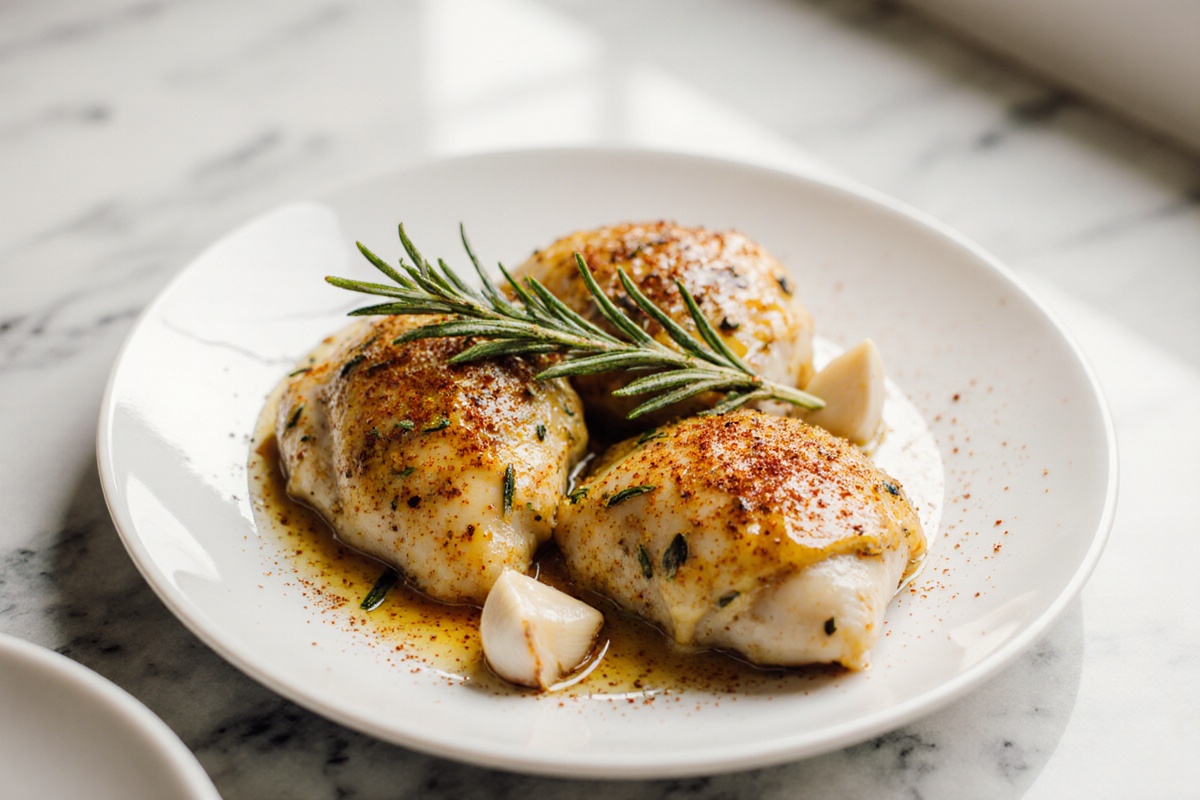
Rosemary Infused Baked Dijon Chicken used to be one of those dishes I only made on weekends, because it felt like a hassle and easy to mess up. But after refining my approach over time, I now have a quick and simple method that fits perfectly into a busy weeknight. The steps are straightforward, the ingredients are pantry staples, and the final result is full of flavor without the fuss. Give it a shot, and I bet it’ll become a new go-to in your weekly rotation.
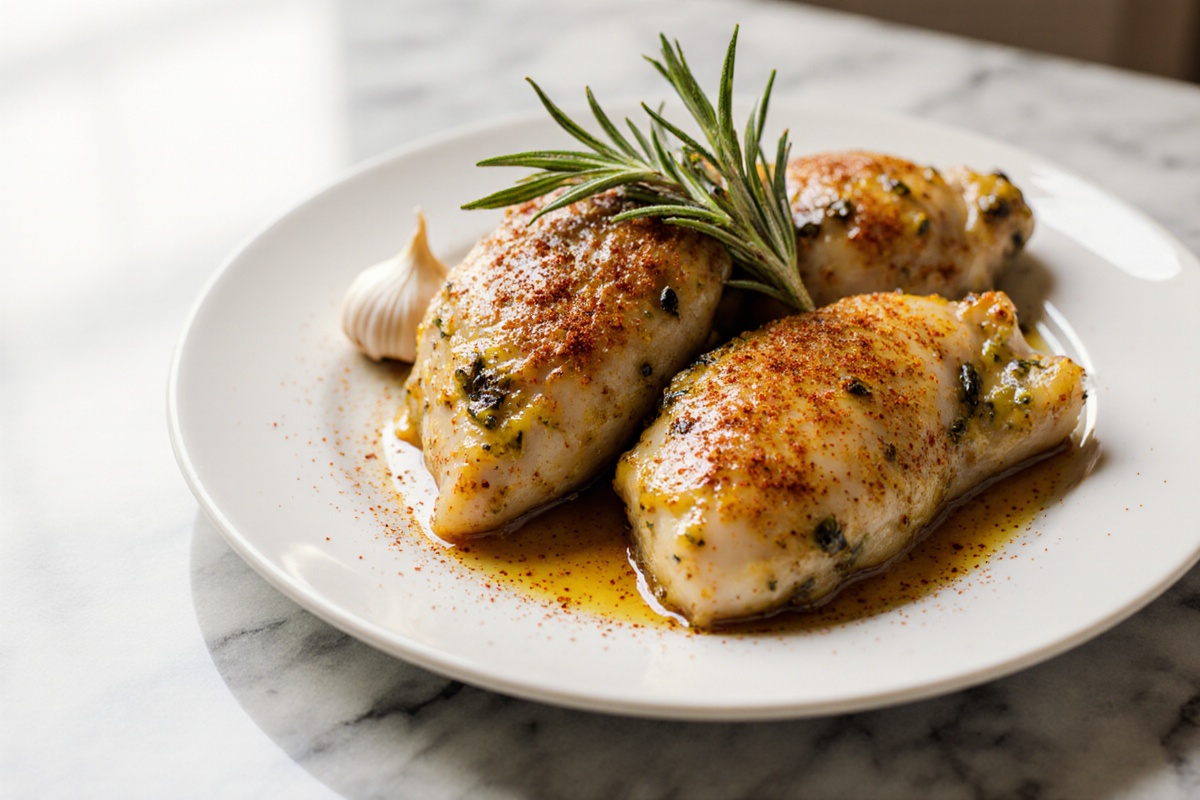
Recipe Card – Rosemary Infused Baked Dijon Chicken
Rosemary Infused Baked Dijon Chicken
Equipment
- Air Fryer
- Mixing Bowl
- Meat Thermometer
Ingredients
Ingredients
- 500 g Boneless, skinless chicken breasts or thighs cut into uniform pieces
- 30 g Dijon mustard
- 10 g Fresh rosemary chopped finely
- 2 clove Garlic minced
- 15 ml Olive oil extra virgin
- 5 g Salt to taste
- 2 g Black pepper to taste
- 10 ml Lemon juice optional
- 5 g Paprika for added warmth
Instructions
- Mix Dijon mustard, chopped rosemary, minced garlic, olive oil, salt, and pepper to make a shiny marinade.
- Coat the chicken pieces thoroughly with the marinade and let them rest for 15-30 minutes to absorb the flavors.
- Preheat your air fryer to 190°C.
- Arrange the coated chicken in a single layer in the air fryer and cook for about 10-12 minutes, flipping halfway through.
- The chicken is ready when its internal temperature reaches 74°C. Let it rest for 1-2 minutes before serving.
Notes
What Is Rosemary Infused Baked Dijon Chicken?
Flavor profile and why it works
This dish combines the fresh, aromatic notes of rosemary with the tangy zing of Dijon mustard for a delightful, comforting flavor. Together, they create a tasty crust that remains tender inside, thanks to the gentle baking and the olive oil that brings out the herbs. From my years in the kitchen, I’ve found that mixing acidity, herb aroma, and a bit of richness is what makes a chicken dish truly satisfying. Trust me, this pairing of Dijon and rosemary results in a classic, inviting taste that the whole family will enjoy.
Best chicken cuts for this recipe
Boneless, skinless chicken breasts are a dependable choice for quick weeknight dinners, but thighs (whether bone-in or boneless) add extra moisture and flavor. If you’re looking for a lighter choice, breasts cook faster and are leaner; if you want juicier results, thighs are the way to go. Whichever you choose, try to keep the pieces uniform in size for even cooking. While skin-on pieces can add flavor and crispiness, you might want to remove the skin before serving if you prefer a leaner option. The right cut depends on whether you prefer a firmer texture or a more forgiving cooking time.
Why Dijon and rosemary pair well
Dijon lends a sharp, tangy note that balances richness and brings out the herbs, while rosemary adds a warm, aromatic quality that pairs beautifully with chicken. The acidity in Dijon helps tenderize the surface, allowing the herb oils and olive oil to create a lovely glaze. Together, they form a simple yet satisfying flavor that feels both classic and contemporary without needing any fancy ingredients. You’ll enjoy a well-balanced, delicious bite every time.
Ingredients and Nutrition
Classic ingredient list
For a timeless recipe, gather chicken breasts or thighs, Dijon mustard, fresh rosemary, garlic, olive oil, salt, and pepper. A squeeze of lemon juice can brighten it up, and a sprinkle of paprika adds a subtle warmth. Be sure to mince the herbs finely to spread their flavor evenly. Keeping portions consistent helps with even cooking and a uniform glaze across all pieces. Fresh herbs truly elevate the dish, so don’t skip them if you have them available.
Popular substitutions and variations
Don’t have fresh rosemary? Dried works too—just use about half the amount and crush it a little to release the flavor. You can replace Dijon with a grainy mustard for a more textured crust, or add a splash of white wine to the marinade for a flavorful boost. For a lighter version, opt for skinless thighs or reduce the oil to a light drizzle. If you’re cooking for kids, mild herbs like thyme can easily stand in for rosemary, and you can dial down the garlic to suit their taste. The core recipe is flexible with some simple swaps.
Nutrition per 100g and per serving
Chicken packs a protein punch, giving you steady energy, while Dijon and olive oil add flavor and healthy fats. Depending on your choice of cut, the fat content will vary; thighs will be a bit richer, while breasts provide lean protein. Herbs like rosemary add little in terms of calories but a lot in flavor and nutrients. Overall, you’re looking at a satisfying, protein-packed dish that balances fats from olive oil with a bright, savory glaze. The exact numbers will change based on portions and cuts, but the profile remains consistently wholesome.
How to Make It in the Air Fryer
Marinade and prep
Mix Dijon mustard, chopped rosemary, minced garlic, olive oil, salt, and pepper to make a shiny marinade. Coat the chicken pieces thoroughly and let them rest for a bit to let the flavors really stick. If you have a little time, a 15–30 minute rest helps the surface soak in the herbs, but you can cook immediately if you’re in a hurry. I’ve learned that drying the surface before air frying leads to crispier edges, so don’t skip that step.
Air fryer time and temperature
Preheat your air fryer to around 375°F (190°C). Arrange the coated chicken in a single layer, giving them enough space for air to circulate. Cook for about 10–12 minutes, flipping halfway through, until the outside is golden and the inside is nearly cooked through. If your pieces are thick, add a few extra minutes, checking for a nice color on the crust. You should end up with a crispy exterior and juicy insides.
How to know when it is done
The chicken is ready when its internal temperature hits 165°F (74°C) at the thickest part. Juices should run clear when you cut into a piece. If you’re unsure, let it rest for 1–2 minutes after air frying—the residual heat will finish cooking it without drying out the meat. A tiny bit of pink near the center isn’t an issue as long as the thermometer shows the right temperature. I always double-check with a quick thermometer reading just to be safe.
Tips, Mistakes, and Expert Fixes
How to get crispier chicken
Dry the surface before marinating, then give the pieces a light spray or drizzle of oil for that extra shine. Be sure not to overcrowd the basket—air needs to flow freely. Flip the pieces halfway through to make sure both sides crisp up evenly. For added crunch, finish with a quick blast under a hot broiler for 1–2 minutes, but keep a close eye on it to avoid burning.
How to avoid dry chicken
Avoid overcooking by using a thermometer and taking it out as soon as the center reaches 165°F (74°C). When you’re worried about dryness, use slightly thicker cuts or thighs, and let the meat rest a few minutes after cooking to reabsorb juices. A light marinade with olive oil helps lock in moisture, and patting dry after marinating helps avoid steaming instead of searing.
Common seasoning and cooking mistakes
Overcrowding the air fryer or skipping the preheating step can lead to soggy texture and uneven browning. Not drying the chicken before seasoning can prevent the glaze from sticking. Too much liquid on the surface can wash away flavors; keep the coating light and even. If the chicken looks pale, a brief extra crisping period can fix that.
Variations and Sides
Regional and international variations
Try a lemon-rosemary vibe with a hint of thyme and a splash of citrus for a bright Italian-inspired twist. In French-inspired versions, replace some Dijon with a milder mustard and finish with a bit of cream at the end. For a Middle Eastern flair, mix in a pinch of sumac and parsley to the glaze and serve with a yogurt-based sauce. Each variation honors the core Dijon-rosemary pairing while adding a cultural touch.
Best side dishes
Roasted veggies like Brussels sprouts, carrots, and potatoes pair wonderfully with this dish. A fresh green salad with a zippy vinaigrette balances it out nicely. For heartier sides, consider rice, quinoa, or crusty bread to soak up any extra glaze. If you’re after a crisp contrast, a light cucumber-tomato salad works great too.
Video: Spiceology Rosemary Dijon Smoked Bone-In Pork Tenderloin …
FAQ – Rosemary Infused Baked Dijon Chicken
Can I use chicken thighs instead of breasts?
Yes—the thighs stay juicier and can be forgiving if you’re unsure about timing.
Can I make this ahead?
The flavors improve with a little resting time, but best results come from cooking close to serving.
How do I store leftovers?
Refrigerate in an airtight container for up to 3 days and reheat gently to preserve moisture.
If I’m new to air frying, any tips?
Start with smaller batches to get a feel for the timing with your model, and don’t overcrowd the basket for the best results.
Conclusion
Once you pull that Rosemary Infused Baked Dijon Chicken from the oven, you’ll be greeted with a golden, crackly exterior that promises a juicy interior. The inviting aroma of rosemary mixed with the tang of Dijon fills your kitchen, making it hard to resist. This dish delivers perfectly cooked chicken, with a satisfying balance of flavors that’s both hearty and bright. Trust me, you can whip this up! So go on, give it a try – you might be surprised how simple and satisfying this recipe can be on a busy weeknight.