
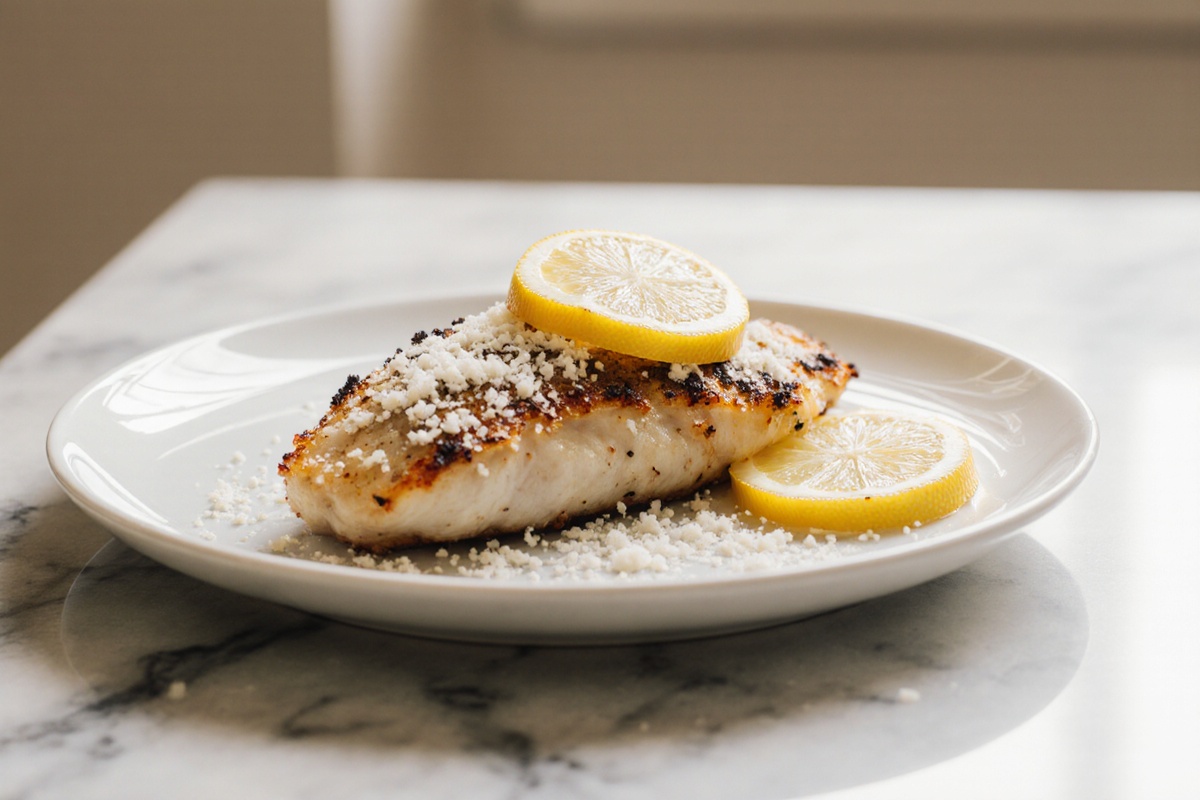
Lemon Chicken Romano used to be one of those dishes I only made on weekends because it felt fussy and easy to mess up. After testing different methods, I finally landed on a version that fits right into a busy weeknight. The steps are simple, the ingredients are easy to find, and the result is full of flavor without extra hassle. Once you try this approach, I think it will become a regular part of your dinner rotation too.
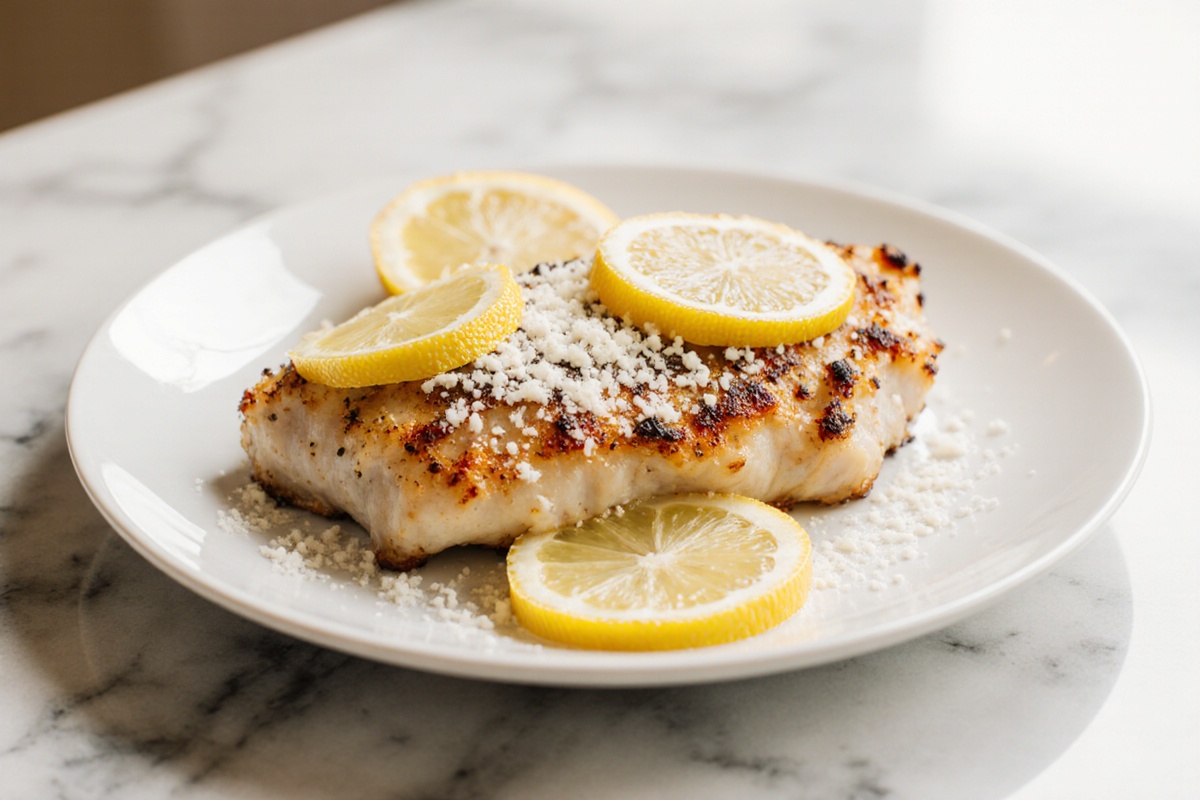
Recipe Card – Lemon Chicken Romano
Lemon Chicken Romano
Equipment
- Large Skillet
- Mixing Bowl
- Baking Sheet
- Air Fryer
Ingredients
Ingredients
- 500 g Chicken breasts pounded to even thickness
- 2 pcs Lemons for juice and zest
- 100 g Romano cheese grated
- 50 g Breadcrumbs or gluten-free option
- 2 pcs Garlic cloves minced
- 30 ml Olive oil for frying
- 1 tsp Salt
- 0.5 tsp Black pepper
Instructions
- Preheat the oven to 220°C or the air fryer to 200°C.
- Set up a dipping station with seasoned flour, beaten eggs, and breadcrumbs.
- Pat the chicken dry, season with salt and pepper, then coat in flour, dip in egg, and finally coat in breadcrumbs.
- Heat olive oil in a large skillet over medium-high heat.
- Cook the breaded chicken for about 4-5 minutes on each side until golden brown.
- Transfer the chicken to a baking sheet and finish in the oven for an additional 10-15 minutes, or ensure the internal temperature reaches 74°C.
- Sprinkle grated Romano cheese over the chicken and let it melt slightly.
- Serve hot with a squeeze of fresh lemon juice.
Notes
What Is Lemon Chicken Romano?
The flavor profile: tangy and cheesy
Lemon Chicken Romano packs a bright, tangy punch from fresh lemon juice and zest, balanced by the sharp, salty flavor of Romano cheese. The tang is gentle and uplifting, especially when mixed with a little butter or olive oil. The cheese adds a creamy layer that makes each bite feel indulgent without being too heavy.
This dish often shines with a light breading that crisps up, keeping that cheesy coating intact. Garlic, parsley, and a pinch of salt complete the aroma, making it just as inviting to smell as it is to taste. Trust me, this step makes all the difference: when the lemon and cheese meet a crispy crust, you get a satisfying contrast that keeps everyone coming back for more.
As the name suggests, Lemon Chicken Romano combines citrus with Italian cheese, creating a classic pairing that’s both comforting and lively. It’s a flexible flavor combination that goes well with simple sides and a fresh finish. If you love bright flavors with cheesy goodness, this dish is your go-to for a weeknight family favorite.
Origin of the dish
Lemon Chicken Romano draws from Italian influences, particularly the use of Romano cheese and citrus to brighten a comforting chicken dish. While we don’t pin down its exact historical origin, the combination feels Mediterranean and is widely embraced in homes that enjoy flavorful, cheese-forward sauces. It’s a modern American-Italian favorite that leans into pantry staples.
The result is a family-friendly meal that tastes like it came from a cozy home kitchen, not a fancy restaurant. The lemon cuts through richness, while Romano adds a savory note that pairs beautifully with simple starches and greens. This dish is designed for easy adaptation, making it a reliable staple for busy cooks looking for a homey meal with bold flavors.
If you’re cooking Lemon Chicken Romano for the first time, you’ll notice familiar influences—citrus, cheese, and a savory crust—that feel both recognizable and refreshing. It stands out because it’s approachable, uses common ingredients, and still offers a satisfying finish that could easily come from a restaurant. It’s the kind of recipe that deserves a spot in your weekly rotation.
Top choice for family dinners
Family dinners thrive on dishes that feel special while not requiring hours in the kitchen. Lemon Chicken Romano checks that box with a straightforward breading method and quick oven or air fryer options, so you can serve crispy chicken in no time. The lemon and cheese combination feels familiar and comforting, while the brightness keeps the meal from becoming too heavy.
This dish is also easy to scale for larger gatherings, making it perfect for busy weeknights or weekend get-togethers. You can pair it with a simple green salad, roasted vegetables, or mashed potatoes to create a complete, balanced plate. Because the flavors appeal to a wide range of palates, it’s a natural choice for picky eaters and grown-ups alike.
If you’re searching for a crowd-pleasing main that’s light on effort but big on flavor, Lemon Chicken Romano is a winner. It’s a dependable favorite that makes everyone feel cared for—like you spent hours preparing, even when you didn’t.
Nutrition & Health Benefits
Calories, protein, and fat per serving
The exact calories, protein, and fat per serving for Lemon Chicken Romano depend on portion size and the specific breading and cheese you use. Generally, lean chicken breast provides high-quality protein with modest fat, while Romano cheese contributes calcium and a savory fat content. The breading may add some carbohydrates, and the lemon juice helps keep calories in check.
If you’re keeping an eye on macros, you can tailor this dish by choosing lean cuts of chicken and a lighter coating. For a lower-fat version, consider baking without a heavy cheese layer or using a lighter breading. Keep in mind that portion control and the sides you pair with it can significantly affect the overall nutritional profile of your meal.
Nutrition is part of the picture, not the whole story. Enjoying a flavorful main like Lemon Chicken Romano can fit into balanced eating, especially when served alongside vegetables and in mindful portions. Pair it with greens and a modest starch to keep your plate feeling bright and satisfying.
Key vitamins and minerals
Lemon Chicken Romano brings a range of vitamins and minerals to the table. The lemon offers vitamin C, which supports immune health and helps absorb iron in meals that include greens. Romano cheese contributes calcium and phosphorus, which are important for bone health and metabolic function. Garlic and herbs add trace minerals and beneficial compounds that can support overall wellness.
Protein from the chicken provides essential amino acids necessary for muscle repair and growth. Depending on the ingredients you use, you’ll also enjoy small amounts of potassium, magnesium, and B vitamins. Together, these nutrients create a tasty dish that doesn’t skimp on nourishment.
To sum it up, this dish isn’t just delicious—it also offers a modest array of vitamins and minerals that complement a balanced diet. Keeping the lemon’s brightness and the cheese’s richness in balance helps maximize both flavor and nutritional value without going overboard.
Low-carb and gluten-free options
You can adapt Lemon Chicken Romano to be lower in carbs and gluten-free with a few simple changes. Skip traditional breading or use a gluten-free breading mix like almond flour or gluten-free breadcrumbs. If you’re aiming for very low carbs, you can pan-sear the chicken and skip the breading entirely, finishing with the lemon-cheese sauce to add flavor.
For gluten-free cooks, ensure any seasoning blends and coatings are certified gluten-free, especially if you’re using store-bought breading. The dish itself doesn’t rely on gluten in the meat, so it’s easy to keep it compliant with gluten-free diets. Serve with gluten-free sides, like a green salad or roasted vegetables, to round out the meal.
If you’re watching your carbs, the lemon and cheese components remain relatively light, so most of the carbs will come from the coating. Adjust the coating to fit your dietary needs, and you’ll keep this comforting favorite friendly to various diets.
Step-by-Step Preparation
Ingredient list and prep tips
For Lemon Chicken Romano, you’ll need chicken breasts, lemons (for juice and zest), Romano cheese, and a light coating like breadcrumbs or a gluten-free option. Have garlic, olive oil, salt, and pepper ready, plus optional herbs for extra aroma. Some prep tips include pounding the chicken to an even thickness for uniform cooking and zesting the lemon before juicing to preserve its aroma.
Set up your dipping station with flour or a gluten-free substitute, whisked eggs, and the breading ready to go. Pat the chicken dry to help the coating stick, and season both sides before breading. A light chill after breading can help the crust cling during cooking, especially if you’re pan-frying.
Adding lemon zest at the right moment can lift the dish. If you’re using garlic, mince it finely so it spreads evenly. A squeeze of lemon just before serving brightens everything up and keeps the flavors lively.
Breading technique and coating
A classic approach involves dredging the chicken in seasoned flour, dipping it in beaten eggs, and then coating it with breadcrumbs. Gently press the coating to ensure it sticks, and avoid overcrowding the pan or air fryer basket to keep everything crispy. If you’re using cheese, let a thin layer stick to the crust to prevent it from sliding off during cooking.
To enhance crust integrity, chill the coated chicken briefly before cooking. This helps the coating set and reduces the chance of losing cheese or crumbs in the pan. If the cheese starts to come off during cooking, finish in the oven to help set the crust and melt the cheese evenly.
If you’re not using traditional breading, go for a lighter method: a dusting of seasoned flour, a quick egg wash, and a sprinkle of parmesan-style cheese that binds quickly. The goal is a warm, crisp shell that holds in the tender interior and cheese.
Cooking times for air fryer vs. oven
Cooking Lemon Chicken Romano in an air fryer typically runs hotter and faster. Preheat the air fryer to about 200°C (400°F) and cook for around 8–10 minutes, flipping halfway for even browning. If you’re baking, preheat the oven to about 220°C (425°F) and bake for roughly 15–20 minutes, turning once to promote a uniform crust.
Always check for a crispy exterior and an internal temperature of 74°C (165°F). If the pieces aren’t done, give them a few more minutes, checking every 2–3 minutes to prevent over-browning. The air fryer method is fantastic for quick weeknights, while the oven gives you a more traditional crust.
Adjust times based on the chicken’s thickness and the exact coating. Thicker cutlets may need a few extra minutes. The goal is a hot, juicy center with a crisp, cheese-topped crust that’s perfectly golden.
Tips for Crispiness & Flavor
Preventing cheese from sliding off
To stop cheese from sliding off, apply a thin, even crust that adheres well to the chicken. Chill the breaded pieces briefly before cooking, then ensure you cook them at a steady, high heat to seal the coating quickly. If cheese starts to slide, you can sprinkle a bit of Romano on top during the last few minutes of cooking to help it stick.
Gently press the cheese into the breading before cooking so it becomes part of the crust rather than a loose layer. If you’re finishing in the oven, a brief pass under the broiler can crisp the top and help set the cheese without overcooking the meat.
Another trick is to sprinkle a little cheese on top just before serving. The residual heat will melt it into a shiny finish that doesn’t come off. A hot pan and good coating adhesion are your best friends here.
Best oils for frying
Choose oils with a high smoke point for the best results. Good options include canola, peanut, or avocado oil for frying. If you want a more neutral flavor, canola or light olive oil works nicely. For pan-searing, you can start with olive oil and finish with a touch of butter to enrich the crust, but keep an eye on the butter’s smoke point.
Avoid strongly flavored oils that could compete with the lemon and cheese. A clean-tasting oil allows the citrus brightness and cheesy crust to shine. A quick brush of oil on the baking sheet or a sprayed coating in the air fryer basket can help crisp up the exterior.
When to add lemon zest and garlic
Add lemon zest at the end of cooking or just after the chicken comes off the heat to preserve that bright aroma. Garlic should be added early enough to mellow without burning; minced garlic can go into the coating or the finishing sauce. If you’re concerned about burning garlic, add a little olive oil and garlic after a minute of cooking to release the aroma.
For a maximum lemon burst, finish with a light squeeze of fresh lemon juice right before serving. This lifts the dish’s brightness and contrasts nicely with the cheesy crust. Adding fresh herbs at the end keeps the dish lively and fragrant.
Variations & Perfect Side Dishes
Mediterranean, BBQ, and Asian twists
For a Mediterranean twist, add olives, oregano, and a drizzle of olive oil after cooking. A BBQ variation can incorporate smoked paprika and a light barbecue glaze for a tangy-sweet finish while preserving the lemony crust. An Asian-inspired version can swap in sesame oil, a dash of soy or tamari, and a sprinkle of green onions for freshness.
These variations let you experiment while keeping the core of the dish intact: lemon, cheese, and crispy coating. Start with small tweaks and taste as you go to maintain balance. Each twist offers a new personality while staying true to the dish’s comforting roots.
Popular side dishes to serve
Classic companions include a crisp green salad with a light vinaigrette, roasted or steamed vegetables, and a simple starch like mashed potatoes or rice. For a brighter plate, serve with lemon wedges and a parsley garnish. Fresh, crusty bread or warm garlic bread sets up a crowd-pleasing meal that echoes the dish’s Italian-inspired spirit.
If you prefer something lighter, go with a steamed vegetable medley or a quinoa pilaf. The goal is to provide a balance of colors, textures, and flavors so that the lemon and cheese can shine without competing with heavy sides.
Ideas for parties or weeknights
For parties, prepare the coated chicken in advance and store it on a sheet pan ready to bake. Keep a warm oven at a low temperature to hold finished pieces. You can also offer dipping sauces like a lemon-garlic aioli for guests to customize their bites.
On busy weeknights, use a sheet-pan method: lay out all the breaded pieces, bake, and finish with a quick lemon-zest garnish. This method keeps prep simple and gives you a professional finish with minimal hands-on time. Pair with a quick salad for speed and balance.
Video: Lemon Chicken Romano Simple Recipe
FAQ – Lemon Chicken Romano
What can I do if the dish turns out too dry?
Next time, add a bit more fat (oil, butter, or sauce) or reduce the cooking time by a couple of minutes. You can also check halfway through and adjust heat or moisture if it looks like it is drying out.
How do I prevent the cheese from sliding off?
To keep cheese from sliding off, apply a thin, even crust that adheres well to the chicken. Chill the breaded pieces briefly before cooking, and cook at a steady, high heat to seal the coating quickly.
Can I make Lemon Chicken Romano gluten-free?
Absolutely! Use gluten-free breadcrumbs or a light almond flour coating instead. Just ensure any seasoning blends are certified gluten-free to keep it safe for those with gluten sensitivities.
Conclusion
When you pull Lemon Chicken Romano out of the oven, it’s golden, crispy, and heavenly smelling. The contrast of crunchy cheese atop juicy chicken creates a delightful bite that’s both comforting and vibrant. It’s not just a meal; it’s an experience that fills the kitchen with a warm, inviting scent. Trust me, you can do this. Give it a try – you might be surprised how simple and satisfying this recipe can be on a busy weeknight.