
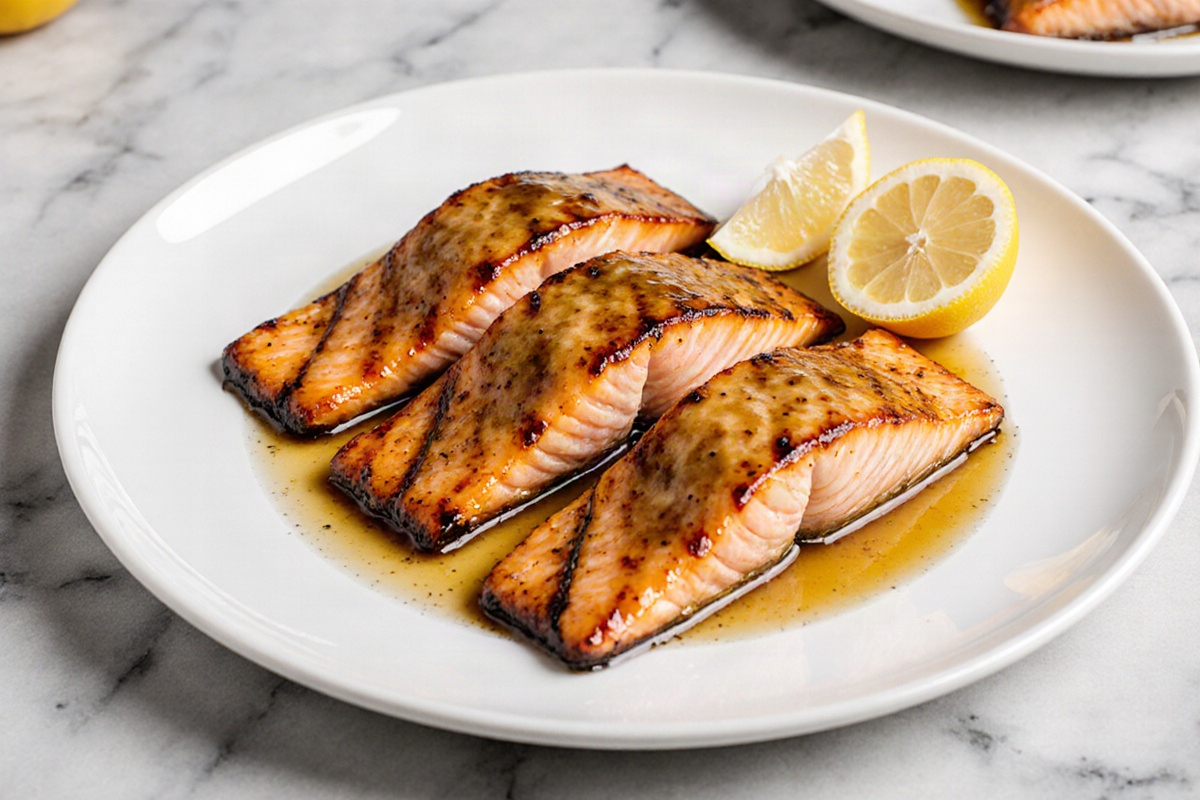
Maple Dijon Salmon used to be one of those dishes I only made on weekends, because it felt a bit fussy and easy to mess up. After testing different methods, I finally landed on a version that’s perfect for a busy weeknight. The steps are straightforward, the ingredients are simple, and the result is a delicious dish that’s packed with flavor without any extra hassle. Trust me, once you try this method, you’ll find it fits right into your dinner routine.
Recipe Card – Maple Dijon Salmon
Understanding Maple Dijon Salmon
Equipment
- Air Fryer
Ingredients
Ingredients
- 4 fillets Salmon skin-on if you like
- 30 ml Maple syrup about 2 tablespoons
- 30 ml Dijon mustard about 2 tablespoons
- 5 ml Olive oil about 1 teaspoon
- 1 clove Garlic minced or 1/2 teaspoon garlic powder
- Salt to taste
- Pepper to taste
- Lemon wedges optional for serving
Instructions
- Whisk together the maple syrup and Dijon mustard with a pinch of salt until smooth to make the glaze.
- Pat the salmon dry with a paper towel, then brush a light coat of glaze over all sides. Let it sit for about 10–15 minutes to help the flavors stick.
- Preheat the air fryer to 200°C. Arrange the salmon fillets in a single layer, skin-side down if using skin-on, and cook for 7–9 minutes, depending on thickness, until the internal temperature reaches about 52–55°C.
- Remove the salmon and let it rest for 3–4 minutes; brush with more glaze if desired and serve.
Notes
“`html
Understanding Maple Dijon Salmon
Flavor profile
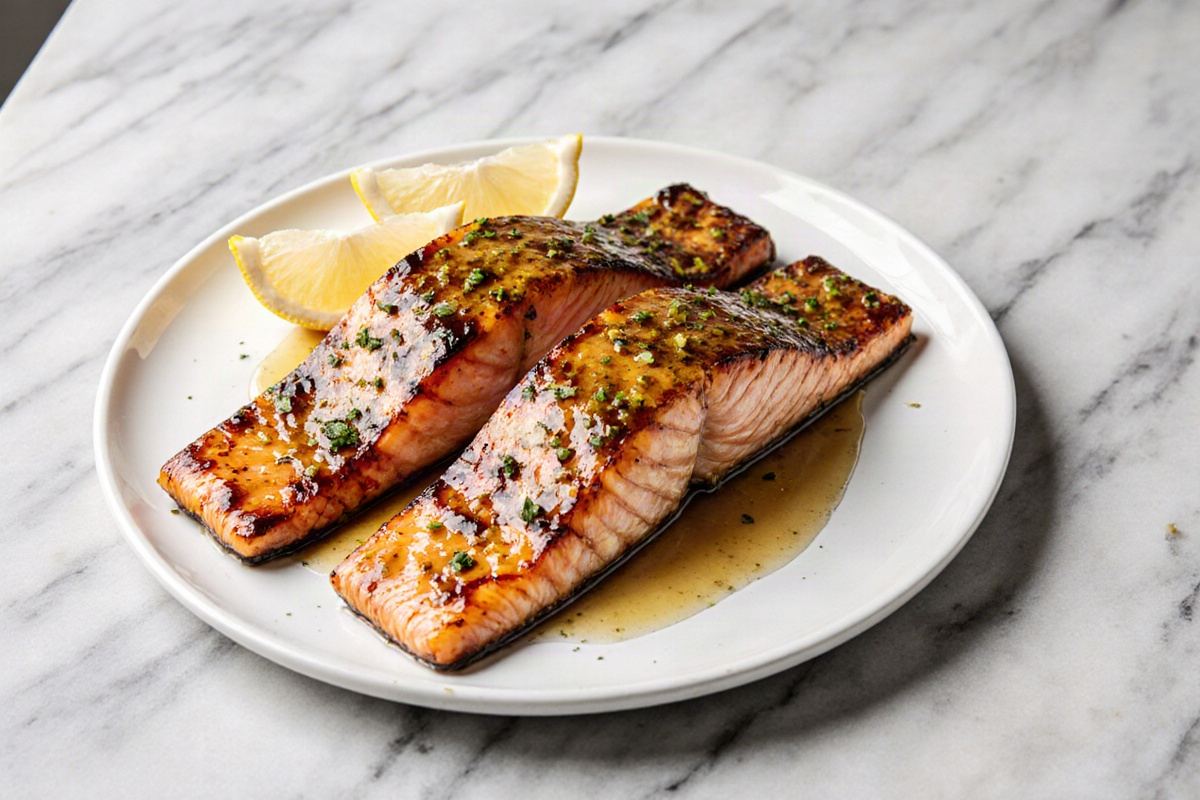
Maple Dijon Salmon combines the gentle sweetness of maple with the punch of Dijon mustard, creating a tasty glaze that caramelizes in the air fryer’s high heat. The salmon’s natural richness pairs beautifully with that tangy-sweet coating, giving it a glossy, flavorful finish with crisp edges. I’ve made my fair share of these, and I promise the combination never disappoints when you achieve that nice, bubbly, lacquered look.
Why this recipe works
This recipe really shines in the air fryer, where the quick, even heat makes the fish moist with a crispy skin and that lovely glaze. The glaze sticks to the salmon, providing a concentrated burst of flavor. A quick marinate helps the sauce soak in without making the fish soggy. Trust me, this step makes a big difference: giving it a light pat-dry before cooking helps the surface caramelize instead of steaming.
Ingredients and Nutrition
Classic ingredient list
Here’s what you need to make about four 6-ounce portions:
- 4 salmon fillets (skin-on if you like)
- 2 tablespoons maple syrup
- 2 tablespoons Dijon mustard
- 1 teaspoon olive oil
- 1 clove garlic (minced) or 1/2 teaspoon garlic powder
- Salt and pepper to taste
- Optional lemon wedges for serving
This simple lineup keeps the flavors bright and lets the glaze shine.
Nutrition per serving
Nutrition can vary a bit, but a typical 6-ounce salmon portion offers a solid dose of protein and healthy fats. You can expect around 250–320 calories per serving, with about 25–30 g of protein and a moderate amount of fats from the salmon. The carbs mainly come from the maple syrup in the glaze. Sodium will depend on how much salt you use and the Dijon; adjust it to your taste.
Health benefits
Salmon is a fantastic source of omega-3 fatty acids (EPA and DHA), which are great for heart health and brain function. The Dijon mustard adds flavor with minimal calories, while maple syrup gives a nice sweetness that’s easy to measure. This recipe focuses on lean protein and a modest glaze, making it a satisfying and heart-healthy option when enjoyed as part of a balanced meal.
How to Make Maple Dijon Salmon in the Air Fryer
Make the glaze
Whisk together 2 tablespoons maple syrup and 2 tablespoons Dijon mustard with a pinch of salt until smooth. If you prefer a bit more zing, add a tiny splash of cider or white wine vinegar, but keep it light so the glaze doesn’t overpower the fish. This glaze should be glossy and easy to brush on; it’s the star of the dish.
Marinate the salmon
Pat the salmon dry with a paper towel, then brush a light coat of glaze over all sides. Let it sit for about 10–15 minutes to help the flavors stick. If you’re short on time, you can skip the resting and go straight to air frying, but that quick rest really helps the glaze stick and caramelize better.
Air fry and finish
Preheat the air fryer to 400°F. Arrange the salmon fillets in a single layer, skin-side down if you’re using skin-on, and cook for 7–9 minutes, depending on thickness. The internal temperature should reach about 125–130°F for medium. Remove the salmon and let it rest for 3–4 minutes; you can brush it with a bit more glaze if you like, then serve. You should have a glossy finish with nicely caramelized edges.
Tips, Mistakes, and Troubleshooting
How to keep salmon moist
To lock in moisture, avoid overcooking it (fish dries out quickly). Start with skin-on fillets, pat them dry to help with crisping, and consider a light layer of glaze to keep the juices sealed. If the fish looks pale, give it a minute longer, but check the temperature early to avoid drying out. Letting it rest briefly after cooking helps keep the moisture in.
How to get better caramelization
Caramelization comes from having a dry surface and a hot fryer. Preheat the air fryer to 400°F, pat the salmon dry, and avoid over-application of sauce—brush on a thin, even layer. If you want extra color, apply a final light coat of glaze about a minute before it’s done and keep an eye on it to prevent burning.
What to do if the glaze burns
If the glaze starts to darken or burn, lower the heat to 350°F and cook a bit longer, keeping a close watch. You can also remove the fish, turn down the heat, and finish with a fresh glaze after resting. Adding a small amount of water or broth to the air fryer basket can help prevent scorching if you notice sizzling happening too quickly.
Variations and Sides
Flavor variations
Try a honey-maple Dijon version by swapping half of the maple syrup for honey. For a brighter taste, add minced fresh dill or parsley to the glaze. If you enjoy a bit of heat, fold in a pinch of red pepper flakes or a dash of hot sauce. For a vegetarian option, substitute with firm tofu or tempeh and use the same glaze and air-fryer method.
Best side dishes
Pair Maple Dijon Salmon with roasted asparagus, steamed green beans, or a simple quinoa pilaf. A light salad with citrus vinaigrette also complements well. Looking for some comforting carbs? Serve with warm, crusty bread or a small side of fluffy brown rice to soak up any extra glaze.
Video: 20 Minute Oven Baked Maple Dijon Salmon | FUELING A …
FAQ – Maple Dijon Salmon
Can I use frozen salmon?
Yes, but thaw completely and pat dry before glazing for best caramelization.
Can I bake instead of air fry?
You can bake at 425°F for about 12–15 minutes, then finish with a quick broil for color.
How should I store leftovers?
Refrigerate in an airtight container for up to 2 days; reheat gently to avoid drying out.
Conclusion
When you pull out your Maple Dijon Salmon from the air fryer, you’re greeted with a glossy finish and beautifully caramelized edges that are just begging to be devoured. The aroma fills the kitchen, and the first bite reveals a tender, flaky texture bursting with sweet and tangy flavors. It’s satisfying, healthy, and surprisingly simple to make. So go ahead, give it a try – you might be surprised how simple and satisfying this recipe can be on a busy weeknight.