
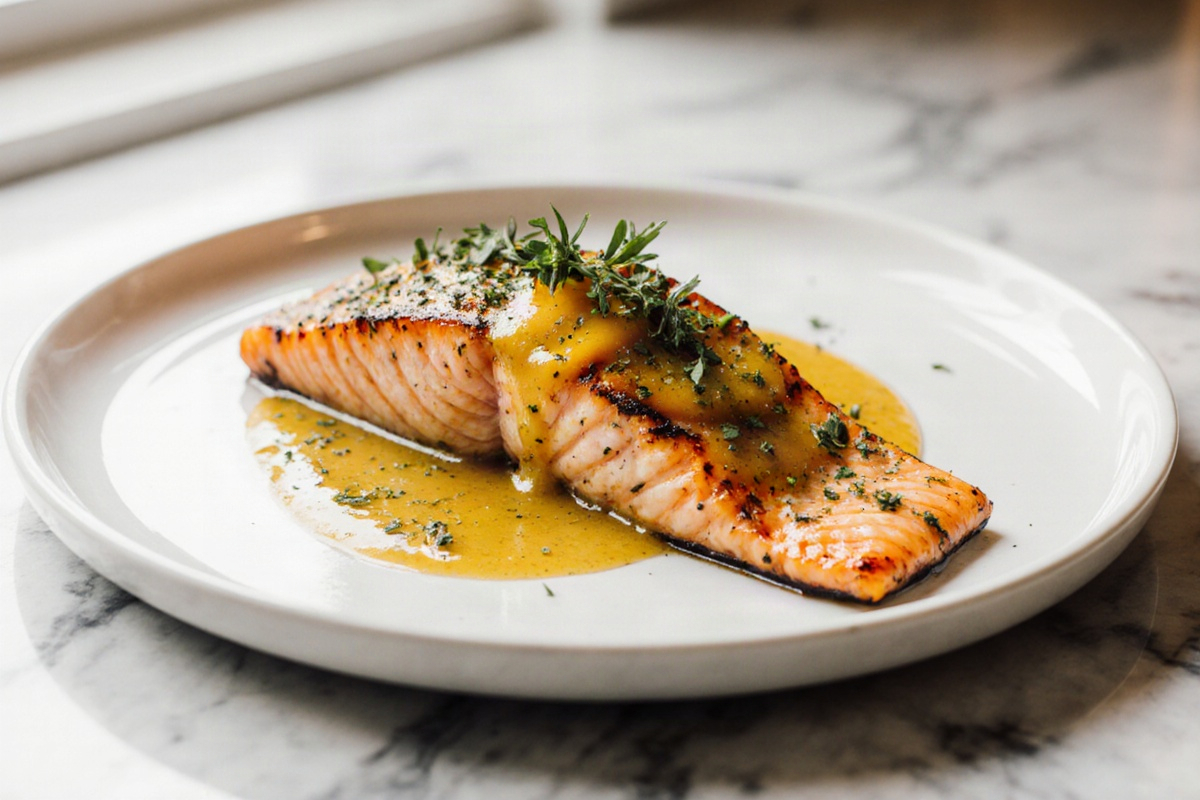
Apricot Dijon Salmon used to be one of those dishes I only served for special occasions because I thought it was too fancy. But after some experimentation, I’ve nailed a super straightforward method that works great for busy weeknights. With just a handful of ingredients and the right steps, you can whip up moist, flavorful salmon that’s bursting with a sweet and tangy glaze. Trust me, once you see how simple it is, this will be on your dinner table more often than you think.
Recipe Card – Apricot Dijon Salmon
Apricot Dijon Salmon
Equipment
- Sheet Pan
- Parchment paper
- Mixing Bowl
Ingredients
Ingredients
- 4 fillets Salmon fillets skin removed
- 100 g Apricot preserves for glaze
- 15 ml Dijon mustard for glaze
- 15 ml Olive oil for glaze
- 15 ml Lemon juice or lime juice
- to taste Salt to taste
- to taste Pepper to taste
Instructions
- Preheat your oven and line a sheet pan with parchment paper for easy cleanup.
- Mix the glaze using apricot preserves, Dijon mustard, lemon juice, and olive oil.
- Pat the salmon dry, season lightly with salt and pepper, then place it on the sheet pan.
- Brush a generous layer of glaze over the top and sides of the salmon, saving some for after baking.
- Bake until the fish is just opaque and flakes easily, basting with remaining glaze halfway through.
- Let the salmon rest for a few minutes before serving so the glaze can set.
Notes
Why Apricot Dijon Salmon is a Must-Try
Flavor profile
Apricot Dijon Salmon offers a bright, balanced glaze that mixes gentle sweetness with a tangy punch. The fruity notes of apricot blend perfectly with the sharp bite of Dijon mustard, creating a glaze that clings nicely to each fillet and caramelizes as it cooks. The salmon is rich and flaky, making it a perfect base for the glaze to shine without drowning out its natural flavors. I love how the glaze glistens as it bakes, tempting you to spoon it over your last bite. Believe me, this combo will become one of your go-to flavor favorites.
Why this recipe works
This method combines a quick glaze with an easy baking process, making it perfect for busy weeknights and weekend gatherings. The apricot preserves add sweetness, nicely balanced by the Dijon, while a sprinkle of seasoning lifts the flavors without hiding the fish. The glaze becomes a shiny, flavorful coat that sticks even as the salmon cooks through. It’s forgiving with thicker cuts and can easily serve a family meal. I’ve burned a few simpler glazes in my early days, so I really appreciate how this balance stays reliable from oven to table.
Who this recipe is for
If you love fast, elegant seafood with a hint of sweetness, this dish is for you. It’s ideal for busy cooks who want a restaurant-quality sauce without complicated techniques. It’s also great for pescatarians and heart-healthy meal planners looking for omega-3-rich protein and a fruity, zesty glaze. Whether you’re whipping up a weeknight dinner or celebrating an occasion, Apricot Dijon Salmon fits right in.
Ingredients and Substitutions
Classic ingredients
You’ll want salmon fillets with the skin removed for a clean glaze, plus a fruity ingredient like apricot preserves or jam. Dijon mustard brings that signature tang, while a little oil helps the glaze cling and shine over the fish. A splash of lemon or lime juice lightens up the sweetness, and some salt and pepper round out the glaze and season the fish. If you want to jazz it up, stirring in some garlic, shallots, or fresh herbs adds depth. Remember, this approach is based on pantry staples that are easy to adjust.
Best preserve swaps
If you can’t find apricot, other stone-fruit jams or preserves can work great—peach, orange, or even apricot-peach blends keep a similar sweetness and acidity. For a tart twist, try a thin layer of marmalade with citrus zest. If you want a smoother glaze, mash the fruit preserves to a uniform consistency before applying. A bit of honey or maple syrup can help adjust the sweetness, but keep it balanced so the mustard shines through.
Mustard and seasoning options
Dijon is great here for its sharp, clean heat, but whole-grain or spicy brown mustard can add texture and a stronger kick. If you’re looking for some extra heat, throw in a pinch of red pepper flakes or a dash of hot sauce. A sprinkle of garlic powder or minced garlic, along with a hint of lemon zest, brightens everything. For a gluten-free version, just make sure any mustard or stock you use is certified gluten-free, and avoid any soy-based ingredients that contain gluten.
How to Make Apricot Dijon Salmon
Step-by-step instructions
Start by preheating your oven and lining a sheet pan with parchment for easy cleanup. Mix the glaze using apricot preserves, Dijon, a splash of citrus, and a touch of oil. Pat the salmon dry, season it lightly with salt and pepper, then place it on the sheet pan. Brush on a generous layer of glaze over the top and sides, saving a little for a final brush after baking. Bake until the fish is just opaque and flakes easily, basting with any remaining glaze halfway through. Let the salmon rest for a few moments before serving so the glaze can set and stick.
Time and temperature chart
For a flexible approach, bake at a moderate temperature until the glaze is shiny and the fish is flaky. If you’re in a hurry, you can sear it in a hot skillet and then finish it gently in the oven to set the glaze and keep the fish moist. Aim for an internal temperature in the mid-range when checked with a reliable thermometer, and adjust based on how thick your fillets are. Just remember: the glaze should coat the fish in a thick, even layer without pooling.
How to tell when it is done
The salmon is done when it flakes easily with a fork and looks opaque throughout. The glaze will be shiny and set, with a slightly caramelized edge where the sauce meets the heat. If the fish needs a bit more time, keep an eye on it and baste gently with any remaining glaze. Overcooked fillets can dry out quickly, so take them out promptly once they reach the desired doneness and let them rest for a few minutes to let the juices redistribute.
Nutrition and Health Benefits
Nutrition facts per serving
Apricot Dijon Salmon offers a solid protein boost with healthy fats from the salmon, giving you energy and keeping you satisfied. The apricot glaze adds a reasonable amount of natural sugars along with some fruit-derived nutrients. This dish can fit well into balanced eating by pairing with vegetables and whole grains while controlling portion size. If you’re tracking your macros, you can estimate protein and fat content based on your fillet size and amount of glaze.
Key vitamins and minerals
Salmon is a fantastic source of omega-3 fatty acids, which support heart and brain health. Apricots bring vitamins A and C along with fiber, while Dijon contributes a variety of B vitamins and complexity in flavor. Together, these ingredients provide minerals like potassium and selenium in supportive amounts. You’ll enjoy a colorful, nutrient-packed meal that’s still easy to make during the week.
Health notes and dietary fit
This dish is naturally gluten-free if you choose a gluten-free mustard. It’s suitable for pescatarian diets and heart-healthy eating patterns when you keep an eye on portion sizes. If you’re watching your sodium intake, adjust the salt and pick a low-sodium mustard. For dairy-free or nut-free kitchens, this glaze stays simple and pure, allowing the ingredients to shine without any additives.
Variations and Sides
Flavor variations
Try a maple-dijon variation for a richer sweetness, or use a citrusy orange glaze with a hint of grated ginger for a bright, warming twist. Adding fresh herbs like thyme or dill can boost the aroma and add a nice green touch. For something bolder, a light splash of soy sauce or tamari in the glaze will give it a subtle savory kick.
Best side dishes
Pair Apricot Dijon Salmon with roasted vegetables, a fresh green salad, or a savory grain like quinoa or couscous. A side of steamed asparagus or green beans works beautifully to balance the sweetness of the glaze. For a heartier option, serve it with wild rice pilaf or some crusty bread to soak up any leftover glaze.
Video: Smoked Apricot Dijon Glazed Salmon
FAQ – Apricot Dijon Salmon
Conclusion
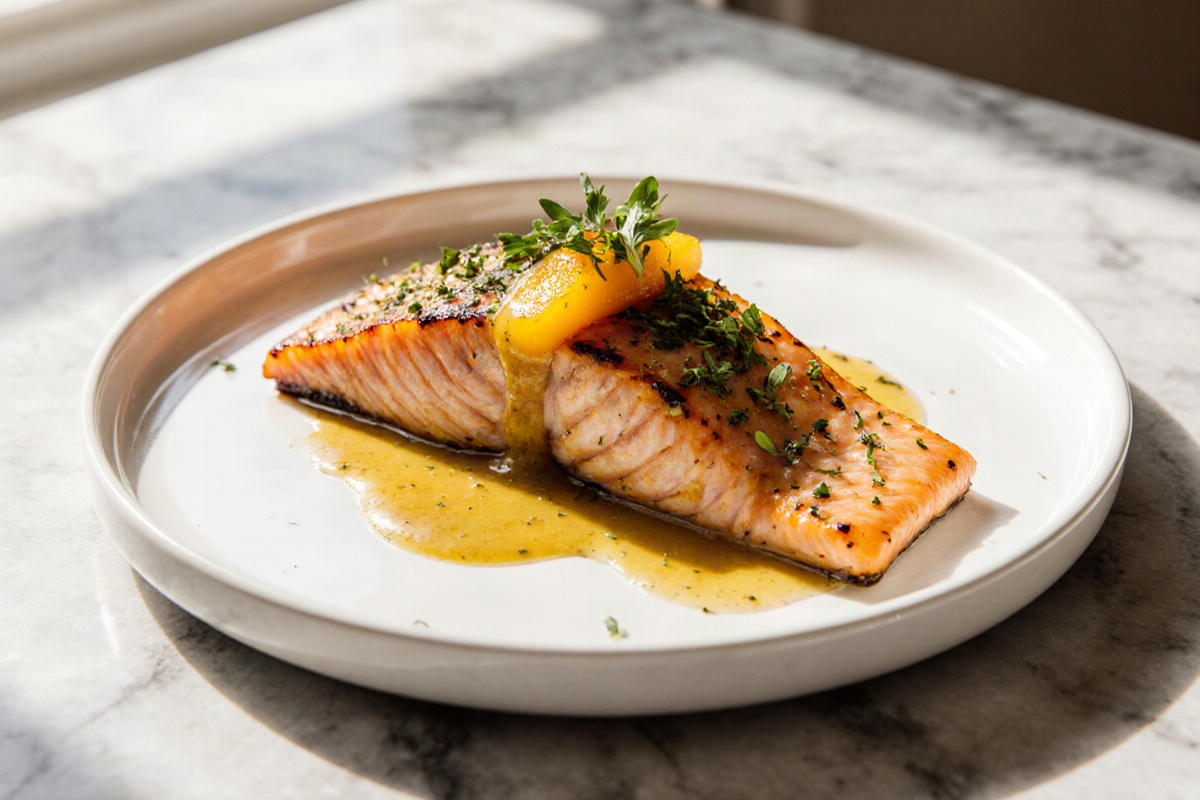
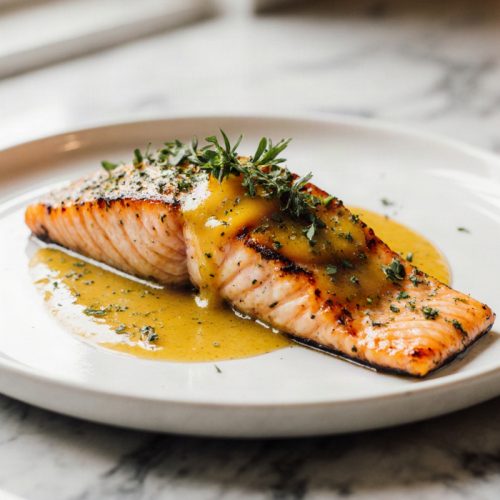
When it’s done baking, the Apricot Dijon Salmon is a sight to behold: glossy, golden, and so inviting. The aroma fills your kitchen with a delightful sweetness that makes you eager to dive in. Each bite is flaky, tender, and perfectly balanced, with a beautiful glaze that clings deliciously to the salmon. I promise, this dish is not just doable; it’s downright enjoyable to make. So give it a try – you might be surprised how simple and satisfying this recipe can be on a busy weeknight.