
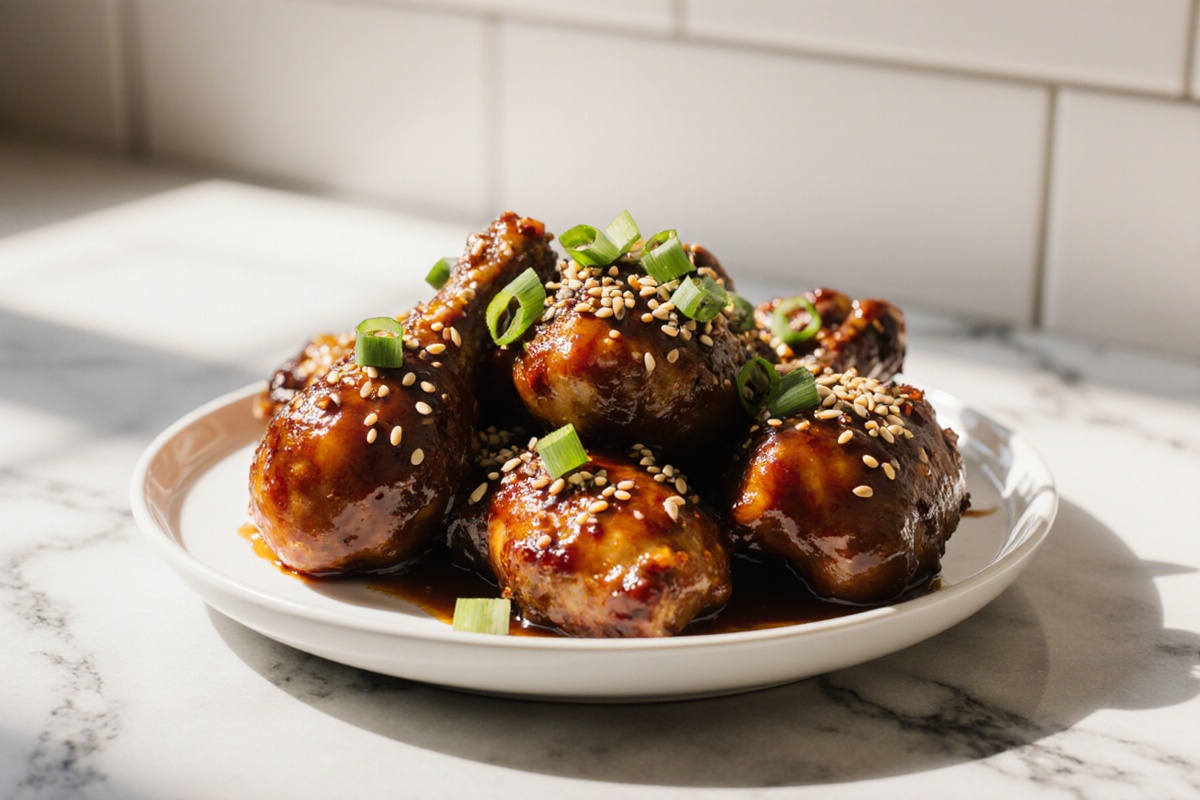
Sticky Honey Gochujang Chicken used to be a weekend project for me, mainly because I thought it was too complicated for a weeknight. But I finally cracked the code! This version combines bold flavors with straightforward steps, resulting in a delicious meal that won’t eat up your entire evening. You won’t believe how easy it is to whip up this glossy, sweet-and-spicy glaze that satisfies everyone at the table. Trust me, once you try this approach, it’ll become a favorite go-to recipe for busy nights.
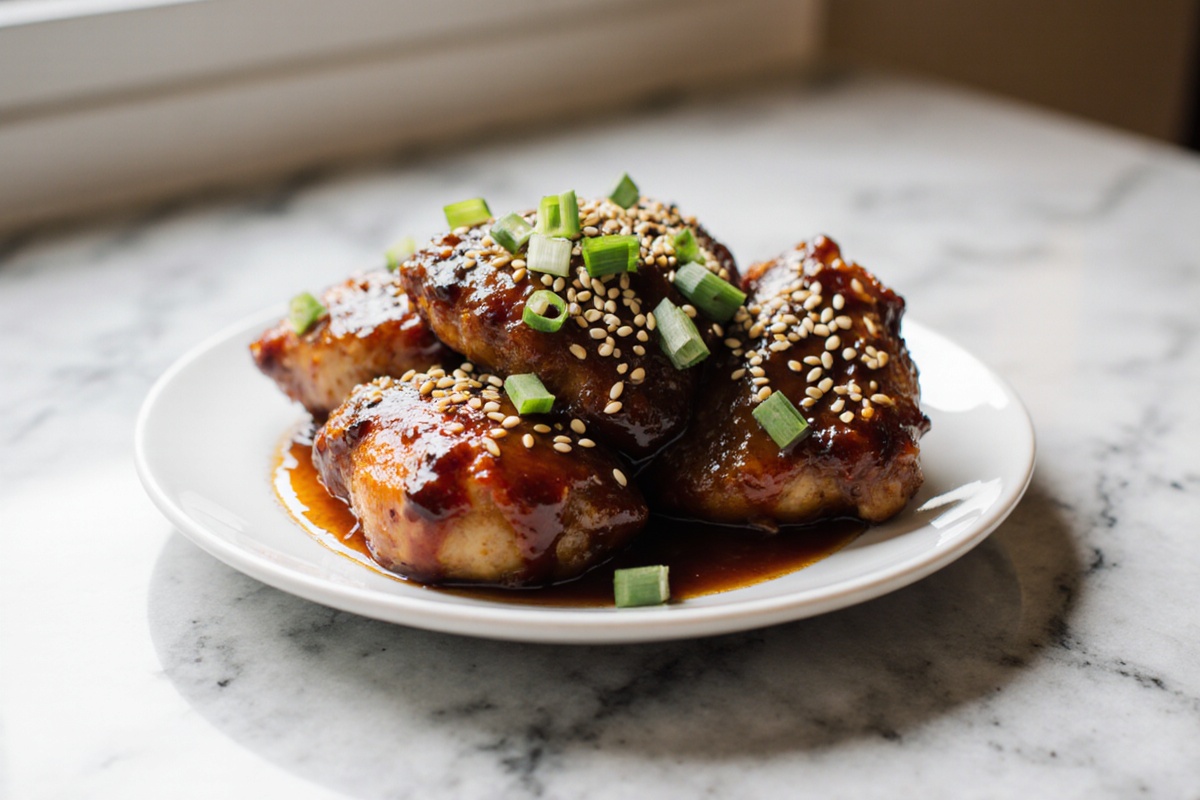
Recipe Card – Sticky Honey Gochujang Chicken
Sticky Honey Gochujang Chicken
Equipment
- Large Skillet
- Oven
- Mixing Bowl
Ingredients
Ingredients
- 600 g Chicken thighs bone-in or boneless
- 75 ml Soy sauce or tamari for gluten-free
- 45 ml Honey for sweetness
- 30 ml Gochujang Korean red chili paste
- 15 ml Rice vinegar for brightness
- 15 ml Sesame oil for toasty flavor
- 3 cloves Garlic minced
- 1 thumb Ginger grated
- 30 g Cornstarch for glaze and texture
Instructions
- In a mixing bowl, combine soy sauce, honey, gochujang, rice vinegar, sesame oil, garlic, ginger, and whisk until smooth. Add cornstarch, and mix well.
- Marinate the chicken in the mixture for at least 30 minutes, or up to 8 hours in the fridge.
- Preheat oven to 200°C (400°F). Heat a large skillet over medium-high heat.
- Pat the chicken dry, then sear in the skillet until golden on both sides, about 4-5 minutes per side.
- Transfer chicken to the preheated oven and bake for 10-15 minutes, until internal temperature reaches 74°C (165°F).
- Brush with additional glaze in the last few minutes for a sticky finish.
Notes
More Recipes You Might Enjoy:
Roasted Sweet Potato Rounds with Honey & Feta recipe
Parmesan Chicken Meatloaf recipe
Or go to my Pinterest.
What Is Sticky Honey Gochujang Chicken?
Korean-American fusion defined
Sticky Honey Gochujang Chicken sits at the crossroads of Korean heat and American sweetness, delivering a glossy glaze that clings to every bite. This Korean-American fusion blends gochujang’s spicy, savory depth with honey’s mellow sweetness, creating a balanced, crowd-pleasing flavor profile. It’s all about layering flavors: a little heat, a touch of sweetness, and a savory backbone that brings the glaze to life. I’ve made versions where the glaze caramelizes beautifully, and trust me, that glossy finish is as satisfying as the aroma filling your kitchen.
Why this recipe trends in 2025–2026
This dish fits perfectly into today’s home-cooking vibe: quick, bold, and adaptable with pantry staples. People crave global flavors that are easy to approach and customize. The combination of sweet, spicy, and savory in a single glaze makes weeknight dinners feel exciting without much extra effort. It also scales up nicely for gatherings—just double or triple the batch while keeping that glossy finish you love. It’s comfort food with a punch of global flair.
Ingredients & Marinade Science
What each ingredient does
The marinade relies on a few key ingredients: honey for sweetness and gloss, gochujang for heat and depth, soy sauce for salt and umami, garlic and ginger for aromatics, rice vinegar for brightness, and sesame oil for a toasty finish. Cornstarch or a light binder helps the glaze stick and keeps the chicken juicy. Chicken thighs are forgiving and flavorful, soaking up the glaze while staying moist. This combination creates that signature sticky bite you expect from a honey gochujang chicken glaze.
Substitutions and pantry swaps
If you’re missing an ingredient, you’ve got options:
- swap honey for maple syrup or agave for a different sweetness;
- if you don’t have gochujang, mix a chili paste with a pinch of miso or peanut butter for similar depth, then adjust heat with a splash of hot sauce;
- Tamari can replace soy sauce for gluten-free needs, and a splash of rice wine vinegar can take the place of rice vinegar if needed;
- For sesame flavor, a quick sprinkle of toasted sesame seeds at the end adds a nice touch.
Keep the balance of salty, sweet, and spicy in mind as you make substitutions.
Step-by-Step Cooking Guide
Marinate timing and technique
Marinating the chicken helps infuse flavor and keeps the meat juicy. Aim for at least 30 minutes, but if you’ve got time, up to 8 hours in the fridge works great for thicker cuts. Use a nonreactive dish and toss the pieces to coat evenly. For the best results, pat the chicken dry before cooking to ensure a good sear and help the glaze caramelize instead of steam. I’ve found that letting well-coated chicken rest outside the fridge for about 10 minutes helps the surface dry slightly, aiding browning.
Pan-searing vs. oven roasting
A two-step method gives you the best texture: sear the chicken in a hot skillet until it’s deeply golden, then finish in a hot oven to set the glaze and ensure it’s fully cooked. Searing creates that irresistible crust, while finishing in the oven helps the glaze set without burning. Preheat to 400°F (200°C) and cook until the internal temperature reaches 165°F (74°C). If you prefer everything in one pan, you can bake the coated pieces on a sheet tray at 425°F (220°C) until cooked through, brushing with glaze midway.
Common mistakes avoided
Common pitfalls include overcrowding the pan, which steams the chicken instead of browning it; failing to pat it dry, which stifles crispiness; and adding glaze too early, which can burn. To fix these issues:
- cook in batches;
- dry the surfaces well;
- apply the glaze toward the end of cooking, allowing it to thicken briefly on the heat.
If the glaze sticks or seems thin, a quick simmer with a teaspoon of cornstarch slurry can help. Resting the meat for a few minutes after cooking keeps it juicy.
Nutritional Breakdown & Health Benefits
Macros per serving
Macros vary with portion size and cut, but this dish is protein-forward and can be mid-range in fat depending on whether you use thighs or breasts. The glaze brings sugars and a bit of sodium from soy sauce, so balance your plate with plenty of vegetables and a starchy side if you’re keeping an eye on calories. It’s a satisfying, flavorful option that fits nicely into a balanced meal when paired with greens and whole grains.
Micronutrients explained
Garlic, ginger, and chili peppers contribute antioxidants and anti-inflammatory compounds, while sesame oil and seeds supply small amounts of minerals like calcium and iron. Gochujang adds benefits from fermentation and a touch of heat that can modestly boost metabolism. The chicken provides lean protein, and the glaze keeps moisture and flavor in the mix, making it easier to enjoy a nutrient-dense dish that tastes great.
Chicken thighs vs. breast comparison
Thighs offer richer flavor and moisture, making them especially forgiving in a sweet-spicy glaze. Breast meat is leaner and can dry out if not treated carefully, but it finishes crisper with the right technique. If you want a lighter version, you can use skinless, boneless breasts with careful cooking and extra glaze for moisture. For the most forgiving and classic result, stick with thighs.
Recipe Variations & Global Twists
International adaptations
Take this glaze global by adding a touch of lime zest and cilantro for a brighter Latin-Asian fusion, or embrace Korean flavors by including a splash of sesame oil and a few drops of toasted sesame seeds. You can also explore different spice profiles: swap in gochugaru (Korean chili flakes) for a smoky kick, or add a hint of five-spice powder for an Asian-fusion twist. Adjust heat and sweetness to suit your crowd.
Regional US styles
In the Midwest, a touch of brown sugar and a hint of paprika can create a BBQ-inspired glaze. California leans toward a citrusy brightness with lime and cilantro, while the Gulf Coast may welcome a hint of paprika and garlic powder for a smoky, bold flavor. Each region can influence the glaze’s sweetness, heat, and aroma, turning this dish into a versatile canvas for your local culinary style.
Side dish pairings
This dish pairs well with fluffy white or brown rice to soak up the glaze, along with a crisp cucumber salad or steamed broccoli for contrast. A warm, crusty bread or a sesame-green bean dish also works nicely, letting you mop up every last drop. If you’re leaning Korean-inspired, kimchi or quick-pickled vegetables provide a bright counterpoint to the glaze. Think color, crunch, and balance on your plate.
Expert Tips for Perfect Results
Velveting technique explained
Velveting chicken with a light cornstarch coating creates a silky texture that keeps things juicy. Mix a small amount of cornstarch with a splash of cold water to form a slurry, toss the chicken lightly in it, and then sear. This technique helps the surface hold moisture during cooking, giving you a tender bite under the glossy glaze. It’s especially useful if you’re working with thicker pieces or preparing a larger batch.
Crispiness hacks
For crispier edges, pat the chicken dry, avoid crowding the pan, and use a high heat sear. A light dusting of cornstarch on the surface before cooking helps achieve that crispy crust. Brush with glaze toward the end and let it caramelize without burning. Resting briefly after cooking helps the juices redistribute and keeps the glaze looking glossy.
Make-ahead strategies
Marinating the chicken up to 8 hours in advance maximizes flavor. You can prep the glaze ahead and refrigerate it until you’re ready to cook. If you’re hosting, consider searing in advance, then reheating gently and tossing with warmed glaze just before serving. For freezer-friendly prep, portion raw chicken with marinade and freeze; thaw overnight in the fridge before cooking.
Video: Amazing sticky gochujang honey chicken
FAQ – Sticky Honey Gochujang Chicken
Marinade timing
Short marinating time (30 minutes to 2 hours) works well for quicker meals, while longer marinating (4–8 hours) deepens flavor and helps tenderness. If you’re short on time, a quick 15–30 minute soak still yields noticeable flavor. Always marinate in the refrigerator and discard any leftover marinade that has touched raw chicken.
Cooking method alternatives
If you don’t want pan-searing, you can bake the coated chicken on a lined sheet pan at 425°F (220°C) until cooked through, brushing with glaze halfway. An air fryer is a great alternative for high-crispiness results—cook at 400°F (200°C) in batches, shaking halfway. Grilling adds a smoky edge; finish with glaze after the chicken comes off the heat to avoid burning.
Storage and freezing
Store leftovers in an airtight container in the fridge for up to 3–4 days. Reheat gently on the stove or in the oven to maintain moisture and glaze shine. Freeze cooked chicken in a freezer-safe container for up to 2–3 months; thaw in the fridge overnight and re-glaze before serving for a fresh feel.
Conclusion
When you pull this Sticky Honey Gochujang Chicken out of the oven, you’ll be mesmerized by the aroma of sweet and spicy mingling in the air. The glaze will be beautifully caramelized, clinging to the juicy chicken, which will make each bite a burst of flavor. It’s glossy, it’s sticky, and it’s downright delicious! Give it a try – you might be surprised how simple and satisfying this recipe can be on a busy weeknight.