
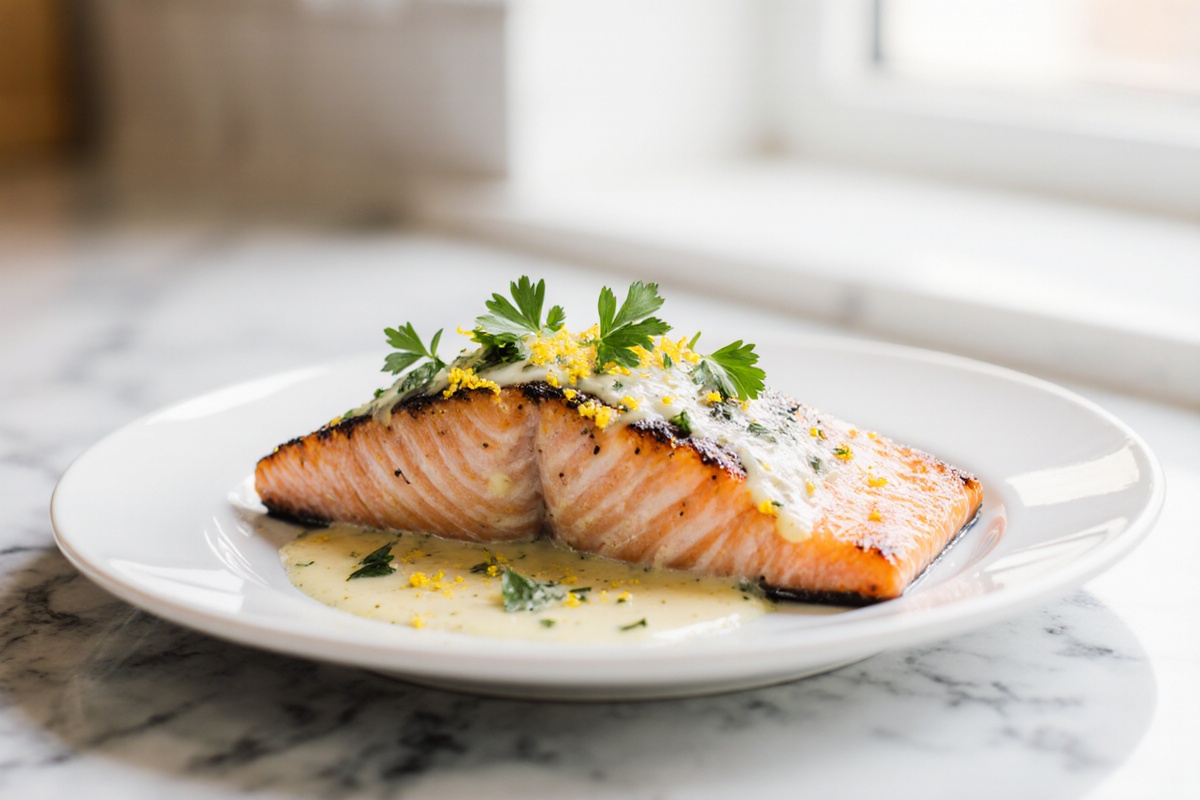
Texas Roadhouse Salmon used to be one of those dishes I only made on weekends because it seemed too fancy for a regular weeknight. However, after a bit of trial and error, I found a smart way to whip this up any day. You’re looking at simple steps, everyday ingredients, and a dish that’s packed with flavor! Plus, it’ll impress anyone at your dinner table without breaking a sweat. Trust me, once you break this down into manageable steps, you’ll want to keep this recipe on rotation for quick weeknight meals.
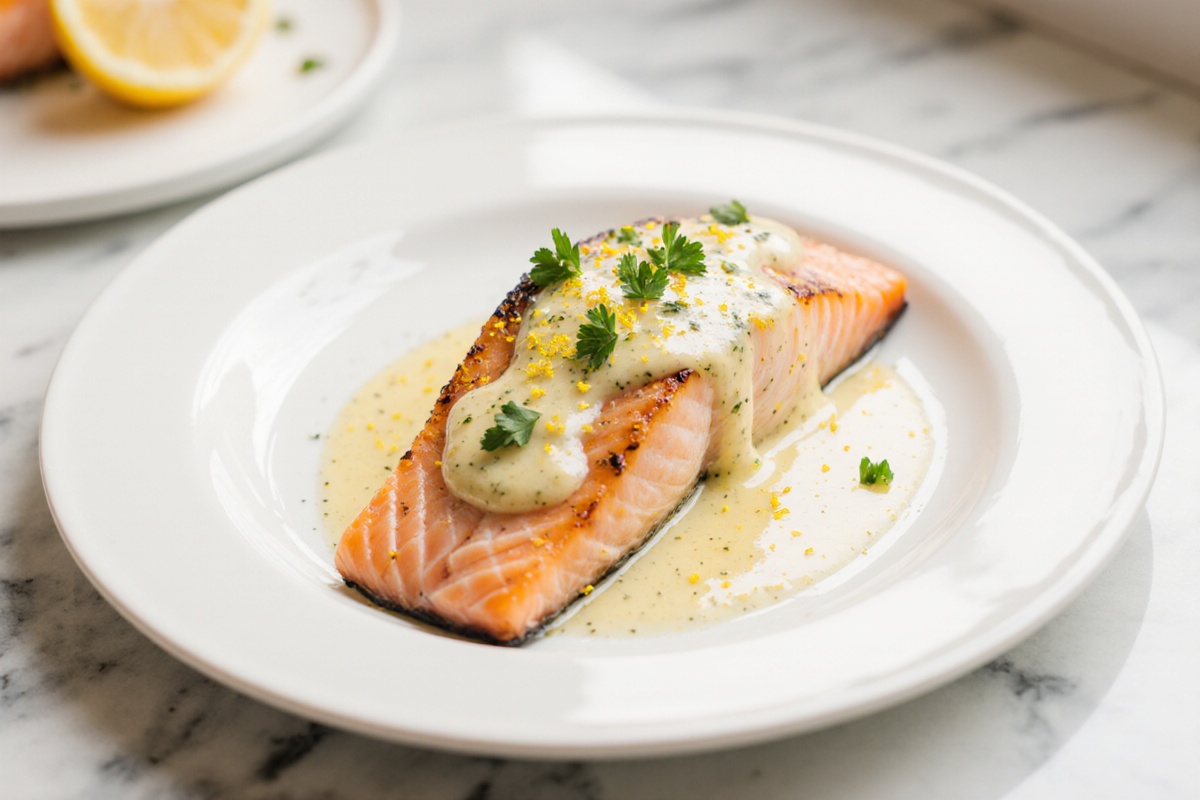
Recipe Card – Texas Roadhouse Salmon
Texas Roadhouse Salmon
Equipment
- Cast-iron skillet
- Small saucepan
Ingredients
Ingredients
- 340 g Salmon fillets 2 fillets, about 170 g each
- 30 ml Olive oil 1–2 tablespoons
- 6 g Garlic 2 cloves, minced
- 45 g Butter 3 tablespoons
- 1 unit Lemon juice and zest
- 5 g Salt
- 5 g Black pepper
- 5 g Fresh parsley chopped
- 1 g Paprika optional, for color
Instructions
- Preheat a cast-iron skillet over medium-high heat and add a small amount of oil to coat the bottom.
- Pat the salmon dry, season with salt and pepper, and place it skin-side down.
- Sear for about 3–4 minutes until the skin is crisp and the flesh releases easily from the pan.
- Flip carefully and cook for another 2–4 minutes until the internal temperature reaches 52°C for medium.
- In the last minute, add the butter and minced garlic, swirling the pan to create a garlicky butter sauce.
- Spoon the sauce over the fillets and finish with lemon juice and zest. Remove from heat, rest briefly, and garnish with parsley before serving.
Notes
What is Texas Roadhouse Salmon?
The signature flavor profile
Texas Roadhouse Salmon in a home kitchen typically focuses on a bright, buttery glaze that clings to a nicely seared fillet. Think garlic-infused butter, zesty lemon, and just a hint of sweetness that caramelizes beautifully on the surface. The key is finding balance: savory richness from the butter, tang from citrus, and a gentle warmth from simple spices. When you take a bite, you should hear a satisfying crackle as the skin meets the pan, followed by a tender, flaky center. I’ve cooked this style long enough to know that texture matters just as much as taste—crisp skin gives way to juicy meat every time. Trust me, this step is essential.
The aroma alone is enough to make your mouth water before you even plate it. A quick sear over high heat creates a golden crust while keeping moisture inside. That garlic butter finish adds depth without overpowering the fish’s natural flavor. This is a simple, comforting profile you can whip up using pantry staples, and it pairs beautifully with light greens, grains, or roasted vegetables. If you want that restaurant-worthy vibe at home, focus on layering buttery richness with citrus brightness for a truly crave-worthy dish.
Why this copycat recipe works
This Texas Roadhouse-inspired approach works because it uses simple, accessible ingredients and straightforward techniques. A hot skillet and a quick, confident sear help lock in moisture and create a crispy exterior without drying out the fish. The garlic butter sauce finishes everything with a glossy sheen and a lovely aromatic lift that makes each bite delicious. By keeping the flavors approachable—salt, pepper, lemon, garlic, and butter—you maintain the fish’s natural goodness while achieving that unmistakable restaurant-style finish. I’ve burned a batch or two experimenting, so I’ll tell you straight: timing matters. A quick cook time with a generous butter finish gives you the best results and most forgiving experience for home cooks.
Nutrition and Health Benefits
Calories, protein, and fat per serving
Salmon is a winner for everyday meals, delivering protein and healthy fats in a manageable portion. A typical 6-ounce (170 g) serving contains about 300–380 calories, depending on how much butter and oil you use. You’re looking at around 34–40 g of protein per serving, which makes it a fantastic option for muscle maintenance and keeping you full. Fat content varies with preparation, but if you’re searing it in a cast-iron skillet with a garlic butter sauce, it can reach 18–26 g of fat per serving. If you’re watching calories, you can cut back on the butter or use a lighter oil while keeping the same technique to maintain moisture and texture. Remember, the portion size and amount of sauce determine the final numbers, not the fish itself.
The fats in salmon are mostly heart-healthy omega-3 fatty acids, which are an important part of a balanced diet. These fats support reducing inflammation and promoting heart health when included as part of a varied diet. If you’re counting macros, keep in mind that the skin adds a bit more fat but also gives a delightful crispy contrast. You can lighten the dish with a less rich sauce while still delivering great flavor. Balance your plate with plenty of vegetables and a whole grain side to round out the meal.
Key vitamins and Omega-3 benefits
Salmon is packed with omega-3 fatty acids (EPA and DHA), which are great for heart and brain health. It also provides B vitamins (especially B12 and B6), vitamin D, and selenium. These nutrients support energy metabolism, immune function, and bone health, making salmon a practical choice for weeknight dinners. The garlic and lemon in the sauce add small boosts of antioxidants and flavor without complicating the dish. If you want a nutrient-rich dinner, pairing this salmon with leafy greens or a citrusy salad helps maximize those benefits.
In practical terms, the omega-3 content varies depending on whether the fish is wild or farmed and how it’s cut. Regardless, including salmon in your regular meal rotation is a straightforward, tasty way to boost your protein and nutrient intake. A modest serving with a vibrant side gives you a satisfying balance of nutrients and flavor.
Comparison of cooking methods
Using a cast-iron skillet gives you that signature crispy skin and a deeply flavored crust due to direct contact with a hot surface and a little fat. Oven-baking or broiling, on the other hand, cooks more evenly with less hands-on attention, sometimes yielding less crispy skin without any finish. Air fryer methods offer a handy middle ground: quicker cooking, good crispiness, and less oil, but you might lose some of that natural fond and depth you get from a skillet. If texture is your priority, the skillet method wins for that classic, restaurant-style skin; if convenience matters more, the air fryer or oven can still give you a delicious result with careful timing. No matter which way you cook, that garlic butter finish helps bring all the flavors together.
How to Make Texas Roadhouse Salmon
Ingredients for the classic version
For this classic recipe, you’ll want:
- Two salmon fillets, about 6 oz (170 g) each
- 1–2 tablespoons olive oil
- 2 cloves garlic, minced
- 3 tablespoons butter
- 1 lemon, juice and zest
- Salt and black pepper
- Fresh parsley, chopped
- Optional: 1/4 teaspoon paprika for color
These ingredients come together quickly to create a vibrant, glossy finish. Pat the salmon dry before cooking to ensure a crisp surface, and keep the butter in play for that rich glaze at the end. I love adding lemon zest to brighten things up, but feel free to adjust it to your taste. The goal is a simple, flavorful setup that lets the fish shine.
Cast iron skillet method instructions
Preheat a cast-iron skillet over medium-high heat and add a small amount of oil to coat the bottom. Pat the salmon dry, season with salt and pepper, and place it skin-side down if there’s skin. Sear for about 3–4 minutes until the skin is crisp and the flesh releases easily from the pan. Flip carefully and cook for another 2–4 minutes until the internal temperature reaches 125°F for medium, or longer if you like it more well done. In the last minute, add the butter and minced garlic, swirling the pan to create a garlicky butter sauce. Spoon the sauce over the fillets and finish with lemon juice and zest. Remove from heat, rest briefly, and garnish with parsley before serving.
Air fryer alternative instructions
Preheat the air fryer to 400°F (204°C). Lightly oil the basket and season the salmon. Place the fillets skin-side down and cook for 8–10 minutes, depending on thickness, until the internal temperature is around 125°F (52°C) for medium. If your air fryer is smaller, you may need to cook in batches. In a separate pan, melt butter with minced garlic for a quick sauce, then brush it over the hot fillets and finish with lemon juice and chopped parsley. Let it rest for a minute before serving to let the flavors settle.
Making the garlic butter sauce
Melt 3 tablespoons butter in a small saucepan over low heat. Add 2 minced garlic cloves and a pinch of salt; cook gently for 1–2 minutes until fragrant but not browned. Remove from heat, stir in 1 teaspoon lemon juice and a little zest. If you want, add chopped parsley for color. The sauce should be glossy and pourable; if it’s too thick, whisk in a teaspoon of water or a splash more lemon juice. Spoon generously over the salmon just before serving to keep the skin crispy and the sauce bright.
Tips for Perfect Crispy Salmon
Common mistakes and solutions
Common mistakes include overcooking the fish, skipping the pat-dry step for the skin, and overcrowding the pan. Overcooked fish can turn dry and tough, while moisture under the skin prevents crisping. The fix is easy: pat the fillets dry, crank up the heat, and avoid moving the fish too much at first. If the skin sticks, just give it a bit more time to release on its own. If it turns out dry, try reducing the cook time by a minute or two and letting the center finish off with residual heat. I’ve learned that a quick, confident sear pays off big time in terms of texture and flavor.
How to get golden-brown skin
Golden-brown skin comes from a hot surface and little moisture. Make sure the pan is well preheated and dry the fillets thoroughly before seasoning. Start with the skin side down and press gently to maintain contact so it crisps evenly. Don’t flip too early; let the crust form fully before turning once and finishing with the butter sauce. A light spray of oil on the skin can help, but avoid too much fat in the pan, which can keep the skin from crisping nicely. The result should be a crisp, caramelized edge that contrasts beautifully with the tender flesh.
Importance of using the right tools
A good cast-iron skillet is your best friend for this dish, providing even heat and a fantastic sear. A wide metal spatula or fish slice helps you flip without tearing the fillet. A reliable meat thermometer ensures you hit that perfect interior temperature. And a clean, organized workspace—mise en place—keeps everything running smoothly. If you prefer the air fryer, a nonstick basket or parchment can help prevent sticking and promote even cooking. With the right tools, you’ll keep the process simple and the results consistently delicious.
Recipe Variations and Serving Ideas
Brown sugar honey glaze variation
For a sweet glaze, mix 2 tablespoons of brown sugar with 1 tablespoon of honey, 1 teaspoon of soy sauce, and a splash of lemon juice. Simmer for 1–2 minutes until it thickens slightly, then brush it onto the salmon during the last 2–3 minutes of cooking. The glaze should become glossy and stick to the surface. This variation adds a caramelized, slightly sticky finish that pairs lovely with a light salad or steamed greens. Keep an eye on it to avoid burning since the glaze can brown quickly.
Asian-style soy-honey twist
Create a glaze with 1 tablespoon of soy sauce, 1 tablespoon of honey, 1 teaspoon of ginger (minced), and 1 teaspoon of sesame oil. Reduce until it thickens a little and brush it on during the final minutes of cooking. Finish with a sprinkle of sesame seeds and chopped scallions. This version offers a savory-sweet balance with a hint of umami, perfect when served with jasmine rice and crispy broccoli.
Top recommended side dishes
This salmon shines alongside a bright green salad dressed with citrus vinaigrette, or warm bread with a light oil-dressed veggie medley. A simple side of quinoa or brown rice works well to soak up any extra sauce. Steamed asparagus or roasted Brussels sprouts add color and contrast. If you want a heartier option, pair it with mashed potatoes or creamy polenta to soak up that garlic butter. The key is to balance your plate with greens, grains, and a starchy side for a well-rounded meal.
Video: Texas Roadhouse Salmon
FAQ – Texas Roadhouse Salmon
Best way to cook Texas Roadhouse Salmon
The best approach is a hot skillet sear to develop a crisp crust, then finish with a garlic butter sauce either in the pan or in a quick oven finish. If you prefer a hands-off method, the air fryer or oven-bake options deliver solid results with less active time. The important part is to avoid overcooking and to keep the center tender by watching for an internal temperature around 125°F (52°C) for a juicy, medium finish.
Can I use an air fryer?
Yes. An air fryer is a great alternative for a quicker, hands-off cook with a crispy finish. Preheat to 400°F (204°C) and cook for 8–10 minutes, depending on thickness. Finish with the garlic butter sauce off the heat to keep the flavor bright and not overly oily. You’ll still want to pat the fillets dry and avoid overcrowding the basket to maintain even cooking.
What seasoning is used?
A simple blend keeps Texas Roadhouse Salmon flavorful without overpowering the fish: salt, black pepper, maybe a pinch of paprika for color, and a touch of lemon zest. Garlic is essential for that signature aroma, and a butter-based finish ties everything together. If you like more depth, you can add a whisper of dried thyme or parsley as a finishing herb.
How to know when it’s done?
Aim for an internal temperature of about 125°F (52°C) for medium doneness; 130–135°F (54–57°C) yields a slightly firmer center. If you don’t have a thermometer, look for opaque flesh that flakes easily with gentle pressure. Don’t wait for it to turn opaque all the way through—that can dry the texture. Let it rest for 2–3 minutes after cooking to redistribute juices.
Is the sauce just butter?
The hallmark sauce is butter-based with garlic and lemon. It’s more than just melted butter; the garlic adds aroma, and lemon brightens the finish. You can keep it simple with butter, garlic, and lemon, or add a touch of chopped parsley or capers for extra zing. If you’re watching fat, you can use a lighter butter amount or a splash of olive oil to stretch flavor without heaviness.
Conclusion
There you have it! A beautiful, crispy-skinned, jewel-toned salmon that looks and smells simply amazing. The lemon and garlic aroma wafts through the kitchen, making it hard to resist. I promise, the juicy tender fish paired with that rich garlic butter sauce will leave you craving more. I know you can nail this—give it a try and enjoy how simple and satisfying this recipe can be on a busy weeknight!