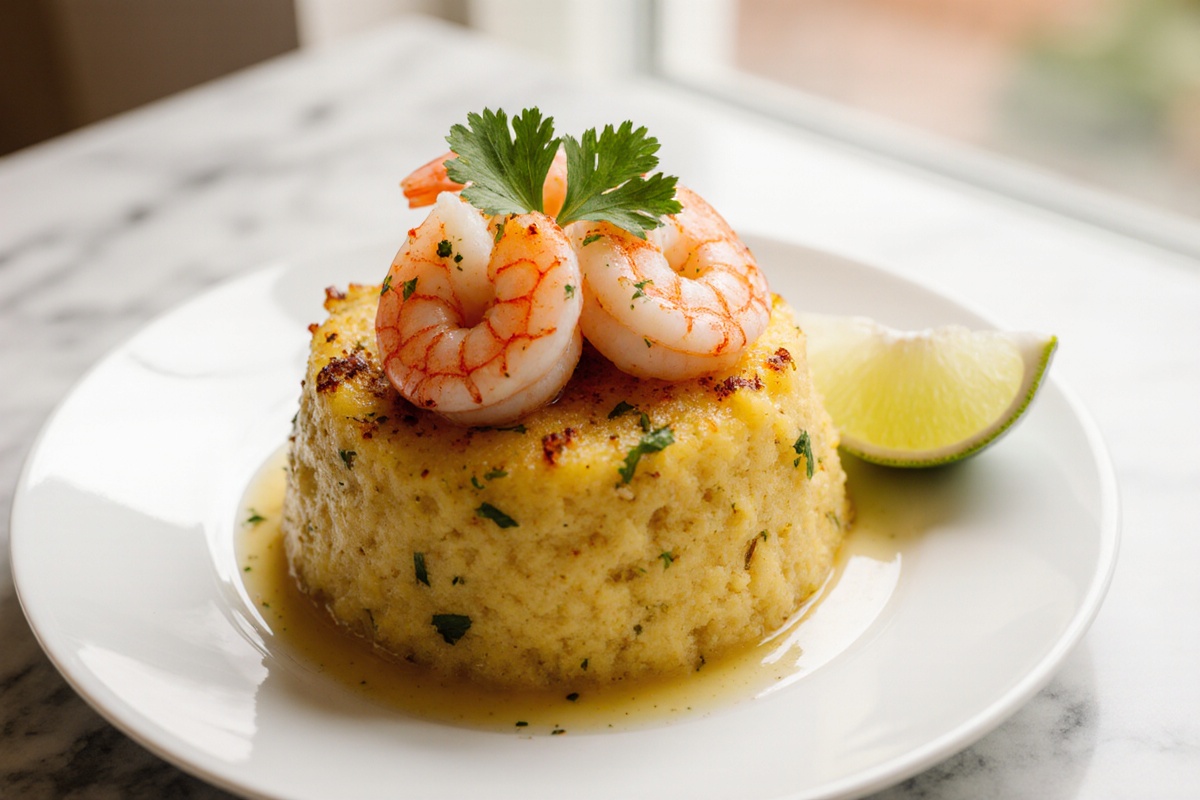
Garlic Shrimp Mofongo Flavor Packed Puerto Rican Classic used to be one of those dishes I hesitated to make on weeknights because it felt like a project. But after a bit of trial and error, I’ve found a way to make this delightful dish simple enough for any night of the week. This version hits all the right notes without a ton of fuss, mixing crispy plantains with juicy shrimp and that heavenly garlic sauce. You’ll be amazed how quickly this comes together and how satisfying it can be for a busy family dinner.
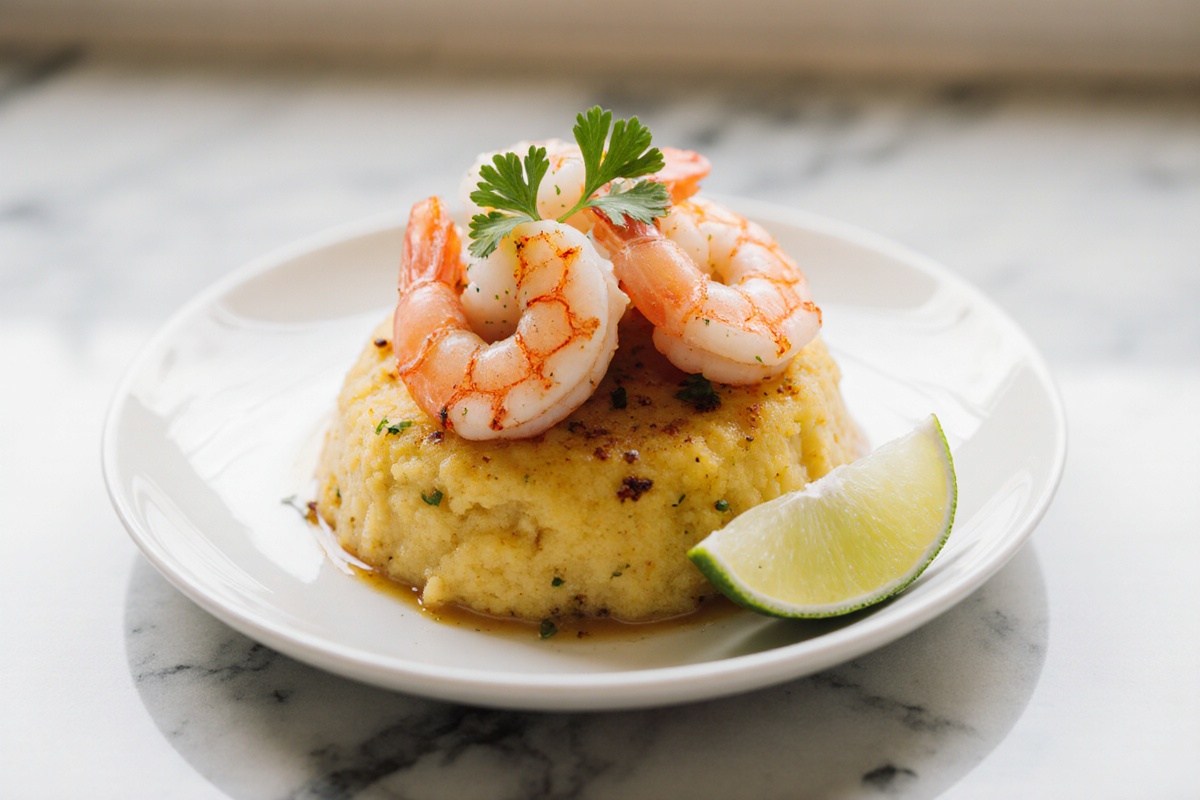
Dive into this flavor-packed Puerto Rican classic!
Recipe Card – Garlic Shrimp Mofongo Flavor Packed Puerto Rican Classic
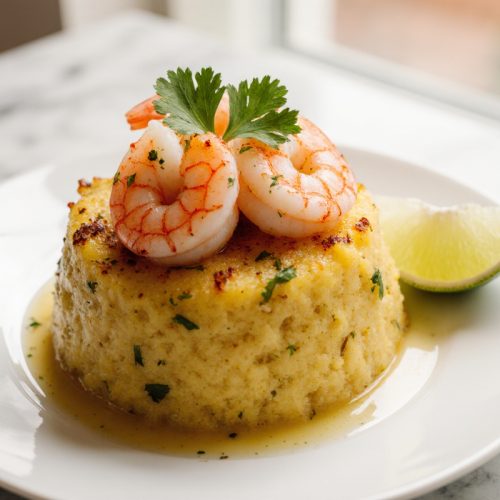
Puerto Rican Garlic Shrimp Mofongo
Equipment
- Large Skillet
- Frying pan
- Mixing Bowl
Ingredients
Ingredients
- 4 medium Plantains sturdy, cut into rounds
- 4 cloves Garlic minced
- 45 ml Olive oil for frying and sautéing
- 500 g Shrimp peeled and deveined
- 1 pinch Salt to taste
- 30 ml Broth or water for mashing
- 1 lime Lime juice optional, for flavor
- 1 tbsp Parsley chopped, optional
Instructions
- Heat the frying pan over medium heat and add enough olive oil to cover the bottom. Fry the plantain rounds for about 3–5 minutes per side, until the edges are golden and crispy.
- Remove the fried plantains from the oil and drain them well. Mash the plantains with the minced garlic, salt, and a splash of broth until you achieve a slightly loose texture.
- In a large skillet, heat the remaining olive oil and sauté the minced garlic for about 1–2 minutes until fragrant. Add the shrimp, cooking for 2–3 minutes until they turn pink and opaque.
- Finish the shrimp with a squeeze of lime juice and garnish with parsley if desired. Serve the shrimp over the plantain mofongo.
Notes
Puerto Rican Garlic Shrimp Mofongo: A Flavor Packed Classic
History and Cultural Significance
Puerto Rican mofongo is a comforting staple that’s deeply rooted in a mix of cultural influences, with mashed plantains taking center stage. This Garlic Shrimp version shows how a simple plantain can carry bold garlic and seafood flavors, turning an understated dish into a festive meal perfect for sharing. I’ve learned from my grandmother and many cooks that mofongo is all about rustic textures and soul-warming aromas—there’s personality in every bite. This Garlic Shrimp Mofongo Flavor Packed Puerto Rican Classic invites you to celebrate tradition while making it your own, one generous forkful at a time.
What Makes This Recipe Flavor Packed
What makes this dish stand out is the contrast in textures and the strong garlic flavor. Crispy-edged plantain mofongo makes a creamy, starchy base that absorbs a garlicky shrimp sauce beautifully. The shrimp finish fresh with a touch of citrus and herbs, while the plantains offer a sweet and savory backbone. Trust me, this is where the magic happens: give the plantains a quick fry for depth, then fold in enough garlic to infuse the mash without overwhelming it. The result is a savory, aromatic bite that stays with you long after the plate is clean.
Ingredients and Nutrition Breakdown
Essential Ingredients for Mofongo
For the base of mofongo, you’ll want sturdy plantains, garlic, olive oil, and a pinch of salt, along with broth or water for mashing to the right consistency. Shrimp tops the dish, bringing protein and a bright, briny sweetness when cooked with garlic. Optional additions like lime juice, parsley, and a splash of broth help balance the richness. If you prefer a traditional touch, you can add a little pork cracklings or bacon for extra crunch and flavor, but that’s totally up to you. I stick to simple, honest ingredients that work well together.
Nutritional Value per Serving
Nutritional values can vary, but you can expect a balanced plate centered around protein-rich shrimp, complex carbs from plantains, and healthy fats from olive oil. A typical serving gives you a hearty amount of protein from the shrimp, plus energy from the plantains that keeps you satisfied. If you’re monitoring calories, you can adjust the amount of oil and broth while still keeping those bright garlic and citrus notes intact.
Step-by-Step Preparation Guide
Frying and Mashing Plantains
Start by prepping those plantains and give them a quick fry until the edges are golden and the centers are tender. Use oil heated to around 350 °F and fry for about 3–5 minutes per batch, until they’re just crisp. Drain them well, then mash with minced garlic, salt, and a splash of broth or water to achieve a cohesive, slightly loose texture. Don’t mash until completely smooth—keeping some texture makes the mofongo lively and flavorful. I like to taste and adjust salt as I go, because seasoning at this stage really sets the foundation.
Preparing the Garlic Shrimp Sauce
In a large skillet, heat olive oil and sauté minced garlic until it’s fragrant but not browned, about 1–2 minutes. Add the shrimp and cook for 2–3 minutes, turning once, until they turn pink and opaque. Finish with a squeeze of lemon or lime juice and a pinch of salt to brighten the flavors. If you’re feeling fancy, a sprinkle of chopped parsley adds a pop of color and freshness. The goal is a garlicky, glossy sauce that clings to the shrimp and is perfect when spooned over mofongo.
Air Fryer vs. Traditional Frying
Air frying the shrimp or plantains cuts down on oil but still gives you a nice crisp texture. Preheat the air fryer to about 400 °F and cook shrimp for 6–8 minutes or plantain rounds for 8–10 minutes, shaking halfway through. Traditional frying gives you deeper, richer crispness with more oil absorption, but requires careful watching to avoid greasiness. Both methods work well; just choose based on your preference for texture and oil use, and you’ll end up with a satisfying, flavorful dish.
Tips for Success and Common Mistakes
Avoiding Dry Mofongo
To keep mofongo moist and flavorful, mash while the plantains are hot and fold in a little broth or olive oil as you go. If it starts to feel dry, gently rehydrate with a tablespoon of broth at a time until you get a cohesive, slightly loose consistency. Don’t overwork the mash—the goal is creamy, not dense. A bit of texture from the plantains makes every bite more enjoyable.
Preventing Overcooked Shrimp
Shrimp cook quickly, transforming from translucent to pink in just a couple of minutes. Cook shrimp until they are just pink and opaque, then remove from heat to avoid a tough, rubbery texture. If you’re cooking in batches, keep the shrimp warm under a light cover so they don’t dry out while you finish the rest. A quick sauté timing helps keep them tender and juicy.
Secrets for Thickening Sauce
If your garlic sauce seems a bit thin, let it simmer longer to reduce and concentrate the flavors. You can whisk in a small slurry of cornstarch and water (1 teaspoon starch to 1 tablespoon water) to gently thicken, or stir in a spoonful of mashed plantain for a natural boost. Either method should keep the sauce glossy and clingy without becoming gloopy.
Creative Variations and Serving Ideas
Mediterranean and BBQ Twists
For a Mediterranean twist, swap some herbs for oregano, add chopped sun-dried tomatoes, and finish with a drizzle of olive oil and lemon zest. For a smoky BBQ variation, brush the shrimp with a light BBQ glaze before cooking and finish off with a sprinkle of smoked paprika. Both options keep the essence of mofongo’s bold garlic, plantain, and shrimp while introducing new aromas and colors.
Best Side Dishes to Pair
Pair this dish with a bright green salad or a simple cucumber-tomato salad to cut through the richness. Warm crusty bread or white rice works beautifully to soak up any leftover sauce. If you’re serving a larger group, a few avocado slices on the side adds creaminess that balances the meal. A crisp side and a tangy finish create a well-rounded plate.
Video: Puerto Rican Mofongo with Camarones ‘a la Criolla …
FAQ – Garlic Shrimp Mofongo Flavor Packed Puerto Rican Classic
Answer: It’s best to stick with green plantains for that classic mofongo texture. Ripe plantains will be softer and sweeter, which changes the dish, but if that’s what you have, just keep in mind it won’t quite have the right bite.
Answer: No worries! You can swap out shrimp for other proteins, like chicken or even sautéed mushrooms for a vegetarian version. Just adjust the cooking times accordingly to ensure everything is cooked through.
Answer: Store leftovers in an airtight container in the fridge for up to 3 days. To reheat, add a splash of broth to the mofongo to prevent it from drying out, and warm it on the stovetop or in the microwave. The shrimp can be reheated briefly, but take care not to overcook them!
Conclusion
When you pull your Garlic Shrimp Mofongo off the stove, you’ll see that golden hue of the crispy plantains and the vibrant, inviting colors of the shrimp coated in that garlicky sauce. The aroma wafts through the kitchen, making it nearly impossible to wait. Each bite delivers a mix of textures — crunchy, creamy, and tender — that’s just downright satisfying. You can absolutely do this! So grab your apron and give it a shot; trust me, this dish is as rewarding to make as it is to eat. You might just find yourself making it a staple for those busy weeknights ahead.