
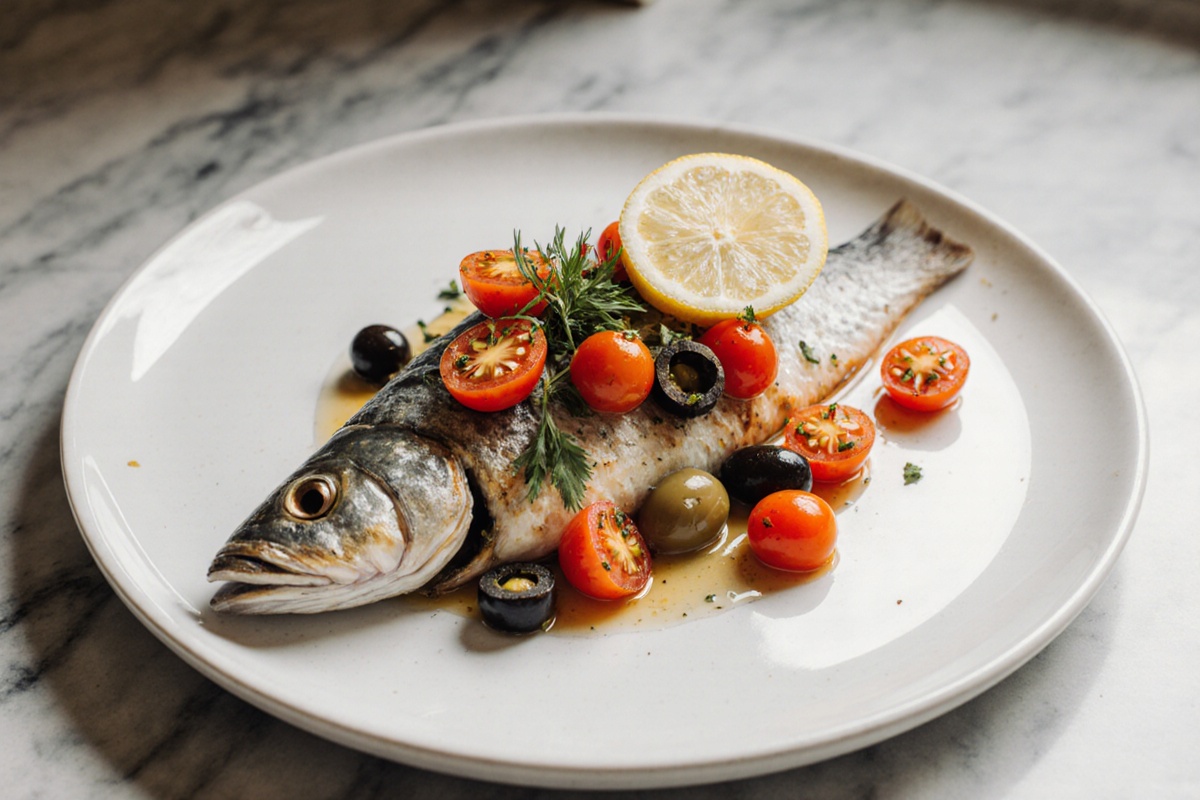
Mediterranean Baked Fish used to be one of those dishes that intimidated me – so many ingredients, and what if I overcooked the fish? After perfecting this simple version, I’m thrilled to say it fits perfectly into a busy weeknight. With just 25 minutes from start to table and minimal cleanup, I promise you can whip this up without breaking a sweat! Each bite is a burst of coastal flavor thanks to the tomato-olive sauce that bakes alongside the fish. Plus, the ingredients are pantry staples, making it a no-fuss meal that tastes anything but ordinary.
Recipe Card – Mediterranean Baked Fish
Mediterranean Baked Fish
Equipment
- Baking Sheet
- Mixing Bowl
Ingredients
Ingredients
- 600 g Firm white fish (e.g., cod, halibut) patted dry
- 200 g Cherry tomatoes halved
- 100 g Olives sliced
- 15 ml Olive oil for drizzling
- 2 cloves Garlic minced
- 5 g Fresh herbs (e.g., parsley, oregano) chopped
- 1 pinch Salt
- 1 pinch Pepper
- 1 lemon Lemon for squeezing
Instructions
- Preheat the oven to 220°C.
- Pat the fish dry and season both sides with salt and pepper.
- In a mixing bowl, combine cherry tomatoes, olives, minced garlic, and herbs. Add olive oil and mix well.
- Arrange vegetables on a baking sheet, then place the fish on top and spoon the tomato-olive mixture over it.
- Bake for about 12-15 minutes, until the fish flakes easily and reaches an internal temperature of 63°C.
- Finish with a squeeze of lemon juice before serving.
Notes
Why You’ll Love This Mediterranean Baked Fish
Quick and Easy 25-Minute Meal
This Mediterranean Baked Fish shines when you need dinner in a hurry. From start to table, you’re looking at about 25 minutes, with the oven doing most of the work. Preheat the oven to 425°F and arrange a single sheet pan for easy cleanup. I’ve burned plenty of longer meals in the past, so I love a dish that comes together without fuss. This one fits the bill, keeping the focus on bright, coastal flavors that feel special without complicating your evening.
The magic happens with the tomato-olive sauce that bakes right with the fish, infusing each bite with tangy sweetness and a hint of briny flavor. The prep is straightforward: pat the fish dry, season lightly, and set up a bed of vegetables that will roast into a fragrant base. Trust me, this step makes all the difference in texture and flavor. You’ll be surprised how vibrant a simple combination can taste when it bakes together.
If you’re cooking for kids or guests who enjoy lighter fish, this dish delivers a familiar, comforting result without heavy sauces or breadcrumbs. The aroma alone tells you you’re in for a wholesome dinner. And since it uses pantry staples, it’s easy to whip up even on busy weeknights.
Healthy and Nutritious Ingredients
This dish embraces wholesome, Mediterranean-inspired produce. Firm white fish provides lean, high-quality protein that’s easy on portions and budget. Tomatoes add vitamin C and a touch of natural sweetness, while olives and olive oil contribute heart-healthy fats that help you absorb flavors fully. Fresh herbs like parsley or oregano brighten the mix, making every bite feel fresh and lively. The overall balance is naturally low in refined carbs, especially if you skip any bread accompaniments, making it friendly for many eating plans.
Using olive oil in moderate amounts adds flavor and a smooth mouthfeel without feeling too heavy. You can expand the vegetable base with seasonal greens or peppers, but the core ingredients stay simple and accessible. If you’re watching sodium, rinse canned olives lightly and balance with taste-tested seasoning as you go. This recipe highlights real, simple ingredients that shine when treated with care.
Perfect for Low-Carb and Keto Diets
This meal fits comfortably within low-carb and keto guidelines, especially when you skip any starch-heavy sides. The combination of fish, tomatoes, olives, and olive oil keeps net carbs modest while delivering satisfying fat and protein. If you want to push it further toward stricter keto, you can skip any optional sweeteners or fruit-based reductions and lean into the bright acidity from tomatoes and lemon. It’s easy to customize with a squeeze of fresh lemon juice at the end for a zesty finish.
For variety, consider swapping in different Mediterranean herbs—dried oregano, thyme, or rosemary can change the vibe without adding carbs. If you’re feeding a crowd with mixed dietary needs, this dish remains a reliable base: protein-forward, flavorful, and naturally portion-friendly. Pair it with a simple green salad or roasted zucchini for balance without sacrificing keto-friendly macros.
Best Fish to Use for Mediterranean Baking
Firm White Fish Options
Ideal choices include cod, halibut, sea bass, and snapper — all sturdy enough to hold up to a saucy topping without falling apart. These fish remain flaky yet maintain their shape when roasted, making the final dish look as good as it tastes. If you’re cooking for a crowd, these options are forgiving and easy to find. Their mild flavor pairs nicely with tomato-olive contrasts, giving you a bright, balanced profile.
If you prefer a richer bite, look for thicker fillets of these same varieties. They won’t dry out as easily, making for a more forgiving bake. Lean options like tilapia can work, but you’ll want to keep a close eye on doneness to prevent overcooking. Ultimately, choose a firm white fish that holds together and won’t disintegrate under the finishing heat.
Why Fresh or Thawed is Crucial
Fresh or properly thawed fish responds best to quick baking with a tomato-olive topping. If you’re using frozen fillets, thaw them fully in the fridge overnight or under cold running water until pliable, then pat dry before seasoning. Even small amounts of extra moisture affect how the fish roasts and how well the sauce clings. Patience here pays off with a silkier texture and more vibrant flavors.
Quality starts at purchase: look for firm, moist flesh, a mild scent, and bright, clean color. Avoid fish with a dull gloss or a squeeze that leaves a chalky impression. If you’re unsure about a fish’s freshness, give it a sniff and a gentle press—good fish should spring back and not feel mushy.
How to Check for Quality
Quality checks are simple and worth doing before you bake. Look for clear, bright eyes (if buying whole fish, eyes aren’t relevant), firm flesh that resists gentle pressure, and a clean, oceanic aroma—not fishy or sour. Gills on whole fish should be bright red or pink and free of slime. For fillets, choose ones that feel moist but not slick with liquid. As a quick doneness cue, the fish should reach an internal temperature of about 145°F (63°C) and flake easily when tested with a fork.
If your fillet looks a bit pale on the edges, that’s often a sign of a thinner cut rather than undercooked. A gentle cover of the tomato-olive sauce can help finish cooking without drying out. When in doubt, focus on texture more than color, and remember that residual heat continues cooking after you remove it from the oven.
Step-by-Step Mediterranean Baked Fish Recipe
Prepping the Fish and Vegetables
Start by patting the fish dry on both sides with paper towels to ensure the seasoning sticks. Lightly season with salt and pepper, then set aside while you slice vegetables like cherry tomatoes, onions, and bell peppers if you’re using them. Arrange a baking sheet with a light coat of olive oil, then spread a thin layer of vegetables to create a roasting base. Place the fish on top or alongside the bed, depending on your pan size. The goal is to create some space so heat circulates evenly. A quick drizzle of olive oil over the top helps the sauce cling and keeps the fillet moist as it bakes. This prep scene is where flavor starts to build.
Next, mix up your classic bed of flavors: tomatoes and olives will bring brightness, while garlic and herbs add fragrance. If you like a splash of caper brine or a squeeze of lemon, keep those extras for later. It’s perfectly fine to adjust the vegetables based on what you have on hand; the dish remains Mediterranean at heart. Don’t crowd the pan; good air flow ensures even cooking and prevents a soggy bottom.
Finally, preheat and wait for the magic to happen. By organizing everything before the oven, you’ll keep the workflow calm and precise. The oven’s heat will work in your favor, braising the sauce and gently cooking the fish in a single pan for minimal cleanup and maximum flavor.
The Classic Tomato and Olive Mixture
This mixture is the flavor anchor: juicy tomatoes, briny olives, a touch of garlic, and a hint of fresh herbs. Combine chopped tomatoes with sliced olives and minced garlic in a bowl, then season lightly with salt, pepper, and a pinch of dried oregano or thyme. If you want brightness, finish with a squeeze of lemon juice after baking. The aroma from this mixture promises the bright, coastal notes to come.
Spread a portion of the tomato-olive mixture into your prepared pan, creating a saucy bed for the fish. Spoon a bit on top of each fillet to help anchor the seasonings and prevent drying. If you’re using canned tomatoes, choose a hearty variety with a bit of sweetness to balance the olives’ salt. A quick taste test at this stage is fine; you’re aiming for a balanced, vibrant base that bakes down into a flavorful sauce.
Baking Instructions and Timing Tips
Bake the fish with the tomato-olive topping at a steady oven temperature of 425°F. Plan for about 12–15 minutes for typical fillets; adjust by thickness — thicker cuts may need a few extra minutes. The sauce should bubble lightly and cling to the fish as it finishes. If you see the sauce bubbling vigorously and the fish hasn’t yet flaked, give it a bit more time while watching closely.
For even cooking, rotate the pan halfway through the bake if your oven has hot spots. If your fish is very thick, consider giving it a couple of extra minutes but check for doneness often to avoid overcooking. Remember, residual heat continues to cook the fish after you pull it out of the oven, so aim for just-before-doneness and let it rest briefly.
How to Know When It’s Done
Doneness is your friend here: fish should be opaque and flake easily with a fork. An internal thermometer is a reliable guide — target around 145°F (63°C) in the thickest part. The sauce should be glossy, and the edges of the fish will pull away from the pan slightly as it finishes. If the top looks a touch dry, a light splash of lemon juice or more olive oil can bring back moisture.
If you notice the fish is cooking too quickly on the edges, lower the oven rack or reduce the heat by about 25°F and let the center catch up. A common mistake is overcooking; if it comes out dry, cover with foil and rest for five minutes, or briefly re-sauce and lightly re-bake for a minute to rehydrate. Practice helps you gauge thickness and timing as you go.
Air Fryer vs. Oven: Which Method is Better?
Oven-Baking for Even Cooking
The conventional oven is excellent when you want even heat and a larger surface area. It lets the sauce simmer and the fish bake gently, giving you consistent texture from edge to center. If you’re feeding a crowd, the oven lets you prepare multiple pans at once with minimal hands-on time. The key is patience with a controlled bake and a reliable thermometer.
Oven-baked Mediterranean fish also gives you more room for vegetables to roast and soften in the same pan. The flavors have time to meld, and the sauce thickens slightly as it cooks. For hands-off reliability, you can set a timer and let the oven do the heavy lifting while you prep a simple side dish or a green salad.
Air Frying for Speed and Crispiness
Air frying offers speed and a crispier edge, which some folks love for texture contrast. It’s a great option when you’re short on time or want a little extra sweetness from lightly roasted edges. Keep in mind that air fryers circulate hot air more aggressively, so you may need to monitor closely to avoid overcooking.
A few tips: preheat the air fryer if your model recommends it, place the fish in a single layer, and avoid overcrowding. You’ll likely reduce the cooking time by a few minutes; start checking at around 8–10 minutes for fillets and adjust as needed. If you like a little extra sauce, finish with a quick splash of olive oil after cooking.
Temperature and Time Adjustments
If you switch to air frying, reduce the temperature by about 25°F and check earlier—you may shave several minutes off the bake. For oven cooking, the standard guidance remains: bake at 425°F for 12–15 minutes, depending on thickness. If your fillet is particularly thick, you can extend by 2–4 minutes, watching closely for doneness. Use a thermometer to confirm 145°F in the center for best results.
Always adjust based on your equipment; ovens and air fryers vary. The goal is to keep the fish moist and flaky while giving the topping a gentle, inviting glaze. A quick rest after baking helps the juices redistribute, ensuring every bite is tender and flavorful.
Variations and Serving Suggestions
Greek, Italian, and Spanish Twists
For a Greek-inspired version, add crumbled feta near the end and finish with fresh dill and lemon zest. Italian twists shine with a pinch of dried oregano, basil, and a subtle drizzle of balsamic reduction. A Spanish touch comes from smoky paprika, sliced olives, and a splash of sherry vinegar to brighten the sauce. Each variation keeps the core fish and tomato-olive base while offering distinct regional vibes.
If you keep a well-stocked pantry, you can switch up these variations without changing the core recipe. These tweaks are fantastic for weeknight dinners that still feel special. The flexibility makes it easy to customize the dish to what you and your guests enjoy.
Best Side Dishes for Serving
Pair this fish with a light green salad, a simple quinoa pilaf, or roasted vegetables like zucchini and peppers for a complete meal. A fresh, lemony kale salad adds brightness without overpowering the main dish. For a heartier option, serve with warm, crusty bread to soak up the sauce. If you want extra greens, a side of garlicky sautéed spinach works beautifully.
You can also balance the meal with a chilled cucumber-yogurt sauce or a dollop of hummus on the side. The goal is to provide a refreshing contrast to the rich, savory topping. These sides keep the Mediterranean theme cohesive and approachable for any dinner.
Adding Feta, Artichokes, or Capers
Feta adds a creamy tang that pairs well with the tomatoes and olives. Artichokes bring a delicate sweetness and a hint of Mediterranean flavor, while capers offer a briny bite that brightens the dish. Use any combination you like, but a light hand is best to avoid overpowering the fish’s delicate flavor. You can add these toppings after baking or stir them into the tomato mixture just before serving.
If you’re cooking for kids or guests who prefer milder flavors, you can skip the capers and keep feta optional. The heart of the recipe remains approachable, but you still get that vibrant, lemon-kissed base that makes this dish so appealing.
Video: MEDITERRANEAN BAKED FISH WITH POTATOES & OLIVES
FAQ – Mediterranean Baked Fish
Best Type of Fish to Use
Firm white fish such as cod, halibut, sea bass, or snapper works best for Mediterranean baking. Their textures hold up to the tomato-olive topping without breaking apart. If you only have tilapia or another lighter fish, treat it as a quicker-cooking option and watch doneness closely.
Baking Time for Mediterranean Fish
For most fillets, bake at 425°F for about 12–15 minutes. Thicker fillets may need a few extra minutes; thinner cuts finish faster. Always rely on an internal temperature of 145°F and a flake test for doneness. Rotate the pan if you notice uneven cooking, especially in ovens with hotspots.
Using Frozen Fish
Thaw fish completely before baking for best texture and even cooking. Pat dry after thawing to remove excess moisture. If you must bake from frozen, add extra minutes and monitor doneness with a thermometer, understanding the results may vary. The sauce can help rehydrate the fish slightly, but thawing first yields the best texture.
Healthiness of the Recipe
This dish emphasizes lean protein, healthy fats, and vegetables, with minimal added sugars or refined carbs. It’s a balanced option that aligns well with Mediterranean eating patterns. The olive oil contributes heart-healthy fats, and the tomatoes supply vitamins and antioxidants. Overall, it’s a satisfying, nourishing choice for weeknights and special meals alike.
Serving Suggestions
Great with a bright green salad or a simple side of sautéed greens. A wedge of lemon on the side makes the dish feel extra fresh. For a heartier pairing, serve it with crusty bread or a small portion of couscous. You can also dress it up with a dollop of yogurt-herb sauce for extra creaminess.
Conclusion
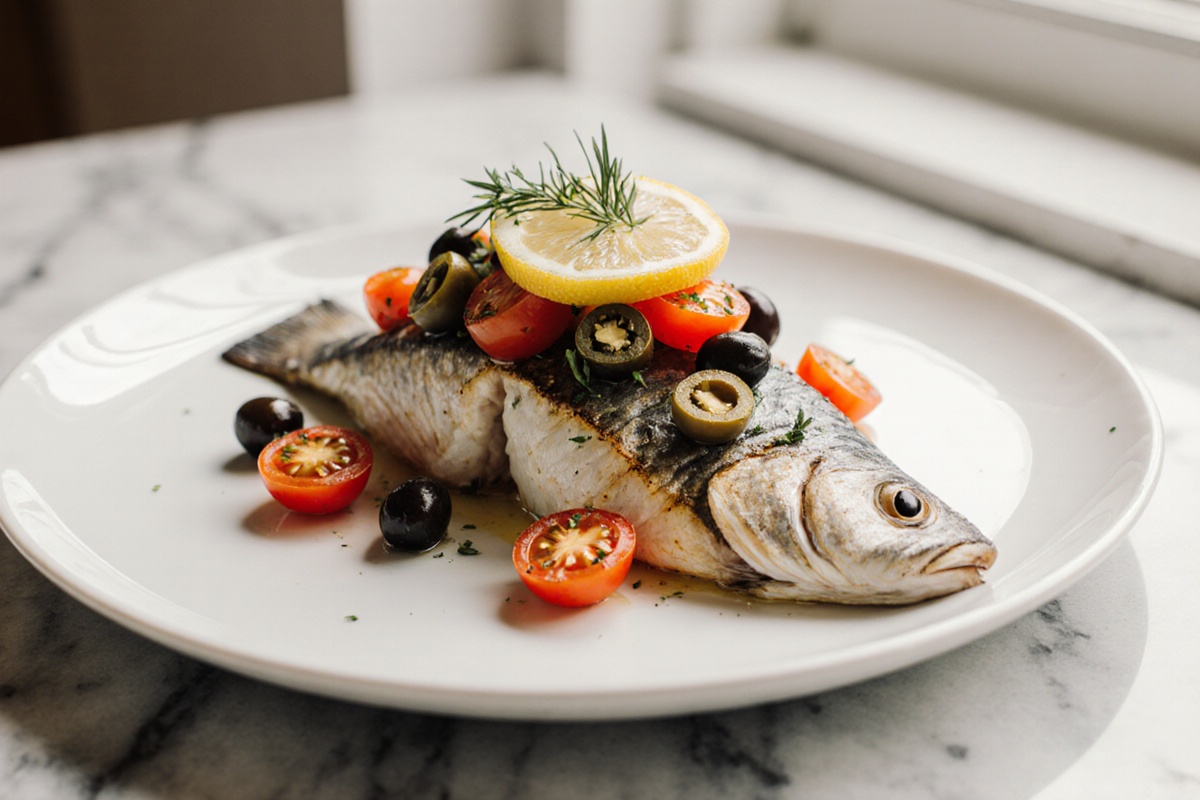
When you pull that Mediterranean Baked Fish out of the oven, you’ll be greeted with a colorful display of tomatoes and olives, with the fish glistening and perfectly flaky. The aroma – oh man, it fills the kitchen with warm, inviting scents that scream comfort and flavor. With its bright colors and robust taste, it looks like it belongs in a fancy restaurant, but it’s all yours with just a few simple steps. Give it a try – you might be surprised how simple and satisfying this recipe can be on a busy weeknight.