
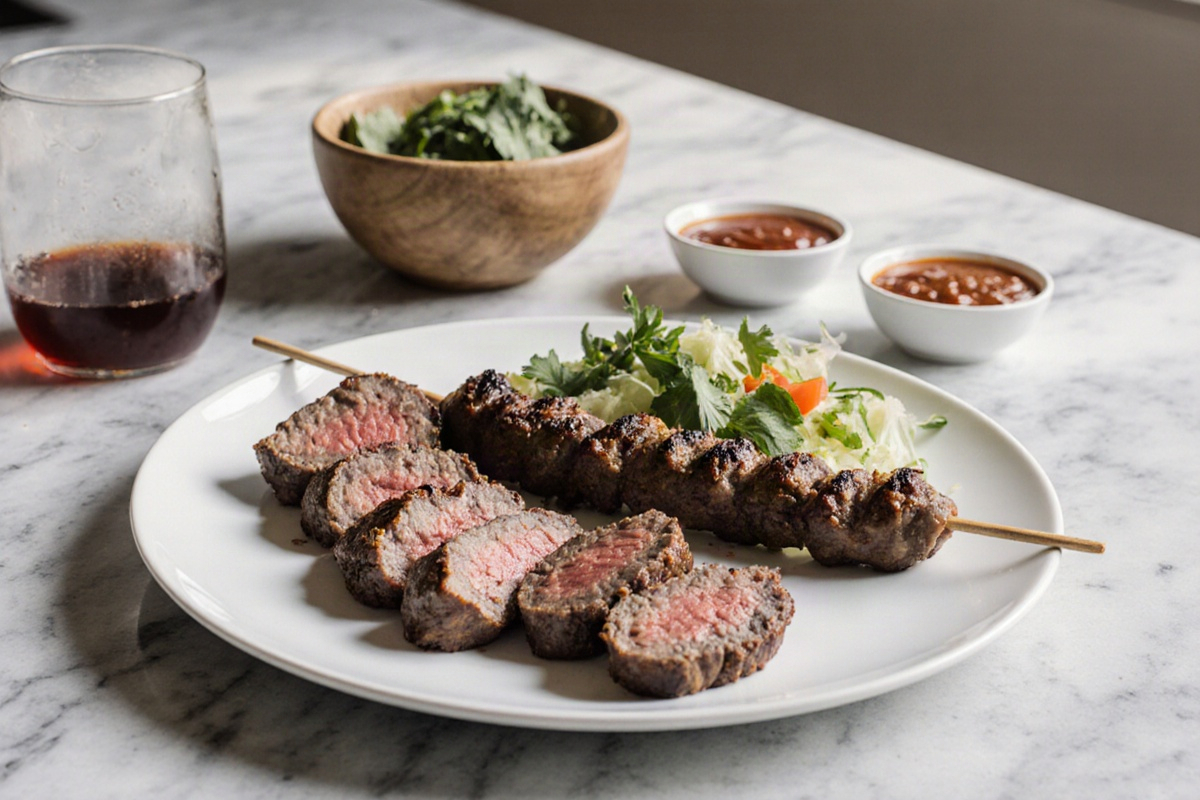
Beef Doner Kebabs used to be a dish I reserved for special occasions, since they seemed tricky to nail down. But after a few tries and some tasty failures, I created a version that’s perfect for a weeknight dinner. This recipe is simple, uses ingredients you probably have on hand, and delivers big on flavor without taking up all your time. Trust me, once you see how easy it is to get that delicious crust and juicy interior at home, you’ll want to make these again and again.
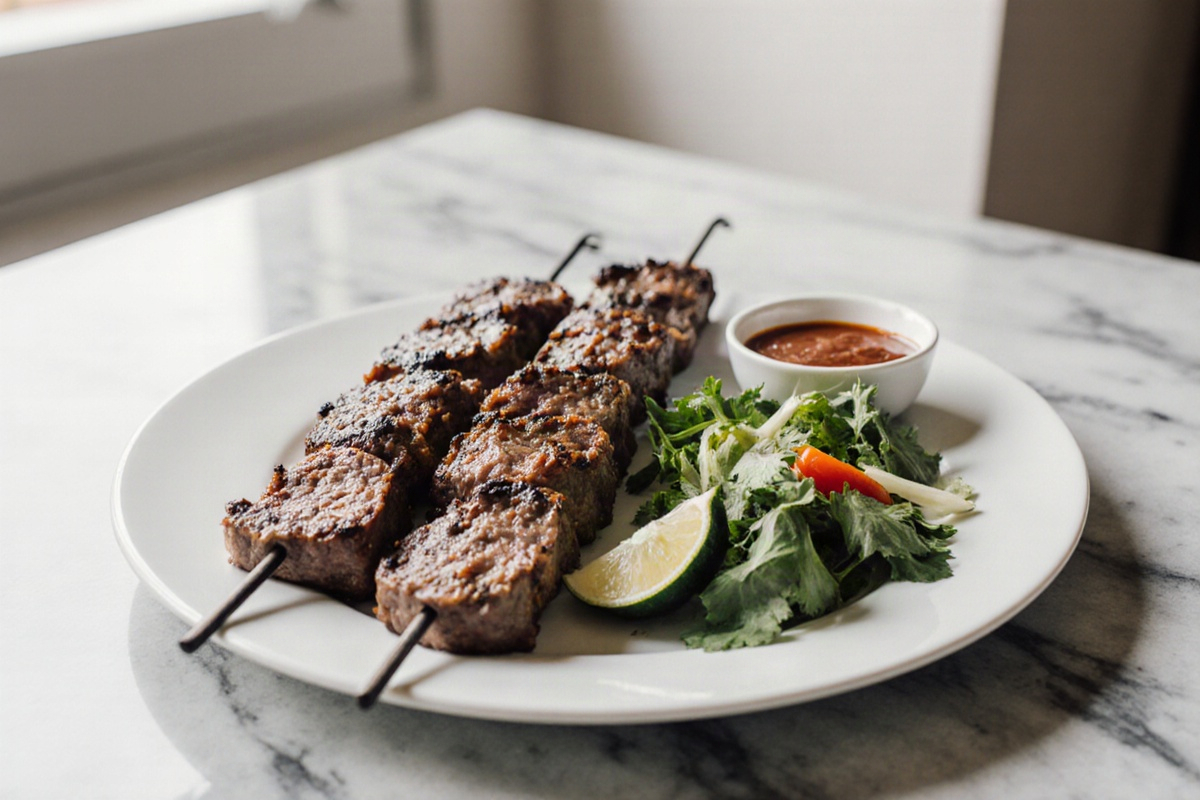
Recipe Card – Beef Doner Kebabs

Beef Doner Kebabs
Equipment
- Air Fryer
- Mixing Bowl
- Skewers
Ingredients
Ingredients
- 600 g Beef lean cut, cubed
- 30 ml Olive oil for marinade
- 15 g Garlic minced
- 10 g Paprika smoked or sweet
- 5 g Cumin
- 5 g Salt to taste
- 5 g Black pepper to taste
- 1 g Lemon juice
Instructions
- In a mixing bowl, combine the cubed beef, olive oil, garlic, paprika, cumin, salt, pepper, and lemon juice. Mix well and let marinate for at least 15 minutes.
- Preheat the air fryer to 200°C. Shape the marinated beef into logs or strips.
- Place the beef in a single layer in the air fryer basket and cook for about 15 minutes, shaking the basket halfway for even cooking.
- Once cooked, remove from the air fryer and let the beef rest for a few minutes before slicing.
- Serve the sliced beef doner kebabs with your choice of vegetables, sauces, or wraps.
Notes
What Are Beef Doner Kebabs
Flavor Profile and Origin
Beef Doner Kebabs showcase the joy of traditional grill-and-slice cooking, serving up meat that is savory with a delightful crust and juicy center. The look and aroma come from a well-seasoned exterior that develops during cooking, balancing rich beef flavor with a hint of smoke and caramelization. In my kitchen, this dish inspires me to layer flavors through marinade, a great sear, and careful slicing to recreate that iconic, crave-worthy experience.
Beef doner kebabs draw from a classic technique of slow-cooked meat shaved from a rotating source. While the exact regional origins can vary, the main idea remains the same: tender meat with a flavorful exterior that carries the spices and aroma from cooking. This recipe adapts that tradition for everyday cooking, so you can enjoy the signature texture and richness without any fancy equipment or a spit.
Why This Recipe Works for Home Cooks
This method is friendly for home cooks, offering a simple path to bold taste without needing professional gear. By focusing on thin slices or small chunks, you maximize surface area for searing and browning, creating that sought-after crust while keeping the inside tender. You can use an air fryer, skillet, or oven, making it easy to fit into a busy weeknight schedule while still achieving restaurant-quality results.
The steps emphasize practical methods you can trust: marinating to boost flavor, shaping for even cooking, and finishing with a crisp edge. I’ve definitely charred a batch or two — that’s how I learned to pay attention to dryness and balance heat with enough resting time. With the right timing and temperature, and a quick, high-heat finish, you’ll get a satisfying bite every time, even in a regular home kitchen.
Beef Doner Kebab Nutrition
Calories and Macros per 100g
The calorie content for beef doner kebabs varies depending on the cut of beef, the fat level, and how much marinade stays on the meat. Generally, you’ll find a protein-rich profile, with fats adding to flavor and mouthfeel, while carbohydrates stay low unless you add extras like fillers or sauces. Sodium content depends on the seasonings and any curing agents used. This section focuses on the idea of macros rather than fixed numbers, since the specifics depend on your chosen ingredients and portion size.
When we consider nutrition per 100 grams, keep in mind that leaner cuts will lean toward higher protein with less fat, while marinated meat can pack in more flavor but also more sodium. If you’re tracking intake, balance the meat with lots of vegetables and a modest portion of grain or bread. The idea is to enjoy your dish while keeping an eye on serving size and marinade usage. A flexible approach helps you tailor the nutrition to fit your goals.
Calories and Macros per Serving
A serving of beef doner kebabs usually includes some meat plus accompaniments like sauces, veggies, or bread. Since serving sizes can vary, the total calories and macros will depend both on the amount of meat you serve and what you pair it with. If you’re going for a lighter meal, serve with a big side salad and skip heavy sauces; for something heartier, add grains or pita and a richer yogurt-based topping. The protein in each serving helps with fullness, while the fat content will vary based on how lean the beef is and the oil left behind after cooking.
From a health standpoint, lean beef with mindful portioning can be a satisfying, protein-packed choice. Just watch out for higher sodium from marinades and sauces, as well as any added fats from cooking. Balancing your plate with vegetables and a light, yogurt-based sauce can really improve the overall nutritional profile without giving up on flavor.
Health Benefits and Drawbacks
The high protein content in beef doner kebabs is a big plus, as it supports satiety and muscle maintenance. When cooked just right, the meat stays tender and tasty, helping you feel satisfied with fewer calories. This method also encourages you to cook at home, giving you control over ingredients, portion sizes, and sodium levels. Pairing with fresh vegetables adds fiber, vitamins, and minerals to your meal.
On the other hand, some versions can be higher in sodium due to spice blends and marinades. Fat content will depend on the cut you choose, so going for lean beef helps keep those calories in check. If you’re keeping an eye on cholesterol or saturated fat, consider opting for leaner cuts and watch your portions. Overall, with balanced sides and smart seasoning, beef doner kebabs can be a nutritious and satisfying option.
How to Make Beef Doner Kebabs
Ingredients
The star of the show is beef, along with a simple set of seasonings to build depth without overshadowing the meat’s natural flavor. Look for ingredients that help with tenderness and browning, plus any aromatics you enjoy for a richer finish. This section offers a practical, home-friendly list that doesn’t require anything fancy.
As you gather your ingredients, consider how each one adds to the final crust and juiciness. The goal is to create a cohesive flavor profile that’s adaptable to what you already have in your pantry. If you’re cooking for kids or guests with different tastes, you can simplify the seasoning while keeping the core technique intact. Trust me, a straightforward ingredient list can yield amazing results.
Marinade and Shaping
Marinating beef infuses flavor deep into the meat and can tenderize it, especially with tougher cuts. Shape the marinated meat into a log or compact strip to maximize contact with the heat and encourage even browning. This shaping step is important because a uniform surface area ensures consistent searing and reduces the risk of uneven cooking.
I’ve discovered that pressing the meat lightly to remove excess marinade before cooking helps achieve better browning. A thin, uniform shape makes slicing easier later and ensures that each bite has a good crust. If you have a little extra time, letting the meat rest after shaping can enhance juiciness and texture; otherwise, you’re ready to get cooking.
Air Fryer Time and Temperature
Preheat the air fryer to a hot, even setting to ensure quick browning and a crispy exterior. Arrange the shaped beef in a single layer to get even exposure to the hot air, turning or shaking the basket halfway through for a uniform color. Cook until you see a nice brown crust and feel that the interior is firm to the touch.
If you’re unsure about timing, aim to finish when the surface is nicely caramelized and the meat is cooked through. A quick rest afterward lets the juices redistribute. This method gives you much of the texture you want without needing a traditional vertical spit or a large oven. Just a friendly reminder: keep an eye on the edges so they don’t over-brown.
How to Slice and Serve
Slice the meat as thinly as possible against the grain for maximum tenderness and a nice presentation. Thin slices reveal the crust you worked hard to develop and ensure every bite is flavorful. Serve the shaved meat with your favorite accompaniments, whether wrapped in flatbread, paired with veggies, or served over a simple salad.
If you want to add a “restaurant feel,” pile the meat on a warm platter and drizzle with a light sauce or yogurt topping. The goal is to keep the contrast between the crusty outside and juicy inside, so slice thin and serve promptly to maintain that great texture.
Tips for Best Texture and Flavor
How to Keep Meat Juicy
Juiciness comes from avoiding overcooking and letting the meat rest after cooking. Slice the meat thinly and steer clear of a dry, crumbly finish. Marinade helps retain moisture, while a quick rest distributes juices, preventing them from escaping when you cut into the meat.
A practical tip is to let the meat rest for a few minutes after cooking before slicing. This small step matters for moisture retention and overall tenderness. If you notice the surface starts to dry out, a light brush of the marinade or a tiny splash of oil can refresh the juiciness while you finish slicing.
How to Get Crispy Edges
High heat is your friend for crisp edges, whether you’re pan-searing, air-frying, or broiling. Make sure the surface is dry before cooking to promote browning and avoid steaming. A quick, hot finish toward the end of cooking helps develop that desirable crust without drying out the inside.
If the edges aren’t crispy enough after cooking, a quick blast under a hot broiler or a second pass in the air fryer can work wonders. Just keep a close watch on them so you don’t burn the tips. A well-placed crust adds great texture and flavor that makes every bite better.
Time-Saving Prep Tips
Marinade ahead if your schedule allows; it deepens flavor without extra work on cooking day. You can pre-shape portions and refrigerate them for quicker meal prep. Use parchment paper or a tray to keep everything organized, and label batches so you can grab and go.
Batch-prepping is your ally here: portion out the meat for multiple meals, refrigerate for a couple of days, or freeze for longer storage. Thaw safely before cooking to keep the texture, and keep seasonings light when freezing to avoid flavor loss. With a little planning, you’ll save time during weeknight cooking while still serving up great flavor.
Variations and Sides
Regional and International Variations
Different regions put their own twist on the idea, often adjusting spices, marinades, and serving styles to reflect local ingredients and tastes. You can adapt the core technique to suit your preferences by varying seasonings and the way you finish the meat, keeping the dish approachable yet full of flavor.
Experimentation is part of the fun. By swapping in different spice blends or finishing sauces, you can create your own twist on the same method. The flexibility of this approach means you can personalize beef doner kebabs for your pantry, dietary needs, and family preferences.
Best Side Dishes
Pair your kebabs with a bright, crunchy salad and a light yogurt-based topping for balance. Fresh herbs and vegetables provide contrast to the rich meat, and simple flatbread or warm pita can turn the meal into a satisfying wrap. A crisp cucumber salad or a fresh tomato-onion salsa brings a nice lightness to the plate.
For something heartier, try a grain like couscous or rice alongside the kebabs for a complete, balanced dish. A dollop of yogurt or a drizzle of tahini can add creamy tang and moisture to each bite. The right sides transform beef doner kebabs into a complete and comforting meal.
Video: Viral Doner Kebab Recipe Everyone Is Making
FAQ – Beef Doner Kebabs
Question: Can I use other meats?
Answer: You can adapt the method for chicken, lamb, or turkey, but keep in mind different cooking times and marinating needs.
Question: Can I bake instead of air fry?
Answer: Yes — you can bake or pan-sear to achieve a similar crust and tenderness, adjusting time to ensure the meat is cooked through.
Question: Is this dish kid-friendly?
Answer: With mild seasoning and simple toppings, it can be a hit with kids; you can scale back heat and spice levels as needed.
Question: How can I keep the meat juicy?
Answer: Juiciness comes from not overcooking and from proper resting after cooking. Let the meat rest for a few minutes before slicing to retain moisture.
Conclusion
When you finally pull your Beef Doner Kebabs out of the air fryer or oven, you’ll be greeted by a golden-brown crust that promises a textural delight. The aroma wafting through your kitchen is nothing short of mouthwatering, and as you slice into the tender meat, that juicy interior glistens invitingly. These kebabs strike the perfect balance between rich flavor and satisfying texture, making for a dish that feels both special and achievable. So, give it a try – you might be surprised how simple and satisfying this recipe can be on a busy weeknight.