
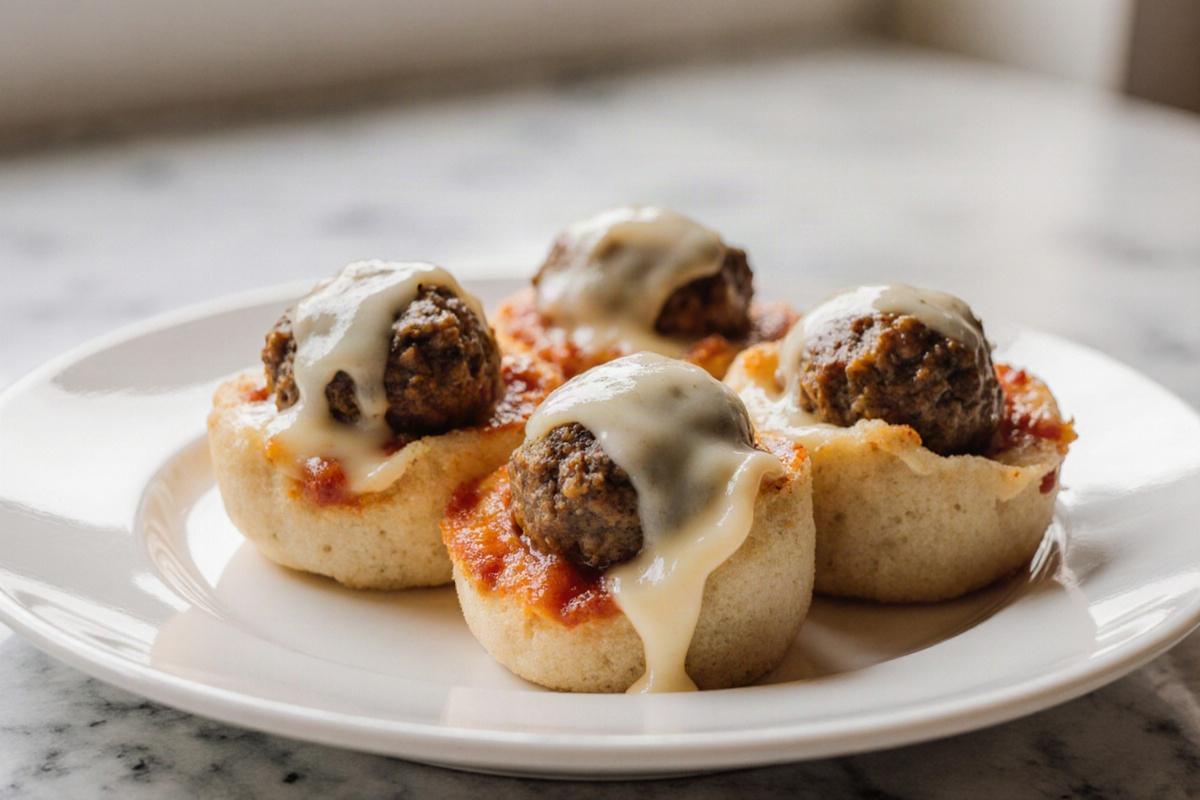
Cheesy Meatball Pockets used to be one of those dishes I avoided because I thought they’d be too tricky, but I was wrong. After some experimenting, I found a way to make these pockets easy and stress-free, perfect for any weeknight. They’re quick to assemble, flexible with ingredients, and the result is a melty, comforting delight that’s perfect for snacking or dinner. Trust me, once you try this recipe, you’ll see how fun and satisfying it is to whip up these delectable pockets at home.
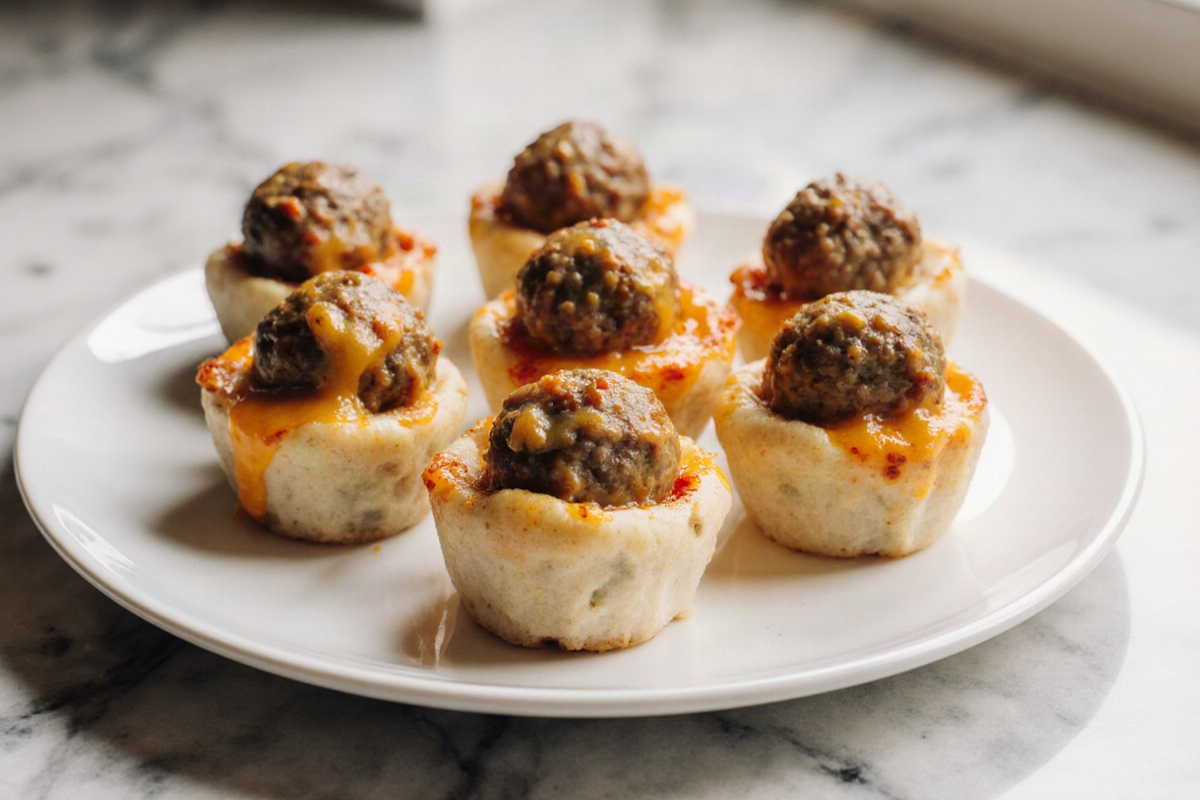
Get ready to indulge in these cheesy delights!
Recipe Card – Cheesy Meatball Pockets
Cheesy Meatball Pockets
Equipment
- Oven
- Air Fryer
- Mixing Bowl
Ingredients
Ingredients
- 500 g Meatballs homemade or store-bought
- 200 g Cheese sliced or shredded
- 1 pack Puff pastry or pizza/bread dough
- 15 ml Olive oil for brushing
- 1 tsp Garlic powder
- 1 tsp Italian herbs
- 1 pinch Salt
- 1 pinch Pepper
Instructions
- Preheat your oven to 200°C (or the air fryer if using).
- Roll or unfold your dough, cut it into pockets or circles, and place a small amount of filling in the center.
- Seal the edges firmly to avoid leaks, then brush them with olive oil.
- Bake until the crust is golden and the cheese is melty, about 15 minutes.
- Let them rest briefly after baking so the filling sets, making it easier to eat.
Notes
What Are Cheesy Meatball Pockets?
Why They Are So Popular
Cheesy Meatball Pockets are a comforting, portable dish that brings together savory meatballs and gooey cheese wrapped in tender dough. They’re perfect for family dinners, after-school snacking, or gatherings. Trust me, I’ve accidentally charred a few plain rolls before, but these pockets stay moist and flavorful when you seal them well and bake until golden.
They’re loved because they combine familiar flavors with the fun of handheld convenience. The cheese pull is irresistible, and the bite-sized format makes sharing a breeze. Plus, you can adapt them to whatever you have in your kitchen—leftover meatballs, different cheeses, or a mix of herbs—making them a reliable choice when you want something warm and satisfying.
Best Dough Options
Your choice of dough can really affect the texture and ease of preparation. Puff pastry gives you a flaky, shiny outside with quick prep, while pizza or bread dough provides a heartier bite and sturdier pockets. Making your own dough allows you to control flavor and gluten development, which can really make a difference.
It’s all about what fits your schedule. For weeknight dinners, puff pastry is incredibly convenient. If you’re up for a weekend project, making a basic bread dough can lead to a sturdier pocket that can handle extra fillings. Whatever you choose, chilling the dough a bit helps with sealing and shaping.
Flavor Profile and Texture
You can look forward to a warm, comforting mix of savory meat, melty cheese, and a lightly crisp crust. The filling should be juicy but not runny, with cheese weaving through for that signature stretch. The dough serves as a soft cradle that nicely contrasts with the crisp outside when baked correctly.
Texture is all about balance: a crisp edge, a tender center, and a generous cheese pull. Seasonings like garlic, herbs, and a touch of tomato sauce amplify the meatball flavor without overshadowing it. I like to finish with a light brush of butter or olive oil for extra shine and richness.
Cheesy Meatball Pockets Nutrition
Calories and Macros per Serving
The calories in a single Cheesy Meatball Pocket can vary depending on size and fillings. Typically, you’ll find a nice mix of protein from the meat, carbs from the dough, and fats from the cheese. To lighten things up, you can cut back on cheese or go for leaner meat, and use whole-grain dough for added fiber.
If you’re keeping an eye on macros, think about creating a balanced plate: a protein-rich filling, moderate carbs from the dough, and cheese for flavor and fat. Pairing it with a simple salad or some veggies helps round out the meal. Just remember, portion sizes matter since the pockets can get hefty when you load them up.
Key Vitamins and Minerals
Meat gives you iron and zinc, while cheese brings calcium and some vitamin A to the table. Depending on what you fill them with, you can add spinach, tomatoes, or peppers for more vitamins C, K, and folate. If you use whole-grain dough and add veggies, you’ll bump up the fiber and mineral content.
A well-rounded pocket can be a family-friendly source of protein and calcium. Grilling or baking them gently helps maintain nutrient content. Serving them alongside a colorful side dish can really boost the overall nutrition profile.
Healthier Ingredient Swaps
Switch to lean ground turkey or chicken for a lighter meat option, or mix pork with turkey for added moisture without too much fat. Use part-skim or reduced-fat cheese to cut calories while keeping that melty goodness. For dough, opt for whole-wheat or a blend with oats to increase fiber.
Throw in finely chopped veggies like peppers, spinach, or mushrooms to the filling for color and nutrition. If you’re avoiding dairy, give plant-based cheese that melts well a try. These swaps let you enjoy Cheesy Meatball Pockets without the guilt.
How to Make Cheesy Meatball Pockets
Ingredients
Keep it simple with standard ingredients: meatballs or ground meat, cheese (either sliced or shredded), dough (puff pastry, pizza dough, or bread dough), and a basic seasoning mix (salt, pepper, garlic, Italian herbs). A light sauce or marinara adds moisture and tang, while optional greens or sautéed veggies can boost flavor and nutrition.
If you want a straightforward version, go with pre-made meatballs, a handful of mozzarella, and ready-to-roll dough. If you’re after a richer finish, drizzle some olive oil, sprinkle grated Parmesan, or add a little oregano. Remember, keep the filling balanced—not too much, or it might ooze out when sealing.
Step-by-Step Instructions
Roll or unfold your dough, cut it into pockets or circles, and place a small amount of filling in the center. Seal the edges firmly to avoid leaks, then bake until the crust is golden and the cheese is melty. Let them rest briefly after baking so the filling sets, making it easier to eat.
If you’re using meatballs, layer a couple of cheese slices and a spoonful of sauce inside each pocket before sealing. For an extra glossy finish, brush the tops with a light egg wash before baking. You want those pockets to look inviting and bronze, not pale.
Air Fryer Time and Temperature
Preheat your air fryer to a moderate heat. Arrange the pockets in a single layer with some space between them. Cook until the outside is golden and the cheese is melted. Check after the first few minutes to avoid over-browning.
In practice, you’ll want steady, medium-high heat and keep an eye on them to prevent sogginess. You can flip them once if your model benefits from even browning. The air fryer is fantastic for a quick, crispy finish, especially when you don’t want to use the oven.
Tips for Crispy, Cheesy Results
How to Seal the Dough
Seal the dough securely by pinching the edges thoroughly and crimping with a fork if you need to. A tight seal stops cheese from leaking and ensures the pocket stays intact during baking or air frying. If the dough pieces are large, consider folding the edges inward and sealing with a bit of egg wash or water.
Chill the assembled pockets for a few minutes before baking to help the filling set. A cold filling reduces leaks and gives you crisper edges when baked. I’ve found that checking the seal before cooking saves a lot of mess and frustration.
How to Prevent Soggy Centers
Surface moisture is your enemy here. Pat the fillings dry, drain any sauce, and avoid overfilling. Bake at a higher heat to firm up the crust quickly, creating a barrier that keeps the inside from getting soggy.
Choosing the right dough thickness makes a difference too: too thin can tear, while too thick may trap moisture. A light brush of oil or butter on the outside adds crispness and flavor. If pockets start to soften, a quick re-crisp in a hot oven or air fryer can save the day.
Best Make-Ahead and Freezer Tips
You can assemble pockets up to a day in advance and refrigerate them unbaked. Freezing unbaked pockets works well—just freeze them on a tray first, then transfer to a bag for long-term storage. Bake or air-fry them straight from the freezer, adding a few extra minutes if needed.
Shaping and sealing before freezing helps maintain their shape. Label with the date and contents to keep track. Thawing isn’t strictly necessary for freezer-baked pockets, but if you choose to thaw them, let them sit at cooler room temperature for even cooking.
Cheesy Meatball Pocket Variations
Regional and International Ideas
Transform this into a European-inspired treat with Italian sausage and mozzarella, or use spiced lamb and feta for a Mediterranean touch. Use curry-seasoned meat with cheddar for a South Asian or fusion twist, or go Latin with seasoned beef, Monterey Jack, and a sprinkle of cilantro.
Dips and sauces can change the vibe: marinara for a classic touch, yogurt-tahini for a Middle Eastern flavor, or a smoky chipotle mayo for something with a kick. Regional variations let you customize pockets for your dinner table or potluck. Get creative and share your favorites.
Sauce and Cheese Swaps
Mozzarella is always a solid choice for melting, but you can mix in cheeses like provolone, cheddar, or fontina for extra depth. For a tangy touch, blend cheese with a bit of cream cheese or ricotta. Swapping sauces—marinara, alfredo, or pesto—opens up new flavor possibilities without changing the core technique.
A lighter option is to use tomato passata with herbs and a splash of olive oil. For a creamy touch, fold a bit of béchamel into the cheese before stuffing; it creates a richer bite. Just make sure the filling holds together when you take a bite.
Best Side Dishes
Pair Cheesy Meatball Pockets with a crisp green salad for some balance, or serve alongside roasted vegetables for added color and texture. A light soup, like tomato or minestrone, makes a comforting starter or lunch buddy. For something heartier, consider a small grain side like quinoa or couscous.
Warm bread or garlic knots can complement the doughy goodness, while fresh fruit provides a refreshing end. A simple yogurt dip or marinara for dipping gives you some customization without any extra hassle. These sides help create a complete, satisfying meal.
Frequently Asked Questions
Make Ahead Options
For make-ahead strategies, you can assemble pockets and freeze them unbaked, then bake them straight from frozen. You can also prep the fillings ahead of time and store them in the fridge, mixing them with the dough when you’re ready to bake. Just label and date everything to keep it simple.
If you’re short on time, use pre-made dough and store-bought meatballs to speed up the process. Reheating leftovers is easy: warm gently in a covered pan or re-crisp in the oven to restore texture. These options keep weeknights stress-free.
Best Dough Types
Dough choices really affect texture and flavor. Puff pastry gives flaky, quick results, while pizza dough offers a chewier bite and better stretch. Bread dough creates substantial pockets that stand up well to thicker fillings.
For the best results, pick dough that fits your desired texture and your time constraints. If you’re craving a crispy crust, puff pastry is often unbeatable. But for a heartier, more filling bite, go for bread or pizza dough.
Preventing Sogginess
To avoid sogginess, drain your fillings well, don’t overfill, and use a hot oven or air fryer for a crisp finish. Letting them rest briefly after baking helps the filling set, reducing leaks when cut. A light brush of oil on the exterior also contributes to crisp edges.
Another trick is to seal well and work with dry surfaces. The more moisture you remove before sealing and baking, the crisper your result will be. I’ve learned that careful prep keeps pockets looking delicious and presentable.
Using Homemade Meatballs
Making your own meatballs gives you control over fat and flavor. Mix lean ground meat with some breadcrumbs, egg, and seasonings, then bake or pan-fry until cooked through before stuffing. For extra juiciness, grate a little onion or mushroom into the mixture.
If you’re looking for speed, you can quickly pan-sear pre-made meatballs and use them as your filling. Either way, your pockets get a boost from well-cooked meatballs that stay flavorful and hold together inside the dough.
Reheating Leftovers
Gently reheat to prevent the pockets from drying out. Using the oven or air fryer is better for preserving texture than microwaving. Cover or wrap to keep moisture in, and heat until the cheese is melty and the interior is hot.
If you notice the crust getting soft, a brief trip in a hot oven or air fryer will crisp them right back up. Leftovers still taste great with a fresh dollop of sauce or a quick sprinkle of herbs. Just don’t overcook, or they’ll lose their tenderness.
Freezing Tips
Freeze assembled pockets on a tray first to keep their shapes intact, then move them to a freezer bag. For best texture, freeze before baking and cook them from frozen, adding extra time as needed. For baked pockets, let them cool completely before freezing.
Label with the date and contents. Thawing isn’t necessary if you’re baking from frozen, but a short rest at room temperature can help with even cooking. Freezing is a handy way to turn a batch into multiple quick meals.
Best Melting Cheese
Choose cheeses known for good melting: mozzarella, provolone, fontina, or blends of cheddar. Mixing can add both stretch and flavor. For extra creaminess, folding in a bit of cream cheese or ricotta with the cheese helps.
Avoid hard cheeses that don’t melt well. If you’re looking for stronger flavor, grate cheese fresh instead of using pre-shredded varieties which can have anti-caking agents. The cheese you pick really defines the pocket’s signature gooey pull.
Video: Cheesy Meatball Pockets
FAQ – Cheesy Meatball Pockets
What can I do if the dish turns out too dry?
Next time, consider adding a bit more fat or moisture to your filling, like a splash of sauce or a little extra cheese. You can also check on them halfway through baking to see if they need more time or if you can lower the heat to prevent drying out.
Can I use frozen meatballs instead of homemade?
Absolutely! Frozen or pre-made meatballs save time and are a convenient way to get that hearty filling without extra prep. Just make sure to warm them through before stuffing them into the pockets, so they’re nice and juicy when served.
How do I prevent soggy centers?
Pat any fillings you’re using dry and avoid overfilling the pockets. Also, make sure your dough seals tightly – a good seal keeps moisture contained and helps keep the centers from becoming too wet during baking.
Can I make these ahead of time?
Yes! Assemble the pockets and refrigerate them ready to bake when you’re set to eat. You can also freeze them unbaked and cook straight from the freezer whenever you’re ready for a quick meal.
What are the best dipping sauces for Cheesy Meatball Pockets?
Marinara is a classic pairing that complements the pockets beautifully. For something a bit different, a yogurt sauce or a zesty chipotle mayo can add a fun twist. Experiment with your favorites!
Conclusion
Once you pull these Cheesy Meatball Pockets out of the oven, the aroma is enough to draw everyone into the kitchen. The golden crust looks inviting, and when you take a bite, the gooey cheese and savory meat perfectly blend together. They’re crispy on the outside while remaining soft and comforting on the inside. I can almost hear the cheers from the family already! Give it a try – you might be surprised how simple and satisfying this recipe can be on a busy weeknight.