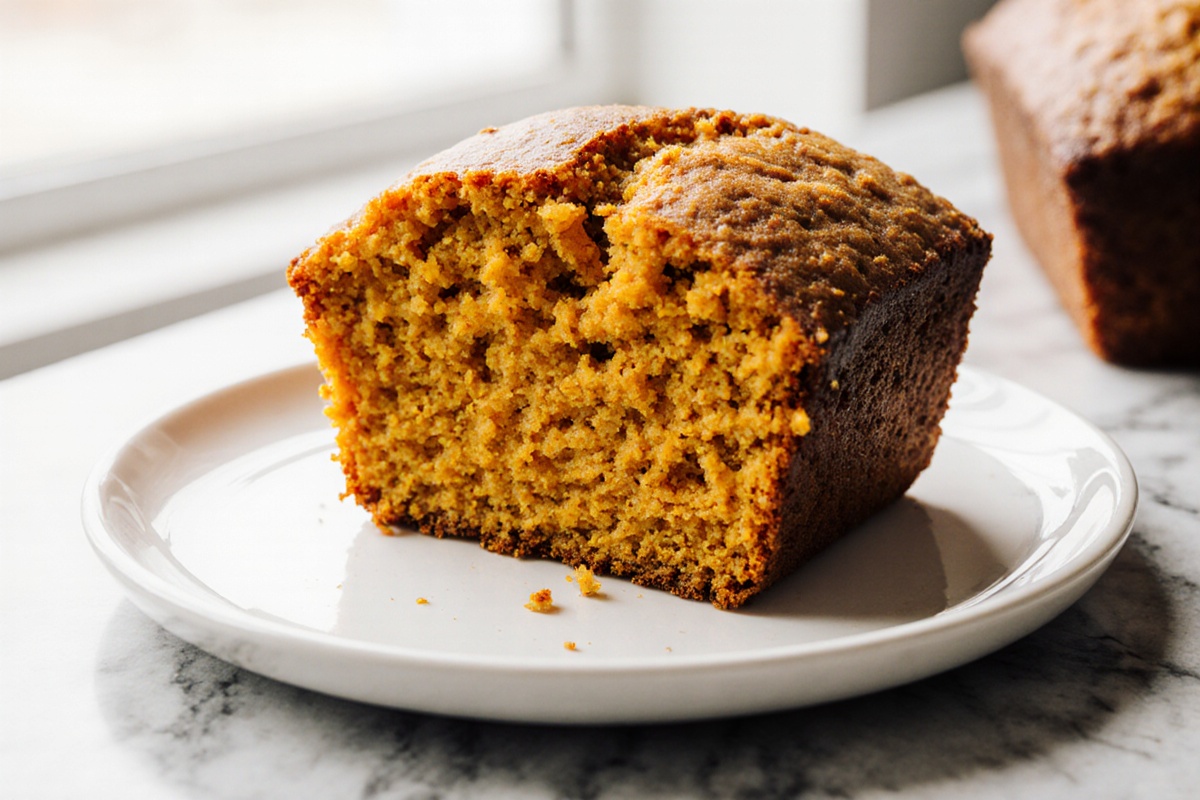
Sweet Potato Cornbread used to be one of those dishes I shied away from making because it felt a bit tricky. But after fine-tuning my approach, I discovered a recipe that’s as quick as it is satisfying. You’ll be amazed at how simple it is to whip up, and the results are worth it: a tender crumb, a touch of sweetness, and just enough texture to make every bite delightful. Whether you’re pairing it with chili or serving it on a holiday table, this recipe promises to be a hit, without taking hours of effort.
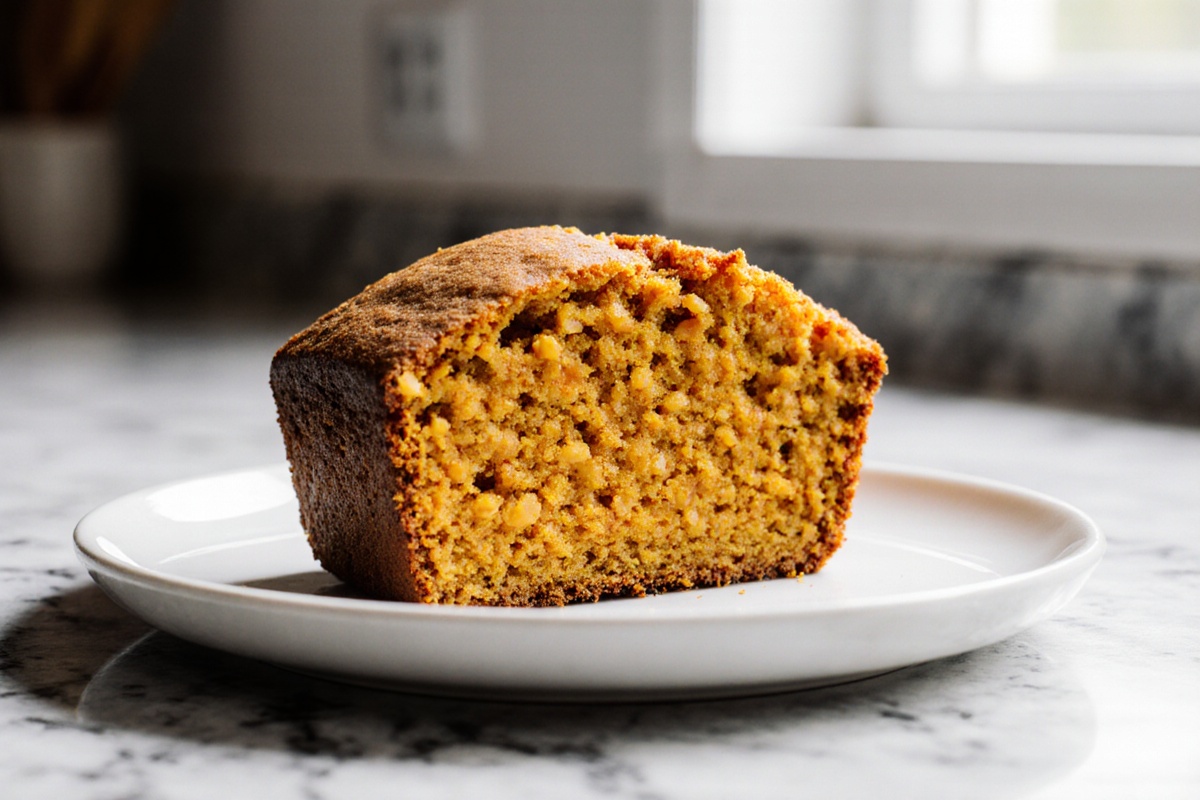
Recipe Card – Sweet Potato Cornbread
Sweet Potato Cornbread
Equipment
- Baking pan
- Mixing bowls
- Whisk
Ingredients
Ingredients
- 300 g Mashed sweet potato
- 200 g Cornmeal
- 100 g All-purpose flour
- 10 g Baking powder
- 5 g Salt
- 60 ml Milk (or dairy-free alternative)
- 60 g Butter (or oil)
- 2 pieces Eggs
Instructions
- Preheat your oven to 190°C and prepare a suitable baking pan by greasing it.
- In one bowl, whisk together the cornmeal, flour, baking powder, and salt.
- In another bowl, mix together the mashed sweet potato, milk, melted butter, and eggs until smooth.
- Gently fold the wet mixture into the dry ingredients until just combined; do not overmix to ensure a tender crumb.
- Pour the batter into the greased baking pan and bake for about 30 minutes or until the center is set and the top is golden brown.
- Let the cornbread cool for a few minutes before slicing to ensure clean edges.
Notes
What is Sweet Potato Cornbread?
A Southern Comfort Food Classic
Sweet potato cornbread is a delightful mix of bright orange sweetness and hearty cornmeal. It’s like getting a warm hug from the South! This dish takes traditional cornbread, throws in some mashed sweet potato for extra moisture and color, and creates a tender crumb with just a hint of natural sweetness. I’ve come to love how the starch from the potato makes the texture lighter while the cornmeal keeps that satisfying rustic feel. This is the kind of dish that turns weeknight dinners into something special and brings laughter to family gatherings.
This classic goes wonderfully with bold toppings or simple sides, pairing perfectly with greens, chili, or just a smear of butter. The flavor is approachable without being overwhelming, making it a great introduction to the idea that cornbread can be more than a plain side. It’s also forgiving for those still getting used to their kitchen rhythm, yet memorable enough to feel festive. Trust me, taking the step towards a vibrant cornbread is totally worth it.
Ideal for Holidays and Gatherings
Sweet potato cornbread truly shines during holiday meals and casual get-togethers. It adds a pop of color to the table, making it more inviting, and its slightly sweet flavor pairs beautifully with savory main dishes. When you have a crowd to feed, this loaf-like bread cuts cleanly, reheats well, and can be made ahead with ease. It helps bring together rustic comfort with seasonal produce.
What I love most is how forgiving it is for big servings. You can bake a larger batch and freeze any extras for future get-togethers, then simply reheat slices as needed with hardly any difference in texture. If you’re hosting, think about offering a warm bread basket filled with sweet potato cornbread alongside chili, roasted vegetables, or a garden salad. It’s a conversation starter and makes the table feel more inviting without requiring hours in the kitchen.
Flavor Profile and Texture
The flavor of sweet potato cornbread blends the natural sweetness from the potato with the toasty, nutty goodness of cornmeal. The result? A more complex taste than plain cornbread, with a comforting earthiness that won’t overshadow savory dishes. Expect a moist and tender texture that still has a pleasant crumbly bit around the edges.
As it bakes, you’ll enjoy a warm aroma filling your kitchen, and the crust can turn just crisp if you bake it in a hot pan. This nice balance between a soft inside and slightly crisp edges gives the bread that extra special touch. If you’ve ever burned cornbread, you’ll know how sweet potato helps keep everything moist and forgiving. It’s a dependable flavor profile that fits right into everyday meals and holiday tables alike.
Perfect Sweet Potato Cornbread Recipe
Ingredients You’ll Need
A simple set of staples can create a satisfying sweet potato cornbread. You’ll usually rely on mashed sweet potato for moisture and color, cornmeal for texture, and a touch of flour to provide structure. Leavening helps it rise, while dairy or a dairy-free alternative adds richness. Eggs work as a binder, and a fat like butter or oil keeps the crumb tender. The specific amounts can vary with different recipes, but these ingredients are the core of a good loaf.
If you like a lighter texture, you might want to change the ratio of sweet potato to cornmeal. For a richer finish, consider adding a little more butter or a splash of milk. Remember, finding the right balance is key: enough sweetness to complement, but not overpower the savory notes. I’ve found starting with a traditional ratio and adjusting slowly gives the best results. Don’t hesitate to trust your taste buds as you mix.
Step-by-Step Instructions
First, preheat your oven and prepare a suitable baking pan. The process is straightforward: whisk the dry ingredients in one bowl, then mix the wet ingredients in another until smooth. Gently fold the wet mix into the dry until just combined—overmixing can toughen the crumb, so keep it easy. Pour the batter into a hot, greased pan to encourage a crisp edge and an even bake.
Bake until the center is set and the top is golden brown. The exact baking time will depend on your pan and oven, but you want a firm loaf that springs back slightly when pressed. Let the loaf cool for a bit before slicing to keep those edges nice and clean. If you’ve ever rushed a cornbread and ended up with bits falling apart, you’ll know how important a gentle bake and some resting time can be. Following this step-by-step method yields slices that hold together nicely and stay moist.
Tips for Success
- Don’t overmix the batter; it could lead to a tougher crumb. Mix just until combined for a light, tender slice.
- Preheat the pan or skillet to develop a crisp, flavorful crust on the outside. The heat really does make a difference.
- Check for doneness with a toothpick or skewer; it should come out with a few crumbs, not wet batter, in the center.
- If the loaf browns too quickly, loosely cover it with foil to prevent burning while it finishes baking.
- For an extra touch, add a pat of butter right before slicing; it gives the bread shine and depth.
Nutrition Facts and Health Benefits
Average Nutritional Values
Nutritional values for sweet potato cornbread can differ based on the recipe and portion size, but sweet potatoes bring fiber and complex carbohydrates along with a natural sweetness that helps cut down on added sugar. Cornmeal provides a hearty texture and some minerals, while dairy or dairy-free options contribute protein and fats for satiety. The balance of ingredients can affect calorie content and macros, allowing you to adjust a serving to suit your dietary needs.
Just keep in mind that a single slice can be a satisfying part of a meal. If you’re mindful of portions, think about pairing it with extra veggies or some lean protein to balance the plate. This bread shines best as part of a balanced meal, rather than as a stand-alone snack.
Vitamins and Minerals
Sweet potatoes offer beta-carotene (a precursor to vitamin A) and dietary fiber, which support eye health and gut wellness. Cornmeal adds some B vitamins and minerals that aid energy metabolism. Depending on the recipe, dairy ingredients can also provide calcium and more protein. While I’m not breaking down every vitamin, together, the loaf’s components deliver a comforting boost of nutrients.
Health Benefits and Drawbacks
The perks of sweet potato cornbread come from the moisture and fiber in sweet potatoes along with the satisfying, slower-digesting carbs from cornmeal. Enjoyed in moderation, it can fit nicely into a balanced meal and serve as a comforting, nutrient-friendly option. A potential downside is that it can be calorie-dense if made with lots of fat or sugar; proper portion control helps maintain your daily goals.
If you’re gluten-sensitive, remember that cornmeal is naturally gluten-free, but many recipes use wheat flour for structure. Always check ingredient labels or substitute with a gluten-free blend if necessary. Overall, it’s a tasty side that pairs well with veggies and proteins without compromising your dietary needs.
Common Mistakes to Avoid
Overmixing and Texture Issues
One of the most common missteps is overmixing the batter; this can lead to a dense or crumbly loaf instead of a light, tender crumb. The fix is easy: mix until just combined and resist the urge to whisk vigorously once you add the wet ingredients to the dry. A gentle touch keeps the crumb delicate and pleasant to eat.
Another trap is not preparing the pan correctly, which can cause sticking or uneven crust. I’ve learned through experience that making sure the pan is well-greased or seasoned can significantly improve texture and presentation. Trust me, taking a moment to prep the pan pays off in a cleaner slice and a crisper edge.
Ensuring Proper Leavening
Leavening is what makes cornbread rise, but getting it wrong can throw off the balance. Stick to the amount your recipe calls for and avoid substitutions that mess with the rising chemistry. If your loaf appears dense, a small tweak in leavening or mixing can often help. It’s amazing how a slight change can lift the crumb from flat to airy.
Another common issue is uneven rising due to inconsistent oven temperature. If your oven has hot or cold spots, rotate the pan halfway through baking for more even browning and consistent texture. A steady bake results in slices that cut neatly and hold their shape.
Checking for Doneness
To tell if it’s done, look for a set center and a lightly browned top, not just color alone. Insert a toothpick or thin skewer into the center; it should come out with a few moist crumbs. If wet batter sticks, give it a little more time and check again.
Avoid frequently opening the oven, as that can drop the temperature and mess with even cooking. Once you take the loaf out, let it rest for a short while; this allows the interior to firm up, so the slices don’t crumble. A properly tested loaf will slice cleanly and stay moist.
Delicious Variations and Serving Ideas
Regional and International Variations
Across the country and around the world, cooks add their own takes on sweet potato cornbread with unique regional flavors. You might find a little kick from peppers in the South, herbs and cheese in the Midwest, or a touch of heat from chilies in the Southwest. Some variations lean toward sweeter flavors with hints of cinnamon or vanilla, while others keep it simple to complement heartier stews.
If you’re cooking for a crowd with different tastes, think about keeping the basic loaf classic and offering add-ins on the side, like chopped green onions, shredded cheese, or sliced jalapeños for guests to customize their slices. The bread’s forgiving nature makes it a versatile base for all kinds of flavors.
Pairing Suggestions
Sweet potato cornbread pairs wonderfully with chili, greens, roasted veggies, and smoky meats. A little butter or a light drizzle of honey brings out its natural sweetness, while a tangy salsa or salsa verde can brighten the crust. It even works for breakfast when toasted lightly and served with eggs and coffee.
For a complete meal, think about a simple salad and a hot side of greens; the sweetness from sweet potatoes balances out the bitterness of greens, making the meal feel well-rounded. The bread also holds its own against bold sauces, making it a practical choice for potlucks and family gatherings.
Vegan and Gluten-Free Options
To make a vegan version, replace eggs with a plant-based binder and use dairy-free milk and vegan fat. You’ll still achieve a moist crumb and a flavorful loaf without any animal products. For gluten-free needs, swap wheat flour for a gluten-free blend while keeping the cornmeal; many blends replicate traditional texture when used in cornbread.
If you’re going gluten-free, ensure all ingredients are certified gluten-free to avoid any cross-contamination. A bit of experimentation with vegan butters, plant milks, and gluten-free blends can lead to a delicious loaf that everyone will love.
Video: Sweet Potato Cornbread #onestopchop
FAQ – Sweet Potato Cornbread
Making Vegan Sweet Potato Cornbread
A vegan version uses plant-based binders and dairy-free milk plus a fat substitute. You’ll achieve a moist, flavorful loaf by replacing eggs with flax or chia eggs and using a butter substitute or oil. The taste remains comforting, and the texture holds well when you balance moisture and fat. I’ve found that a well-measured vegan swap still delivers a crumb that’s happy to be sliced.
How to Prepare Sweet Potato Puree
For puree, bake or microwave a sweet potato until tender, then scoop the warm flesh and mash smoothly. Add a bit of milk or water to reach your desired consistency, then fold into the batter as directed. The puree should be smooth, without lumps, to ensure an even distribution of sweetness and moisture in the crumb.
Cast Iron vs. Baking Pan
Cast iron pans give a deeply browned crust and a rustic appearance; they’re a classic choice for cornbread. A baking pan or sheet yields a softer crust but is easier for quick setup and cleanup. If you’re aiming for the quintessential crust, go with cast iron; for convenience, choose a standard baking pan.
Storing Leftovers
Wrap leftover slices tightly and store in the refrigerator for several days, or freeze for longer keeping. Reheat gently to preserve moisture and prevent drying out. If you notice dryness after storage, a quick brush of butter or a light drizzle of honey can revive its richness.
Gluten-Free Version
A gluten-free version uses a gluten-free flour blend in place of wheat flour, while keeping the cornmeal for texture. Ensure your blend includes a binder or add one (like xanthan gum) if your mix lacks it. Taste and texture should remain comforting and moist, with a crust that still invites a bite.
Conclusion
When you take that first slice of Sweet Potato Cornbread, you’ll be greeted by a warm, inviting aroma and a beautiful golden crust. The edges have a delicate crispness, while the inside remains wonderfully moist and fragrant with sweet potato goodness. Each bite is a comforting mix of sweetness and hearty cornmeal that feels just right for any meal. So go ahead, give this recipe a shot – I think you’ll find it’s easier than you might have thought and incredibly satisfying.