
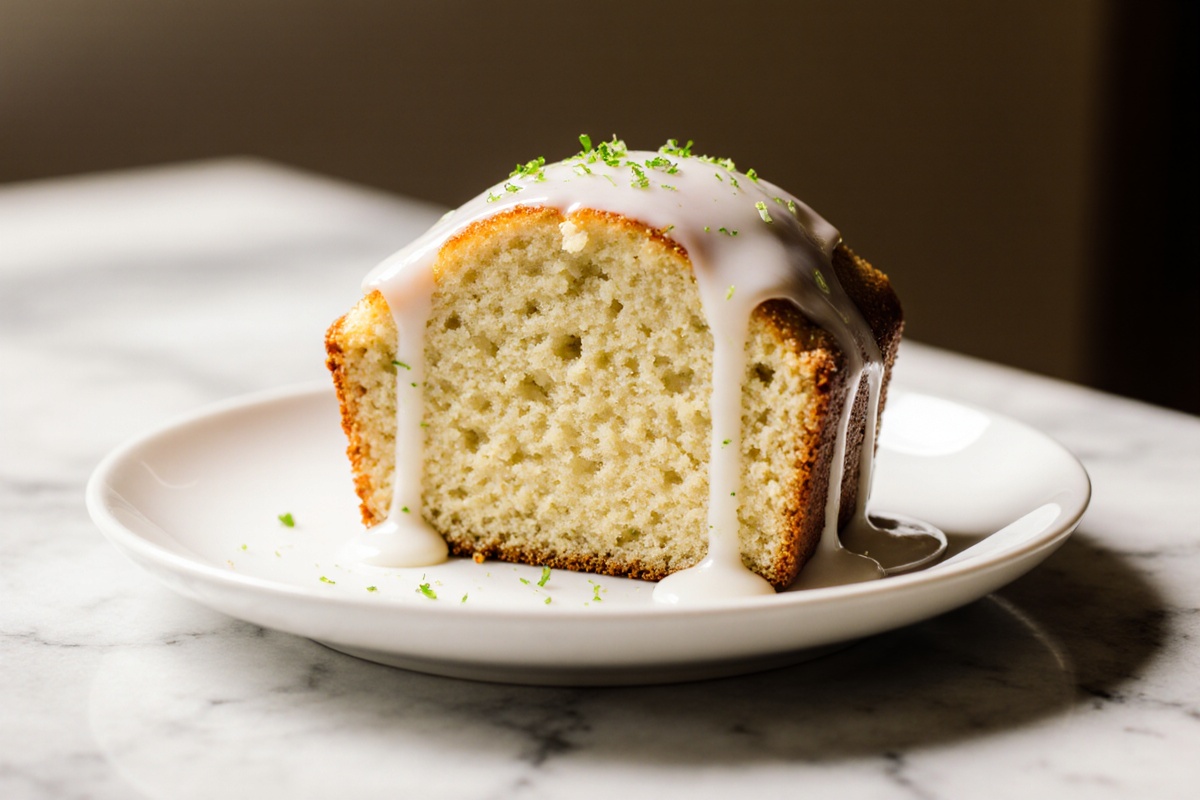
Key Lime Pound Cake used to intimidate me. It felt like one of those desserts reserved for special occasions, easily overbaked or under-flavored. Yet, after a few rounds of trial and error, I’ve discovered a method that makes it a breeze. The steps are straightforward, the ingredients are simple, and the flavor is refreshing without the fuss. Once you try this recipe, I bet it’ll become a staple you whip up in no time, impressing friends and family alike.
Recipe Card – Key Lime Pound Cake
Key Lime Pound Cake
Equipment
- Loaf Pan
- Mixing Bowl
- Whisk
- Cooling rack
Ingredients
Ingredients
- 250 g All-purpose flour
- 200 g Granulated sugar
- 125 g Unsalted butter softened, at room temperature
- 3 large Eggs at room temperature
- 60 ml Fresh lime juice
- 1 tbsp Lime zest
- 1 tsp Baking powder
- 1 pinch Salt
- 125 g Powdered sugar
- 15 ml Lime juice (for glaze)
Instructions
- Preheat your oven to 175°C (350°F). Grease and flour a loaf pan, or line it with parchment paper.
- In a mixing bowl, cream together the softened butter and granulated sugar until light and fluffy.
- Add the eggs one at a time, mixing well after each addition.
- In another bowl, whisk together the flour, baking powder, and salt.
- Gradually add the dry ingredients to the wet ingredients, alternating with the lime juice and zest, mixing until just combined.
- Pour the batter into the prepared loaf pan and smooth the top.
- Bake for 50-60 minutes or until a toothpick inserted into the center comes out clean.
- Allow the cake to cool in the pan for 10 minutes, then transfer to a wire rack to cool completely.
- For the glaze, whisk together powdered sugar and lime juice until smooth and drizzle over the cooled cake.
Notes
What Makes Key Lime Pound Cake Special
The Story Behind Pound Cake
Key Lime Pound Cake has a unique story baked into every slice, and this part helps you understand why this dense, buttery loaf remains a cherished dessert for bright citrus lovers. The concept of a pound cake is fairly straightforward—richness, structure, and a reliable crumb—but it’s the way bakers put their spin on this classic recipe that keeps it fresh and exciting. By adding lime flavor to the traditional pound cake base, you end up with a dessert that’s perfect for both everyday family meals and special celebrations. I find that treating this cake as a versatile base opens the door to all kinds of delightful experiments while keeping that comforting texture intact.
In practice, the tradition of pound cake is all about balance and reliability. This Key Lime Pound Cake takes that dependable foundation and adds a lively, aromatic citrus twist. The outcome is a dessert that feels familiar yet refreshingly bright. Whether you’re a seasoned pro or new to baking, you’ll notice how the zing of lime brightens the butter-rich crumb without taking over the flavor. That balance is what makes this cake feel both timeless and modern.
I love how this flavor profile can change with just a few small adjustments. Trust me, this method—keeping the crumb sturdy, boosting the lime, and topping it with a simple glaze or cream cheese frosting—always leads to a slice that begs for a second piece. The kitchen becomes a place where comfort and sunshine intersect, and that’s what makes Key Lime Pound Cake so delightful.
Key Lime in Desserts
Key lime stands out from other citrus fruits in desserts, and understanding its characteristics can help you make the most of its bright personality. The tangy, aromatic lime notes balance the rich, buttery base of a pound cake, preventing the sweetness from feeling overwhelming. The acidity of the lime also helps keep the cake moist and tender, making each bite feel lively rather than overly sweet. Plus, the zest and juice add a fragrance that lingers—so be sure to include the zest if you want that extra kick.
Beyond flavor, lime adds a splash of color and a clean finish that pairs perfectly with glaze, frosting, or even a dollop of whipped cream. The citrus aroma complements the richness of dairy, providing a refreshing contrast that makes this dessert suitable for guests or a simple weeknight treat. When you slice into the loaf, you’ll notice how the brightness of lime is present in the aroma, tempting you to take another bite.
As you bake with Key Lime Pound Cake, you’ll discover why bakers love using lime in desserts. The lime’s tang combines beautifully with the cake’s structure, creating a balanced and satisfying dessert that isn’t overly sweet. That harmony is why this treat remains a favorite in many households.
Why This Flavor Combo Works
The pairing of lime with a rich pound cake showcases a wonderful balance. The acidity of the lime cuts through the fat, keeping the crumb light rather than heavy, while the zest adds a floral, lemony brightness that enhances the vanilla and dairy notes. This combination keeps each slice feeling lively, even with that comforting texture. It’s a simple contrast that never feels harsh, which is why Key Lime Pound Cake goes perfectly with either glaze or frosting.
Another benefit is versatility. That same cake base transitions easily from a simple everyday treat to an attractive centerpiece when you add a glossy lime glaze or top it with tangy cream cheese frosting. The result is a dessert that can shine for guests or stay casual for a family meal. If you’re seeking a reliable cake that shines with flavor and setting, you can’t go wrong with this flavor pairing.
What You’ll Need: Ingredients and Alternatives for Key Lime Pound Cake
Key Baking Ingredients Explained
Every successful bake starts with knowing what each ingredient does. Flour provides structure, while sugar adds sweetness and moisture. Butter brings richness and tenderness, and eggs help bind the batter, allowing it to rise and stay together. Fresh lime zest and juice add a tart brightness that cuts through the richness. A pinch of salt brings out the flavor, and a little bit of baking aid makes the cake rise and stay moist. This section focuses on how each element supports the overall balance of a Key Lime Pound Cake.
If you need to adapt for dietary preferences, be mindful of how substitutions will affect texture and flavor. For instance, using some butter alongside neutral oil can change the crumb; switching to dairy-free butter may alter the mouthfeel slightly. Your aim should be to keep the cake moist, flavorful, and evenly baked, so think about how any change might impact the overall balance. With these basics in mind, you can tailor the recipe to what you have in your pantry while keeping that key lime essence alive.
Understanding these functions also helps when you plan substitutions for lime flavor. If you can’t find lime zest or juice, there are alternatives that can bring some citrus brightness, but know that the flavor might shift. The goal is to maintain the distinct lime aroma and tartness that characterize Key Lime Pound Cake, while ensuring a satisfying, sturdy crumb that’s easy to slice.
Quality Butter and Eggs: Why They Matter
Butter and eggs are the foundation of any pound cake, and using quality ingredients makes a noticeable difference. Rich, unsalted butter adds depth of flavor and a tender crumb, while eggs contribute moisture, structure, and the ability to hold the batter together. Room-temperature ingredients mix better, helping you achieve a smoother batter without too much effort. When you want a soft, cake-like texture, the quality of these two ingredients is essential.
Pay attention to the freshness and storage of your butter and eggs. Fresh eggs at room temperature blend smoothly with butter, resulting in a more uniform crumb and better rise. If you need to use cold ingredients, give them a bit more mixing time to combine. For the best results, avoid overmixing once the dry ingredients meet the wet ones; a gentle approach helps keep the crumb tender and the glaze or frosting smooth on top.
Fresh Lime Juice Versus Alternatives
Fresh lime juice is the best option for true lime brightness, but if you’re low on fresh fruit, there are practical alternatives. Fresh zest brings that essential citrus aroma that’s tough to replicate with bottled juice alone, and a bit of zest goes a long way in brightening the batter. If you have to use alternatives, bottled lime juice can work in a pinch, but you might find it has a milder aroma and slightly different acidity. The key is to balance the tartness and sweetness so the lime stands out without overwhelming the cake.
When using bottled juice, taste as you go and adjust with a bit more zest or sugar if necessary. If you choose to skip fresh juice altogether, consider a small drop of lime-flavored extract to mimic those citrus notes, but use it sparingly to avoid an artificial aftertaste. Ultimately, aim for a bright, citrus-forward flavor that complements the buttery crumb rather than masked it.
Optional Add-Ins for Fun Variation
This cake is a flexible base, and some smart add-ins can change it up without complicating your baking process. A sprinkle of lime zest or a hint of vanilla can enhance both the citrus and sweetness. You can also fold in shredded coconut for a tropical twist or sprinkle in poppy seeds for a subtle crunch. If you want more flavor depth, a touch of grated white chocolate or some cream cheese frosting on top can elevate the lime.
As you experiment, remember to keep the balance in check. Too many add-ins can weigh down the crumb or compete with the lime’s delightful tang. Start off with one or two additions and see how it turns out, then tweak it for future bakes. The goal is to amplify the core character of Key Lime Pound Cake, not overshadow it with extras.
How to Bake the Key Lime Pound Cake: Step-by-Step Instructions
Preparation and Getting Organized
Before you even mix a scoop of batter, set up your space. Grease and flour your pan or line it with parchment to ensure the cake releases easily. Gather your butter, eggs, flour, sugar, lime zest, juice, and any optional add-ins. Having everything measured and ready makes moving through each step smoother and reduces the chance of overmixing. I always start by washing my hands and placing a cooling rack nearby so I can take my time at the finish without rushing.
Getting organized also means checking that your ingredients are at the right temperature. Room-temperature butter and eggs combine more easily, resulting in a uniform batter with a finer crumb. If this is your first go at the recipe, keep a few mock reads handy—like a small bowl of batter to check texture—so you can anticipate what to expect. This careful preparation pays off when the batter comes together with a glossy sheen and a smooth, cohesive feel.
I’ve burned the odd batch when I’ve rushed through prep, so take your time here. A calm kitchen yields a better cake, and that calm starts with a clean, organized workspace. By the time you’re whisking the wet and dry ingredients, you’ll appreciate the solid groundwork you’ve laid for a perfect bake.
Perfecting the Creaming Technique
Creaming butter and sugar properly is the foundation of a tender crumb. Beat them together until the mixture turns pale, fluffy, and airy—this means air pockets have formed and the batter will rise evenly. Start at a moderate speed and gradually increase, scraping down the bowl as needed so every bit of butter gets mixed in. You want a light and creamy texture—not greasy or grainy.
Next, add the eggs one at a time, allowing each one to emulsify before adding the next. This step helps keep the batter from splitting and ensures a smooth, cohesive crumb. If the mixture looks curdled, don’t worry—just keep mixing and it will come back together. A stable emulsion captures moisture and contributes to that distinctive pound-cake texture you’re aiming for.
I’ve found that timing matters when creaming to get the best flavor and texture. Trust the feel of the batter: when it’s thick, glossy, and holds its shape, you’re ready for the next step. I’ve learned that patience in this stage pays off when it comes to a cake that slices beautifully and stays moist.
Combining Dry and Wet Ingredients
When mixing your dry and wet components, do it gradually to avoid overworking the batter. Alternate your additions—start with some dry, then a portion of wet, and repeat—this keeps everything combined without developing too much gluten. Your goal is to have a smooth batter that holds its shape after baking. Gently fold in the lime zest and juice as you go, and be careful not to overmix so you don’t lose that bright citrus aroma.
A gentle touch is important here. If you mix too much, the crumb can turn out tougher, which is less desirable. If you’re adding optional ingredients, fold them in near the end to preserve their texture. The end result should be a glossy, cohesive batter that’s ready to become a delicious, citrus-infused treat.
Baking Temperature and Time
Preheat your oven to the right temperature for a dense loaf, then bake the cake until the center tests clean and the top is lightly golden. The exact baking time can vary based on your pan and oven, so start checking a little earlier if you’re using a different type of bakeware. A toothpick or skewer should come out with just a few moist crumbs. If the center looks domed or jiggles, give it a bit more time, but don’t overbake, as that can dry out the crumb.
Throughout baking, try not to open the oven door too often; sudden temperature shifts can lead to uneven rises. When using a tube pan or a standard loaf pan, adjust your approach as needed, but keep your goal in sight: a set center, a fragrant cake, and a lightly golden top. When in doubt, pay attention to the visual cue of a lightly colored, springy crumb rather than relying solely on the timer.
Cooling and Inverting Carefully
Let the cake cool in the pan for a bit to set the structure, then turn it out onto a wire rack to finish cooling completely. Inverting it while it’s still slightly warm helps keep a smooth bottom and prevents sticking. If you’ve lined the pan with parchment, this makes it even easier to remove the cake while preserving its shape.
Be patient as it cools. If you plan to glaze or frost, you want the surface to be close to room temperature to avoid condensation ruining the finish. Once the cake has cooled entirely, you’re set to apply the glaze or frosting and slice with confidence. I always give the loaf a final, gentle wipe with a clean towel before slicing to ensure neat edges.
Glaze, Frosting & Final Touches for Key Lime Pound Cake
Classic Lime Glaze Preparation
A zesty lime glaze is a classic finishing touch that pairs beautifully with the buttery crumb. Start by whisking lime juice with powdered sugar until you achieve a pourable, thick consistency. If it’s too thin, just add a bit more sugar; if it’s too thick, a few drops of juice will help loosen it. The glaze should drizzle slowly, forming a thin, glassy layer that lightly coats the surface.
Pour the glaze over the cake once it’s fully cooled, allowing it to set with a glossy finish. For an extra citrus boost, add a pinch of zest to the glaze and whisk it quickly. The glaze not only adds flavor but also a touch of moisture that enhances the first bite. Let the glaze set a bit before slicing to avoid messy edges.
Cream Cheese Frosting Option
If you prefer a richer finish, cream cheese frosting is a fantastic alternative. Beat softened cream cheese with a bit of butter, then gradually mix in powdered sugar and a splash of lime juice or zest. The frosting should be smooth, spreadable, and slightly tangy to match the lime flavor in the cake. For a lighter touch, folding in some whipped cream at the end can create a delicious mousse-like texture.
When applying frosting, start with a thin layer to seal the cake’s surface; then add a second coat for more flavor. Chill it briefly if you want a cleaner finish, but let it soften a little at room temperature before serving for the best texture. This option provides a creamy contrast to the dense cake and works wonderfully with a bright lime glaze underneath.
Decorative Presentation Ideas
How you present the cake can turn a simple slice into a visual feast. Slice the cake neatly and lightly dust the top with powdered sugar mixed with a hint of lime zest. Add garnishes like thin lime wheels or mint sprigs for a fresh, vibrant touch. Serving suggestions could include a dollop of whipped cream or a small side of berries to introduce another layer of sweetness and acidity.
For a polished look, consider piping a thin line of frosting around the edge or a simple lattice design on top if you’re using frosting. A cake stand adorned with a bright citrus peel curl or a few edible flowers can transform a humble slice into a celebration. The goal is to highlight the brightness of lime while keeping the cake inviting and approachable.
Creative Variations to Try Next
Coconut Key Lime Version
Coconut adds a tropical flair to this classic cake. Fold in a bit of desiccated coconut into the batter or replace some of the liquid with coconut milk to amplify that coconut aroma. You’ll enjoy a slightly chewy texture with extra depth, while lime still takes center stage to keep everything balanced. Finish with a lime glaze and a sprinkle of toasted coconut for an aromatic crunch.
I’ve found that coconut enhances the cake’s texture without overpowering the lime. If you love coconut, this variation offers a delightful way to mix up both textures and flavors while staying true to the essence. As with any twist, start small and taste as you go, adjusting the ratio to your liking.
Buttermilk Adaptation
Buttermilk adds moisture and a subtle tang that pairs well with lime. You can replace part or all of the liquid with buttermilk to create a softer crumb and a touch more lift. This variation might need slight adjustments in fat and sugar to maintain the right balance, but the outcome is a tender, airy bite with a bright citrus finish.
Remember to incorporate the buttermilk gradually and watch the batter’s consistency. If it seems too loose, you can add a bit more flour. Buttermilk can truly complement Key Lime Pound Cake, creating a lighter texture without sacrificing that classic pound cake density.
Cupcake and Smaller Format Options
Making mini versions is a fun, quick way to enjoy this flavor in everyday portions. Bake the batter in muffin tins or mini loaf pans, adjusting the baking time as needed. Cupcakes offer the same lime intensity in a convenient individual serving, while small loaves create a portable, elegant dessert for gatherings. The glaze or frosting can be applied with a light brush or simple swirl on top.
These smaller formats also allow you to offer a variety of finishes—glazed, frosted, or plain—so guests can choose their preferred level of sweetness. If you’re pressed for time, cupcakes require less planning while still delivering a crisp crust and a moist lime-infused interior.
Pairing Suggestions and Serving Ideas
Pairing this Key Lime Pound Cake with complementary flavors can create a fantastic dessert experience. Fresh berries or a citrus salad add brightness and contrast, while lightly sweetened whipped cream balances out the dense crumb. A glass of sparkling mineral water or mildly sweet tea makes for a refreshing accompany that doesn’t overshadow the brightness of the lime.
For something more indulgent, serve the cake topped with a dollop of whipped cream and a slice of lime or a few mint leaves for color. If you want a warm option, a scoop of vanilla ice cream provides a classic, comforting contrast to the cake’s rich texture. Enjoy it alongside a simple green salad and crusty bread, and this dessert can take center stage in a casual, flavorful meal.
Video: Southern Key Lime Pound Cake – How To Make Semi …
FAQ – Key Lime Pound Cake
Can I Use Regular Limes?
Yes, you can use regular limes, but Key limes are typically more tart and aromatic, which can enhance the brightness of the cake. If you’re substituting, you may want to adjust the amount to taste, starting with a little less juice and adding more if you need a stronger lime presence.
How Do I Store Cake?
Store Key Lime Pound Cake in a cool, airtight container to preserve moisture and flavor. If you’ve finished with a glaze or frosting, allow it to set before covering to prevent sticking. The cake keeps well for several days at room temperature, or longer if refrigerated.
Substitutes for Fresh Key Lime Juice?
If fresh Key lime juice isn’t available, bottled lime juice is an option, though the aroma and brightness may differ slightly. Taste and adjust with zest or a touch more juice to compensate for the difference.
Alternatives to Tube Pan?
Yes, you can bake Key Lime Pound Cake in a standard loaf pan or round cake pan, but you’ll need to adjust bake time and ensure proper greasing. A tube pan helps with even heat distribution and a tall, uniform rise.
Making Cake Less Dense?
If your cake turns out denser than you’d like, make sure your butter and sugar were creamed well enough to incorporate air, and avoid overmixing once the dry ingredients enter the wet. Room-temperature ingredients help with emulsification.
Conclusion
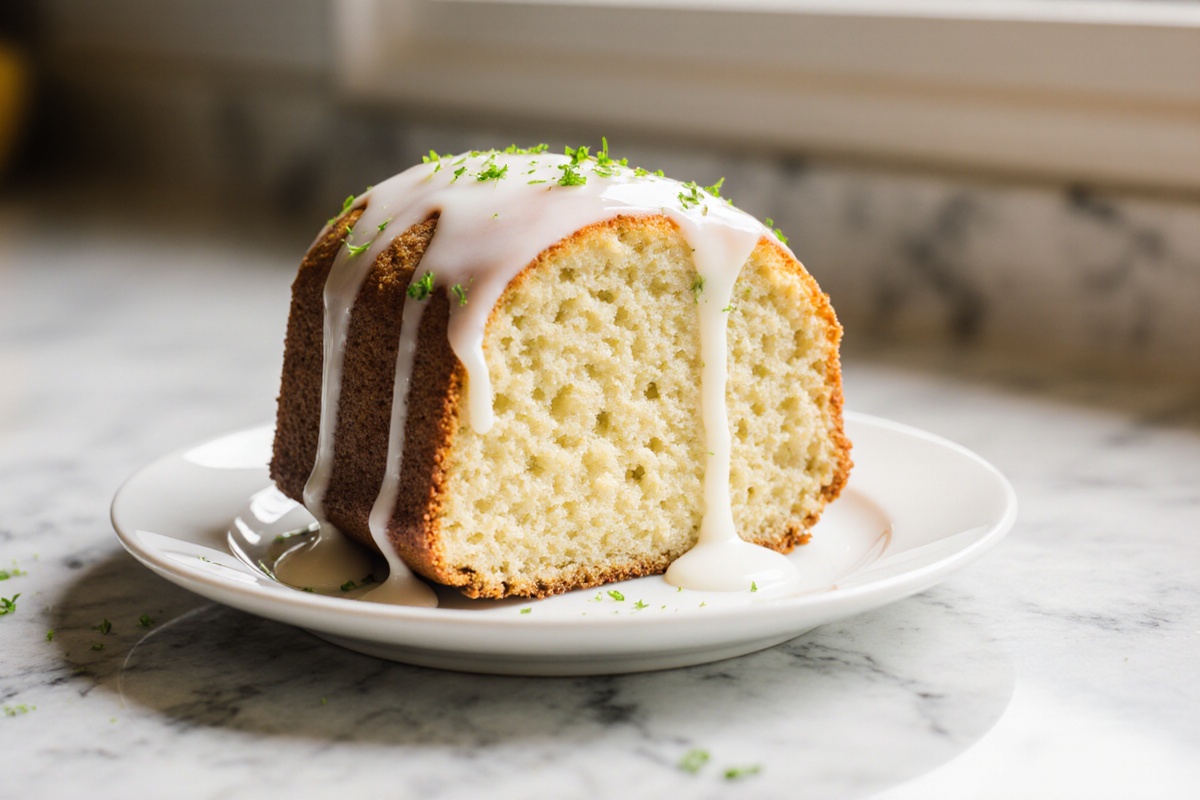
The final Key Lime Pound Cake is a beautiful sight to behold, its light golden crust glistening with a refreshing glaze that is equally enticing. When you cut into it, the tender crumb will reveal a bright, citrusy aroma that fills your kitchen with sunshine. Each bite is a delightful balance of rich butter and zesty lime that keeps drawing you back for more. I encourage you to give this recipe a try – you might be surprised how simple and satisfying it can be on a busy weeknight.