
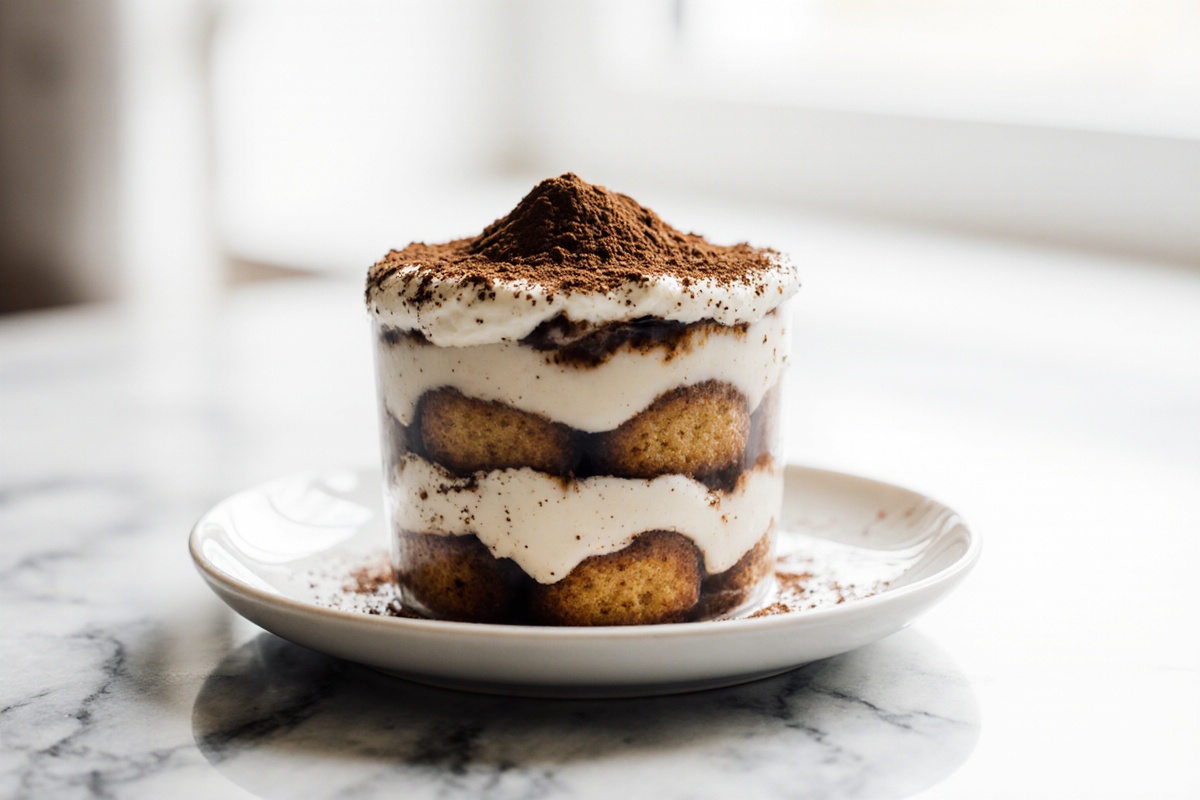
Coquito Tiramisu has always been one of those desserts I thought I could only make for special occasions, but that was before I simplified the process. I’ve landed on a version that’s perfect for busy weeknights, combining creamy coconut sweetness with coffee’s bold flavors. The steps are easy, and you won’t need a dozen different bowls. Just mix, layer, chill, and you’re ready to impress. I think once you make this, it’ll quickly become a go-to dessert in your home, too.
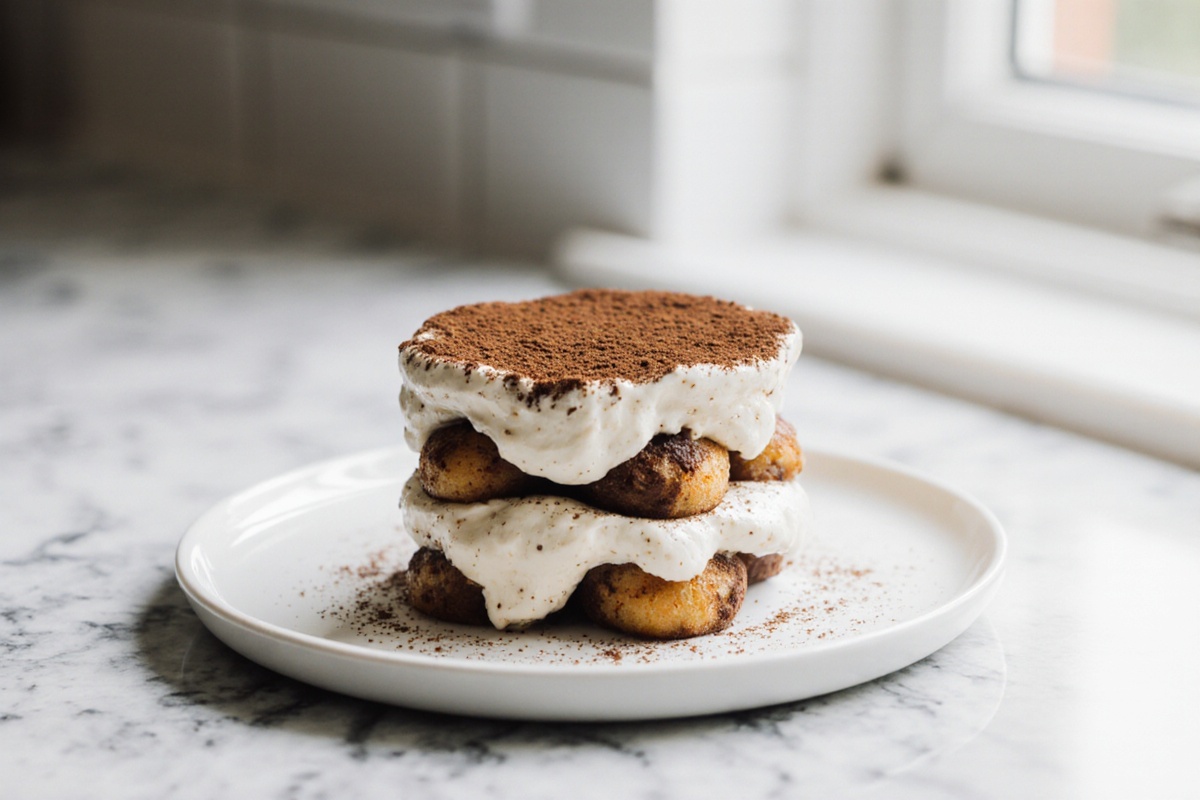
Recipe Card – Coquito Tiramisu
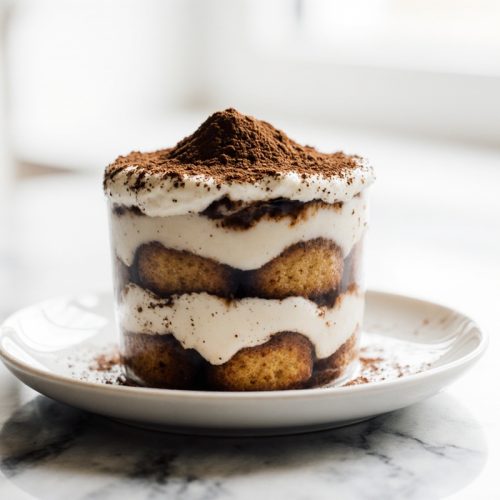
Coquito Tiramisu
Equipment
- Mixing Bowl
- Whisk
- Dish for layering
Ingredients
Ingredients
- 500 g Mascarpone
- 100 g Sugar adjust to taste
- 250 ml Whipped cream
- 200 ml Coquito or to taste
- 250 ml Strong espresso cooled
- 200 g Ladyfingers
- 30 g Cocoa powder for dusting
Instructions
- In a mixing bowl, whisk together the mascarpone and sugar until smooth.
- Fold in the whipped cream gently to maintain airiness.
- Gradually stream in the Coquito, tasting to ensure the flavor is balanced.
- Brew strong espresso and allow to cool, optionally adding a splash of Coquito.
- Dip the ladyfingers in the espresso briefly (1-2 seconds) to moisten.
- In a dish, spread a layer of mascarpone cream and add a layer of coffee-dipped ladyfingers.
- Repeat layering with remaining cream and ladyfingers for 2-3 layers total.
- Finish with a top layer of mascarpone and dust with cocoa powder.
- Cover and refrigerate for at least 4 hours or overnight before serving.
Notes
What is Coquito Tiramisu?
The Blend of Coquito and Tiramisu
Coquito Tiramisu is a fun mix of Puerto Rico’s creamy coconut liqueur with Italy’s famous coffee-flavored dessert. This delightful combination brings together the tropical taste of Coquito with its coconut, cinnamon, vanilla, and rum, and pairs it with espresso-soaked mascarpone and light ladyfingers. You should aim for a silky and cool texture, with distinct yet cohesive layers that hold up when you slice into it. In my experience, the Coquito gives a nice sweetness and lingering spice, while the coffee sharpens the overall flavor. If you prefer a milder drink, feel free to reduce the alcohol or leave it out completely. I learned early on that striking the right balance is essential—don’t let the liqueur overshadow the mascarpone. Remember to chill it for at least 4 hours in the fridge, or even better, overnight, so the flavors mingle beautifully. A light dusting of cocoa or shaved chocolate on top really enhances the aroma and look. Trust me, you’ll want to make this finishing touch!
Traditional Ingredients Explained
A traditional tiramisu has mascarpone, eggs or a safe custard base, sugar, espresso-soaked ladyfingers, and cocoa powder. In Coquito Tiramisu, these staples come together with a Puerto Rican coconut-spiced mix: Coquito (a blend of coconut milk or cream, sweetened condensed milk, vanilla, cinnamon, and rum) is used to flavor the cream and sometimes to lightly moisten the cookies. The result is a creamy, coffee-flavored dessert warmed by tropical notes. If you’re worried about using raw eggs, you can try pasteurized eggs or a stabilized mascarpone-cream method. This maintains the structure while still giving you that rich, melt-in-your-mouth experience. The key ingredients harmonize to offer a balanced bite: vibrant coffee, creamy mascarpone, a hint of coconut sweetness, and a gentle touch of spice. It’s a comforting twist on a classic.
How to Make Coquito Tiramisu
Step-by-Step Instructions
First, let’s prepare the Coquito mascarpone cream: in a bowl, whisk together the mascarpone and sugar until smooth, then fold in the whipped cream gently. Gradually stream in the Coquito, tasting as you go, until the flavor feels right but not too strong. Brew some strong espresso and allow it to cool; if you like, you can add a little splash of Coquito for even more flavor harmony. Briefly dip the ladyfingers in the espresso—1 to 2 seconds on each side is plenty; you want them damp, not soggy. In a dish, spread a layer of the mascarpone cream, place a layer of coffee-dipped ladyfingers on top, and repeat until you’ve built 2 to 3 layers. Finish with a top layer of mascarpone and a good dusting of cocoa. Cover and refrigerate for 4 to 6 hours, or overnight, before serving. If you’re still concerned about raw eggs, just use pasteurized eggs or a no-egg alternative. Slice and enjoy chilled!
Tips for Perfect Layers
Ensure your mascarpone and cream are at a comfy temperature for easy blending. Whip the cream to soft peaks and fold it in gently to keep some air in, then gradually add the Coquito to taste. Dip the cookies quickly—if you hold them in the espresso for longer than 2 seconds, they can become too soggy. Use a dish with straight sides to help create neat, even layers, and smooth the top with a spatula. Take your time chilling; a longer rest means richer flavor and firmer layers. If you stack in a clear dish, you’ll see the contrast between the pale mascarpone and dark coffee layers, which is quite appealing. For the best presentation, dust cocoa evenly just before serving.
Common Mistakes and Solutions
If your Coquito Tiramisu turns out runny, you can fold in a bit more mascarpone and chill it longer to firm up. If the layers fall apart or look uneven, make sure they’ve had enough time in the fridge and that the cookies weren’t soaked for too long. If the coffee flavor seems weak, brew a stronger espresso next time or add a touch more Coquito to the cream. Keep the cookie soaking time to a maximum of 2 seconds, or they may get too mushy and messy. If you want even more coconut flavor, mix in a little extra Coquito or a pinch more cinnamon for that lovely aroma. Remember, balance is vital: the cream should taste lush and bright without overshadowing the coffee or coconut flavors.
Nutrition and Health Facts
Calories and Nutritional Breakdown
Calories per serving will change based on how big your portions are and the ingredients you choose. This dessert features dairy-rich mascarpone, cream, and coconut, making it quite indulgent. Including Coquito adds to the energy content if you keep it in. You’ll also get some calcium from the dairy and healthy fats from the coconut, but overall, it’s a treat. If you’re mindful of macros, aim for smaller servings and consider lighter dairy options or using less Coquito to fit your diet goals. For those mindful of sugar, adjust the sweetener to your liking, but remember sugar helps balance out the flavors.
Health Benefits and Considerations
Coconut-based dairy and fat can help you feel satisfied while giving that creamy texture we love in this dessert. Cinnamon and vanilla offer warm, comforting aromas that blend beautifully with coffee. However, this dessert contains dairy and alcohol, so enjoy it in moderation and consider any dietary needs. If you’re pregnant, lactose-intolerant, or avoiding alcohol, feel free to use non-alcoholic coconut creamer and dairy-free mascarpone to capture the spirit of Coquito Tiramisu without the alcohol. Safety first: handle eggs properly or choose pasteurized ones. Sensible portions help you enjoy the flavors without going overboard.
Variations and Serving Ideas
Regional and International Twists
If you’re looking to switch things up, you can replace part of the Coquito with a chocolate-orange liqueur for a citrus-chocolate flavor, or use Kahlúa for a stronger coffee taste. You could also add spices like cardamom or nutmeg for a festive touch or fold in a splash of pineapple juice for a refreshing kick. If you prefer a lighter version, cut back on Coquito and halve the sugar. For a dairy-free option, try using coconut cream and vegan mascarpone to keep that delicious coconut flavor intact.
Best Side Dishes and Garnishes
Pair Coquito Tiramisu with a simple side of fresh berries or a small salad to balance its richness. A crispy biscotti or almond cookies make a delightful addition for dipping. You can jazz it up with chocolate shavings, extra cocoa dusting, or toasted coconut flakes for that added tropical fragrance. A splash of espresso on the side brings out the coffee notes if you want a stronger finish. These little touches not only look great but also bring together textures and flavors that complement each other.
Video: Tiramisu in mason jar in 10 minutes, Grab & Go. No oven, No …
FAQ – Coquito Tiramisu
Can I make it without alcohol?
Yes. Omit the Coquito or replace it with a non-alcoholic coconut cream blend. You can still achieve a creamy, coconut-kissed mascarpone by increasing vanilla and a pinch of cinnamon, then adjust sweetness to taste. If using pasteurized eggs, you can maintain a classic texture without alcohol. The result will be a delicious, kid-friendly version that still captures the spirit of Coquito Tiramisu.
How long does it last?
Keep it refrigerated, covered, for about 4–6 days. The flavors will deepen over time, and the dessert tends to set further as it rests. If you’re using perishable components like fresh whipped cream, try to enjoy within a few days for the best texture. Do not freeze after assembling, as texture can change and become watery when thawed.
What cookies are best?
Savoiardi, or Italian ladyfingers, are the classic choice for tiramisu. If these aren’t available, a firm sponge cake or sponge finger biscuits can work as a substitute. Avoid soft, crumbly cookies that don’t hold up to soaking. The cookies should be sturdy enough to absorb coffee without turning to mush, so they maintain distinct layers and structure in the final dessert.
Conclusion
When you take a slice of Coquito Tiramisu, you’ll find those gorgeous layers, with a silky creaminess that feels like a hug. The aromas of coffee and coconut mingle delightfully, and the contrasting textures will have you coming back for more. It’s indulgent, yet surprisingly simple to make. I encourage you to give it a try – you might just be surprised at how quick and rewarding this recipe can be, even on a busy weeknight!